Is a Lease Buyout Worth It in 2026?
Used-car prices vs your lease residual decide whether buying out your lease is a brilliant move or a mediocre one.
Check the car you're reading about
Free VIN decode and recall check
Factory specs and open NHTSA recalls in seconds. No sign-up.
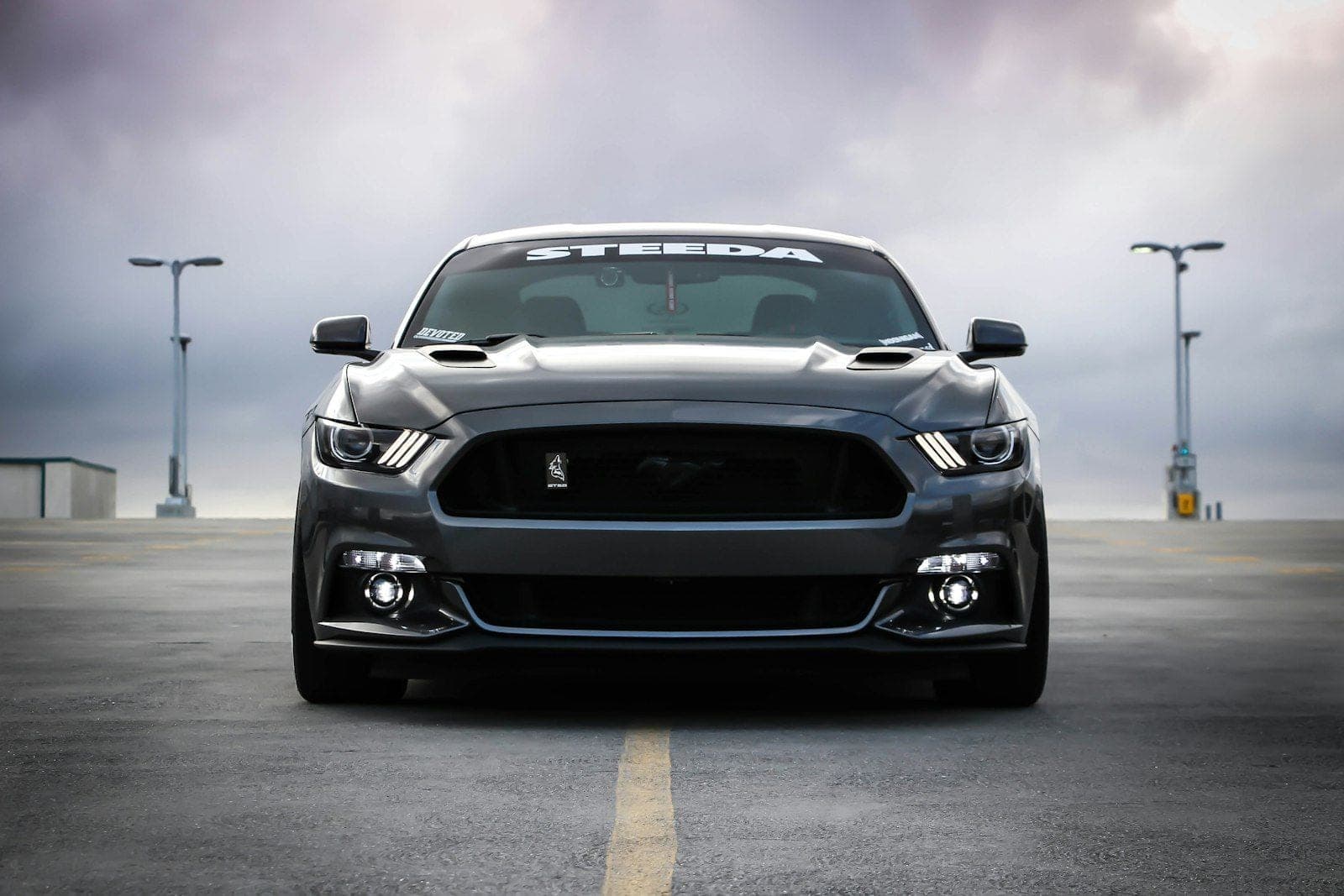
Your lease residual was set 36 months ago when nobody knew what 2026 used-car prices would look like. If your residual is significantly below current market value, your lease buyout is essentially a discounted private-party purchase of a car you already know inside and out. Here's how to figure out whether yours qualifies.
How Lease Residuals Are Set
A vehicle history report cuts through guesswork in seconds. Pulling a VIN check before you spend hours on a test drive lets you confirm reported mileage, ownership chain, title brand, accident records, and whether the vehicle has been declared a total loss in any state. The $7.99 spend has saved buyers from five-figure mistakes thousands of times — and at this point in the buying process there's no good reason to skip it.
Think about the 5-year picture, not the first month of ownership. The car that's $1,500 cheaper today but costs $4,000 more to maintain over 5 years isn't actually cheaper. The "boring" choice that holds resale value is often the smart financial choice. Buyers who optimize for the long term consistently end up with more money in their pockets — and ironically, just as much fun on the road.
In 2026, the used car market is in a different place than it was even two years ago. Inventory has loosened, off-lease vehicles are returning to dealer lots in large numbers, and average prices have softened from their pandemic peaks. That makes lease buyout worth it a more rewarding question to answer in 2026 than at almost any time in the last five years — but only if you know what to look for.
2026 Used-Car Market vs Residual
Reliability rankings come from real-world data: Consumer Reports surveys hundreds of thousands of owners, J.D. Power tracks problems per 100 vehicles, and forums like Bimmerforums or HondaTech compile owner-reported failure modes you won't find anywhere else. The picks above all carry above-average marks across multiple sources — single-source rankings are easy to game, but consensus across CR, J.D. Power, and owner forums is hard to fake.
When you compare brands head-to-head, the differences sharpen quickly. Toyota and Honda lead long-term reliability surveys but charge a premium upfront. Hyundai and Kia have closed the gap dramatically on quality while undercutting on price. Domestic brands like Ford and Chevrolet excel at trucks but lag in compact and mid-size segments. German brands deliver on driving feel but punish owners with maintenance costs. There is no "best" brand — only the best fit for your specific needs.
The Math: Buyout vs Open Market
When you compare brands head-to-head, the differences sharpen quickly. Toyota and Honda lead long-term reliability surveys but charge a premium upfront. Hyundai and Kia have closed the gap dramatically on quality while undercutting on price. Domestic brands like Ford and Chevrolet excel at trucks but lag in compact and mid-size segments. German brands deliver on driving feel but punish owners with maintenance costs. There is no "best" brand — only the best fit for your specific needs.
Reliability rankings come from real-world data: Consumer Reports surveys hundreds of thousands of owners, J.D. Power tracks problems per 100 vehicles, and forums like Bimmerforums or HondaTech compile owner-reported failure modes you won't find anywhere else. The picks above all carry above-average marks across multiple sources — single-source rankings are easy to game, but consensus across CR, J.D. Power, and owner forums is hard to fake.
Hidden Fees in a Lease Buyout
A vehicle history report cuts through guesswork in seconds. Pulling a VIN check before you spend hours on a test drive lets you confirm reported mileage, ownership chain, title brand, accident records, and whether the vehicle has been declared a total loss in any state. The $7.99 spend has saved buyers from five-figure mistakes thousands of times — and at this point in the buying process there's no good reason to skip it.
Think about the 5-year picture, not the first month of ownership. The car that's $1,500 cheaper today but costs $4,000 more to maintain over 5 years isn't actually cheaper. The "boring" choice that holds resale value is often the smart financial choice. Buyers who optimize for the long term consistently end up with more money in their pockets — and ironically, just as much fun on the road.
In 2026, the used car market is in a different place than it was even two years ago. Inventory has loosened, off-lease vehicles are returning to dealer lots in large numbers, and average prices have softened from their pandemic peaks. That makes lease buyout worth it a more rewarding question to answer in 2026 than at almost any time in the last five years — but only if you know what to look for.
Financing a Lease Buyout
Think about the 5-year picture, not the first month of ownership. The car that's $1,500 cheaper today but costs $4,000 more to maintain over 5 years isn't actually cheaper. The "boring" choice that holds resale value is often the smart financial choice. Buyers who optimize for the long term consistently end up with more money in their pockets — and ironically, just as much fun on the road.
In 2026, the used car market is in a different place than it was even two years ago. Inventory has loosened, off-lease vehicles are returning to dealer lots in large numbers, and average prices have softened from their pandemic peaks. That makes lease buyout worth it a more rewarding question to answer in 2026 than at almost any time in the last five years — but only if you know what to look for.
A vehicle history report cuts through guesswork in seconds. Pulling a VIN check before you spend hours on a test drive lets you confirm reported mileage, ownership chain, title brand, accident records, and whether the vehicle has been declared a total loss in any state. The $7.99 spend has saved buyers from five-figure mistakes thousands of times — and at this point in the buying process there's no good reason to skip it.
When to Walk Away From the Deal
Knowing when to walk away is the most underrated skill in car buying. There is always another car. Whatever's making your gut uneasy — pressure tactics, missing paperwork, an inspection finding the seller dismisses — is information. Trust it. The buyers who get burned are nearly always the ones who knew something was off but talked themselves into the deal anyway.
Sticker price tells you almost nothing about real ownership cost. Insurance, fuel, scheduled maintenance, and depreciation routinely add up to more than the purchase price over a 5-year hold. When you compare options, look at the total — not just the monthly payment. RepairPal averages, Kelley Blue Book 5-year cost-to-own data, and your own zip code's insurance quotes will paint a much fuller picture than any window sticker ever can.
Negotiation succeeds when you've done the homework everyone else skips. Know the model's market price range from KBB and Edmunds. Know what comparable cars are selling for in your zip code on AutoTrader. Know the dealer's invoice price (not just MSRP) on a new car or trade-in value on a used one. Walking in with that data turns a high-pressure sales pitch into a calm comparison conversation — and that's where the discount lives.
Final Thoughts
If your buyout price is more than $1,500 below current Kelley Blue Book private-party value for the same car, the math almost always favors buying. Run the VIN through a vehicle history report just to confirm the lease company hasn't documented anything you don't know about, and call multiple credit unions for the best buyout loan rate.
About the author
CarCheckerVIN Editorial Team
In-house automotive research team
The CarCheckerVIN editorial team combines decades of automotive industry, dealer, and journalism experience to produce trustworthy buying, selling, and ownership guidance backed by NMVTIS, NICB, and manufacturer data.
Keep reading

Consumers Auto Loan: How to Finance Your Next Car Without Getting Burned
A consumers auto loan is the single biggest variable in your car deal — bigger than the sticker price. Here's how to lock in the best rate before you ever step on a lot.
Oct 16, 2026 · 10 min read
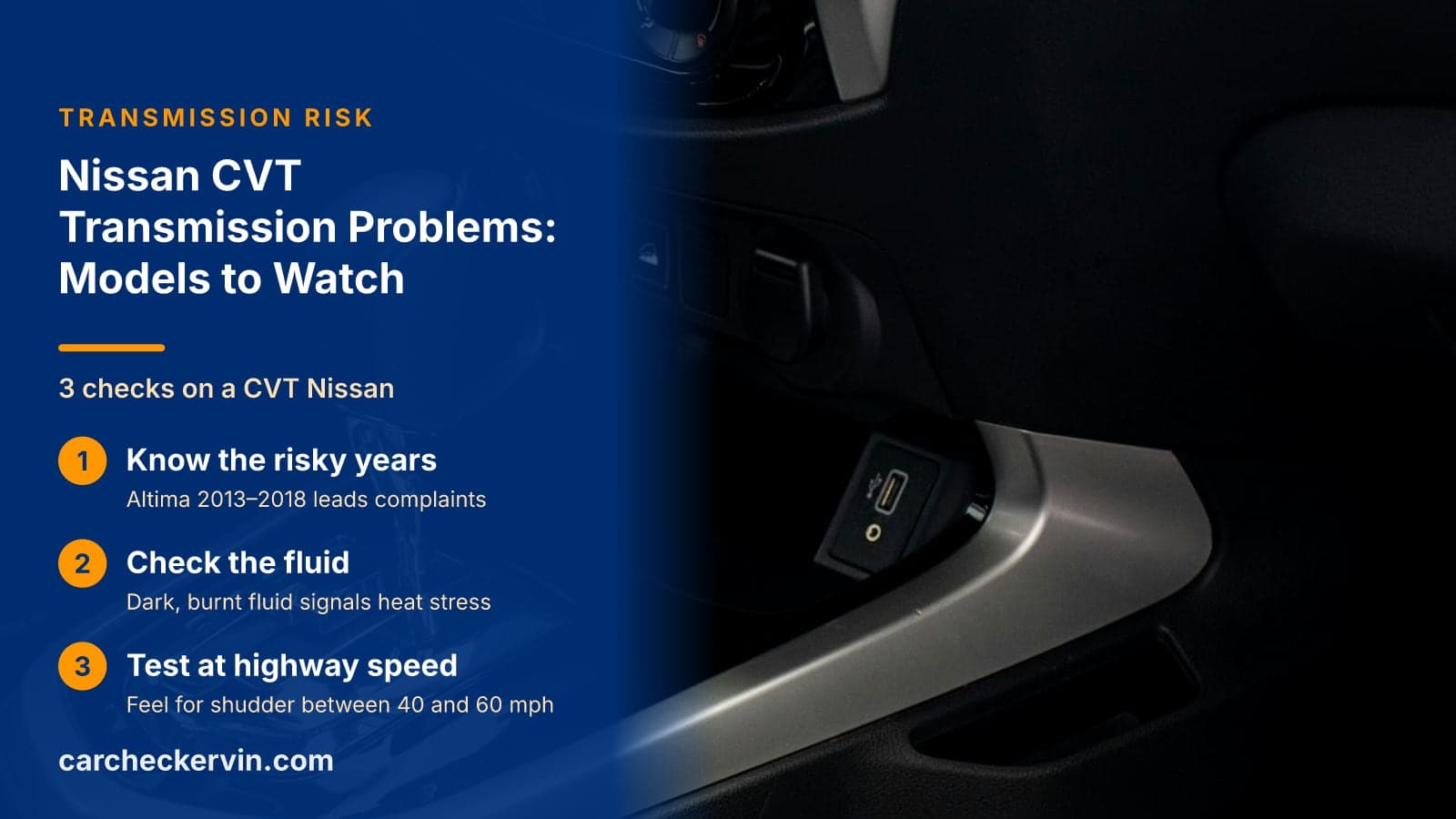
What Nissan Cars Have CVT Transmission Problems — And What to Do Before You Buy
CVT trouble is real across multiple Nissan models. Before you buy a used Altima, Sentra, or Rogue, know which years are risky, what repairs cost, and whether a Nissan CVT transmission recall covers it.
Oct 16, 2026 · 12 min read

Car Warranty Coverage: What You Actually Get and What to Watch Out For
Before you buy a used car or sign an extended warranty contract, know exactly what car warranty coverage includes, what it excludes, and which plans deliver real value.
Oct 15, 2026 · 11 min read