10 Used Car Fraud Warning Signs Every Buyer Should Know
From curbstoning to odometer fraud, here are the 10 warning signs that separate honest used-car deals from costly scams.
Check the car you're reading about
Free VIN decode and recall check
Factory specs and open NHTSA recalls in seconds. No sign-up.
On this page· 11
- Sign 1: The Price Is Significantly Below Market Value
- Sign 2: The Seller Refuses an Independent Pre-Purchase Inspection
- Sign 3: The Title Name Doesn't Match the Seller's ID (Curbstoning)
- Sign 4: Mileage Doesn't Match Service Records or Wear
- Sign 5: The VIN on the Dash Doesn't Match the Door Jamb
- Sign 6: Rebuilt or Salvage Title Disclosed Only Verbally
- Sign 7: Pressure to Pay With Wire, Crypto, or Gift Cards
- Sign 8: Vehicle History Report Provided by the Seller (Possibly Edited)
- Sign 9: Recent Paint or Mismatched Panels Hiding Damage
- Sign 10: The Deal Must Close Today
- Final Thoughts
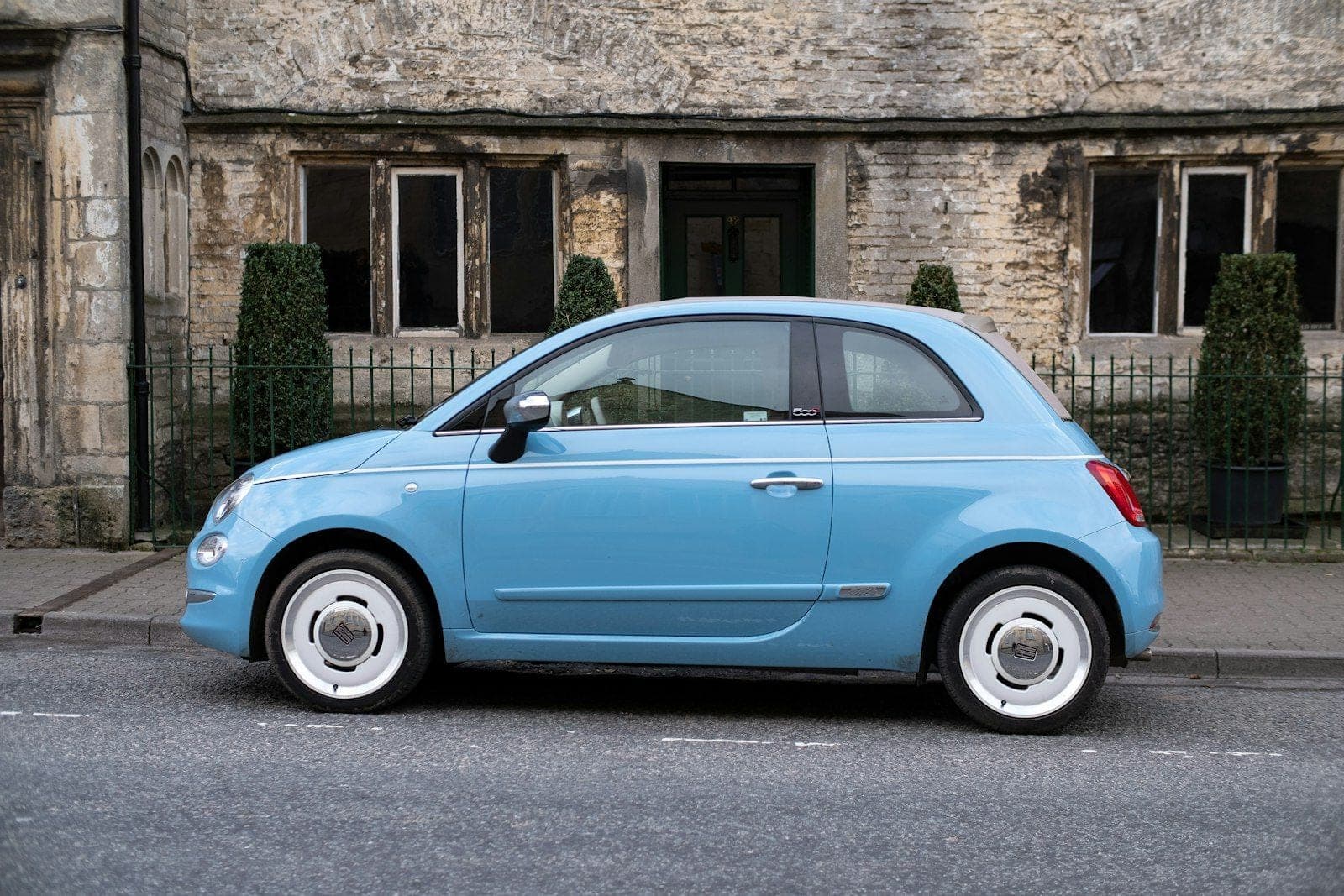
Used-car fraud cost American buyers more than $1.2 billion in 2025, and the FBI expects 2026 numbers to rise as online marketplaces grow faster than enforcement. Most scams aren't elaborate — they rely on hurried buyers who skip three or four basic verification steps. The 10 warning signs in this guide are the patterns investigators see in the vast majority of fraud cases, ranging from curbstoning and title washing to odometer rollbacks and outright stolen-vehicle resales. Memorize them before you click on your next listing.
Sign 1: The Price Is Significantly Below Market Value
Think about the 5-year picture, not the first month of ownership. The car that's $1,500 cheaper today but costs $4,000 more to maintain over 5 years isn't actually cheaper. The "boring" choice that holds resale value is often the smart financial choice. Buyers who optimize for the long term consistently end up with more money in their pockets — and ironically, just as much fun on the road.
Sticker price tells you almost nothing about real ownership cost. Insurance, fuel, scheduled maintenance, and depreciation routinely add up to more than the purchase price over a 5-year hold. When you compare options, look at the total — not just the monthly payment. RepairPal averages, Kelley Blue Book 5-year cost-to-own data, and your own zip code's insurance quotes will paint a much fuller picture than any window sticker ever can.
Negotiation succeeds when you've done the homework everyone else skips. Know the model's market price range from KBB and Edmunds. Know what comparable cars are selling for in your zip code on AutoTrader. Know the dealer's invoice price (not just MSRP) on a new car or trade-in value on a used one. Walking in with that data turns a high-pressure sales pitch into a calm comparison conversation — and that's where the discount lives.
Sign 2: The Seller Refuses an Independent Pre-Purchase Inspection
Before you commit to anything, run through a simple inspection routine. Walk the car from front to back. Check tire wear patterns (cupping or feathering points to alignment or suspension issues). Open the hood and look at the engine bay for oil leaks, corroded battery terminals, and aftermarket wiring that could indicate a poorly executed repair. Inside, sit in every seat, test every switch, and pay close attention to dashboard warning lights when you cycle the ignition.
There are a few non-negotiable red flags worth memorizing. Mismatched paint between adjacent panels usually means collision repair. A musty interior smell almost always means water intrusion at some point. Uneven panel gaps suggest frame work. And any seller who refuses to share the VIN before you visit — or insists on a quick cash-only deal — has something to hide. Trust your instincts and walk away when something doesn't add up.
A vehicle history report cuts through guesswork in seconds. Pulling a VIN check before you spend hours on a test drive lets you confirm reported mileage, ownership chain, title brand, accident records, and whether the vehicle has been declared a total loss in any state. The $7.99 spend has saved buyers from five-figure mistakes thousands of times — and at this point in the buying process there's no good reason to skip it.
Sign 3: The Title Name Doesn't Match the Seller's ID (Curbstoning)
A vehicle history report cuts through guesswork in seconds. Pulling a VIN check before you spend hours on a test drive lets you confirm reported mileage, ownership chain, title brand, accident records, and whether the vehicle has been declared a total loss in any state. The $7.99 spend has saved buyers from five-figure mistakes thousands of times — and at this point in the buying process there's no good reason to skip it.
The paperwork that protects you most: signed bill of sale (with VIN, mileage, and price), original title (signed over by the seller), proof of any active liens being released, current registration, emissions certificate if your state requires one, and a receipt for any deposit. Take photos of all of it before you drive away. If the seller can't produce the title, do not buy the car — period.
No title, no deal
Never buy a car if the seller can't produce a clean original title in their name (or has a documented bonded-title process underway). Bills of sale alone do not transfer ownership — and recovering from this mistake can cost months and thousands of dollars.
Sign 4: Mileage Doesn't Match Service Records or Wear
If you're handy enough to swap your own oil, you can probably handle 80% of routine maintenance: brake pads, air filters, cabin filters, spark plugs, and basic fluid changes. The savings add up — DIY oil changes alone save $40–$80 per service over a quick-lube shop, and brake jobs save $300–$600 per axle. YouTube has a video for nearly every common job on every common car, and the tools you need pay for themselves on the first or second job.
Sticker price tells you almost nothing about real ownership cost. Insurance, fuel, scheduled maintenance, and depreciation routinely add up to more than the purchase price over a 5-year hold. When you compare options, look at the total — not just the monthly payment. RepairPal averages, Kelley Blue Book 5-year cost-to-own data, and your own zip code's insurance quotes will paint a much fuller picture than any window sticker ever can.
Sign 5: The VIN on the Dash Doesn't Match the Door Jamb
In 2026, the used car market is in a different place than it was even two years ago. Inventory has loosened, off-lease vehicles are returning to dealer lots in large numbers, and average prices have softened from their pandemic peaks. That makes used car fraud warning signs a more rewarding question to answer in 2026 than at almost any time in the last five years — but only if you know what to look for.
A vehicle history report cuts through guesswork in seconds. Pulling a VIN check before you spend hours on a test drive lets you confirm reported mileage, ownership chain, title brand, accident records, and whether the vehicle has been declared a total loss in any state. The $7.99 spend has saved buyers from five-figure mistakes thousands of times — and at this point in the buying process there's no good reason to skip it.
Think about the 5-year picture, not the first month of ownership. The car that's $1,500 cheaper today but costs $4,000 more to maintain over 5 years isn't actually cheaper. The "boring" choice that holds resale value is often the smart financial choice. Buyers who optimize for the long term consistently end up with more money in their pockets — and ironically, just as much fun on the road.
Sign 6: Rebuilt or Salvage Title Disclosed Only Verbally
The paperwork that protects you most: signed bill of sale (with VIN, mileage, and price), original title (signed over by the seller), proof of any active liens being released, current registration, emissions certificate if your state requires one, and a receipt for any deposit. Take photos of all of it before you drive away. If the seller can't produce the title, do not buy the car — period.
A vehicle history report cuts through guesswork in seconds. Pulling a VIN check before you spend hours on a test drive lets you confirm reported mileage, ownership chain, title brand, accident records, and whether the vehicle has been declared a total loss in any state. The $7.99 spend has saved buyers from five-figure mistakes thousands of times — and at this point in the buying process there's no good reason to skip it.
No title, no deal
Never buy a car if the seller can't produce a clean original title in their name (or has a documented bonded-title process underway). Bills of sale alone do not transfer ownership — and recovering from this mistake can cost months and thousands of dollars.
Sign 7: Pressure to Pay With Wire, Crypto, or Gift Cards
Think about the 5-year picture, not the first month of ownership. The car that's $1,500 cheaper today but costs $4,000 more to maintain over 5 years isn't actually cheaper. The "boring" choice that holds resale value is often the smart financial choice. Buyers who optimize for the long term consistently end up with more money in their pockets — and ironically, just as much fun on the road.
In 2026, the used car market is in a different place than it was even two years ago. Inventory has loosened, off-lease vehicles are returning to dealer lots in large numbers, and average prices have softened from their pandemic peaks. That makes used car fraud warning signs a more rewarding question to answer in 2026 than at almost any time in the last five years — but only if you know what to look for.
A vehicle history report cuts through guesswork in seconds. Pulling a VIN check before you spend hours on a test drive lets you confirm reported mileage, ownership chain, title brand, accident records, and whether the vehicle has been declared a total loss in any state. The $7.99 spend has saved buyers from five-figure mistakes thousands of times — and at this point in the buying process there's no good reason to skip it.
Sign 8: Vehicle History Report Provided by the Seller (Possibly Edited)
In 2026, the used car market is in a different place than it was even two years ago. Inventory has loosened, off-lease vehicles are returning to dealer lots in large numbers, and average prices have softened from their pandemic peaks. That makes used car fraud warning signs a more rewarding question to answer in 2026 than at almost any time in the last five years — but only if you know what to look for.
A vehicle history report cuts through guesswork in seconds. Pulling a VIN check before you spend hours on a test drive lets you confirm reported mileage, ownership chain, title brand, accident records, and whether the vehicle has been declared a total loss in any state. The $7.99 spend has saved buyers from five-figure mistakes thousands of times — and at this point in the buying process there's no good reason to skip it.
Think about the 5-year picture, not the first month of ownership. The car that's $1,500 cheaper today but costs $4,000 more to maintain over 5 years isn't actually cheaper. The "boring" choice that holds resale value is often the smart financial choice. Buyers who optimize for the long term consistently end up with more money in their pockets — and ironically, just as much fun on the road.
Sign 9: Recent Paint or Mismatched Panels Hiding Damage
A vehicle history report cuts through guesswork in seconds. Pulling a VIN check before you spend hours on a test drive lets you confirm reported mileage, ownership chain, title brand, accident records, and whether the vehicle has been declared a total loss in any state. The $7.99 spend has saved buyers from five-figure mistakes thousands of times — and at this point in the buying process there's no good reason to skip it.
Think about the 5-year picture, not the first month of ownership. The car that's $1,500 cheaper today but costs $4,000 more to maintain over 5 years isn't actually cheaper. The "boring" choice that holds resale value is often the smart financial choice. Buyers who optimize for the long term consistently end up with more money in their pockets — and ironically, just as much fun on the road.
In 2026, the used car market is in a different place than it was even two years ago. Inventory has loosened, off-lease vehicles are returning to dealer lots in large numbers, and average prices have softened from their pandemic peaks. That makes used car fraud warning signs a more rewarding question to answer in 2026 than at almost any time in the last five years — but only if you know what to look for.
Sign 10: The Deal Must Close Today
Think about the 5-year picture, not the first month of ownership. The car that's $1,500 cheaper today but costs $4,000 more to maintain over 5 years isn't actually cheaper. The "boring" choice that holds resale value is often the smart financial choice. Buyers who optimize for the long term consistently end up with more money in their pockets — and ironically, just as much fun on the road.
Sticker price tells you almost nothing about real ownership cost. Insurance, fuel, scheduled maintenance, and depreciation routinely add up to more than the purchase price over a 5-year hold. When you compare options, look at the total — not just the monthly payment. RepairPal averages, Kelley Blue Book 5-year cost-to-own data, and your own zip code's insurance quotes will paint a much fuller picture than any window sticker ever can.
Negotiation succeeds when you've done the homework everyone else skips. Know the model's market price range from KBB and Edmunds. Know what comparable cars are selling for in your zip code on AutoTrader. Know the dealer's invoice price (not just MSRP) on a new car or trade-in value on a used one. Walking in with that data turns a high-pressure sales pitch into a calm comparison conversation — and that's where the discount lives.
Final Thoughts
If a used car triggers two or more of these warning signs, walk away — there will always be another listing. Slow the process down, insist on a pre-purchase inspection, verify the seller's ID against the title, and never wire money to anyone you haven't met. The single best defense is a comprehensive VIN history report you pull yourself, not one the seller hands you. Run any VIN through CarCheckerVIN to instantly cross-check ownership, accidents, title brands, and theft records before you commit a dollar.
About the author
CarCheckerVIN Editorial Team
In-house automotive research team
The CarCheckerVIN editorial team combines decades of automotive industry, dealer, and journalism experience to produce trustworthy buying, selling, and ownership guidance backed by NMVTIS, NICB, and manufacturer data.
See more of our guides on Google
Add CarCheckerVIN as a preferred source and Google will show our guides more often in your results.

Keep reading
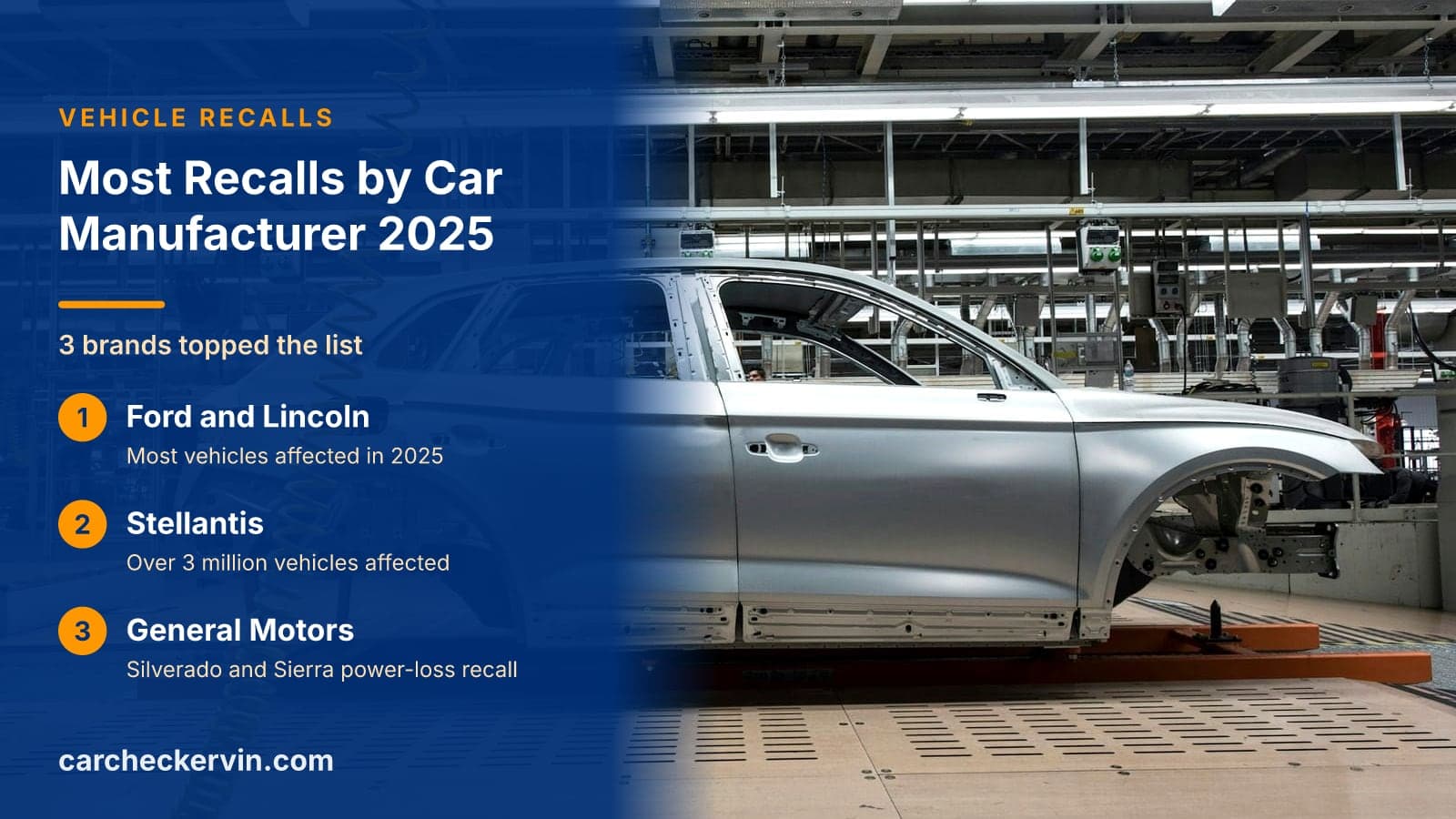
Most Recalls By Car Manufacturer 2025: Which Brands Put Buyers at Risk
Recall volume varies wildly by brand. Before buying used, know which manufacturers topped NHTSA's 2025 recall lists — and what that means for your wallet and safety.
Oct 6, 2026 · 10 min read
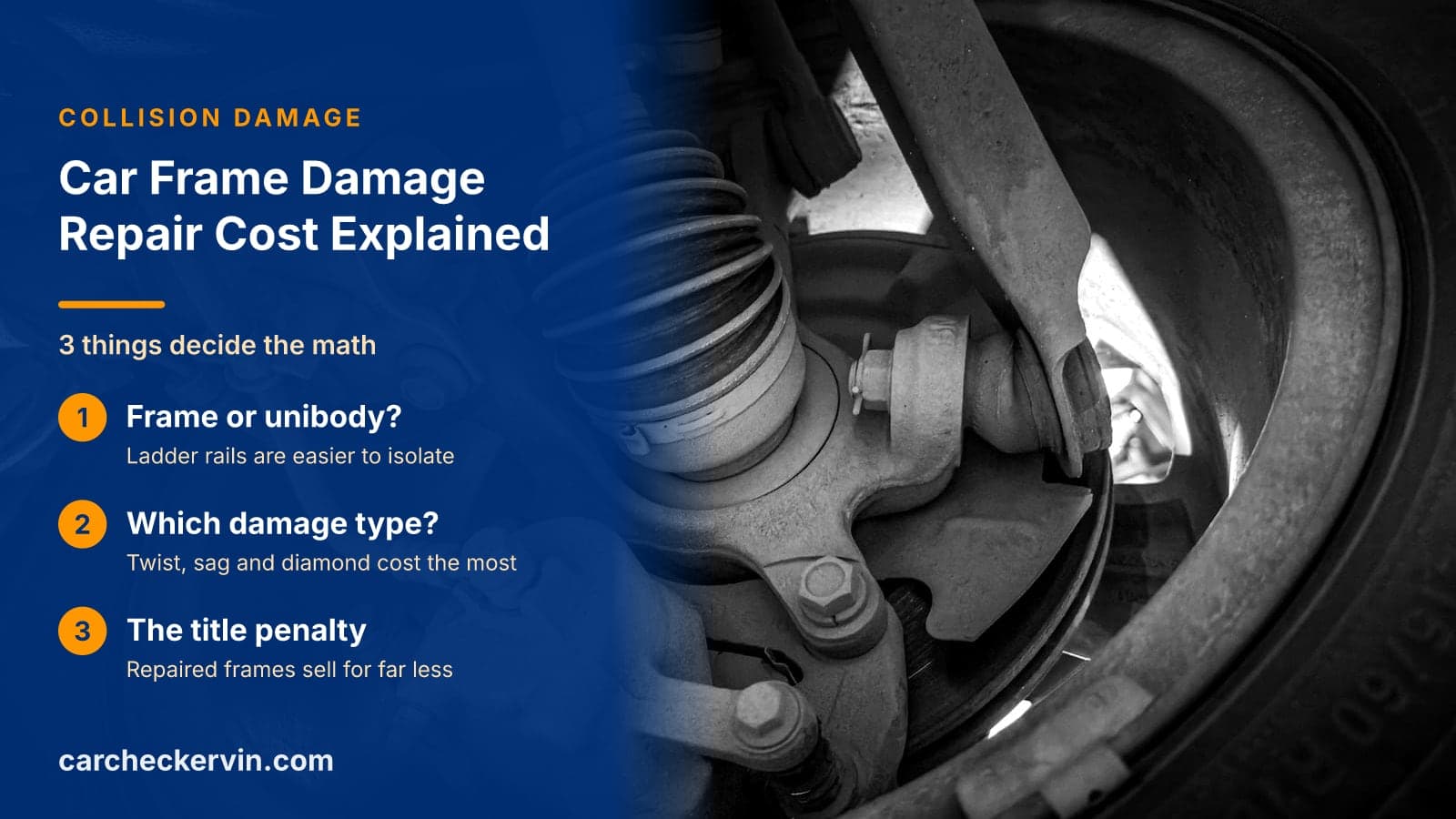
Car Frame Damage Repair Cost: What Buyers and Owners Actually Pay
Frame damage can turn a promising used-car deal into a money pit. Here is what repairs actually cost, which damage types are fixable, and when the math says walk away.
Sep 30, 2026 · 11 min read
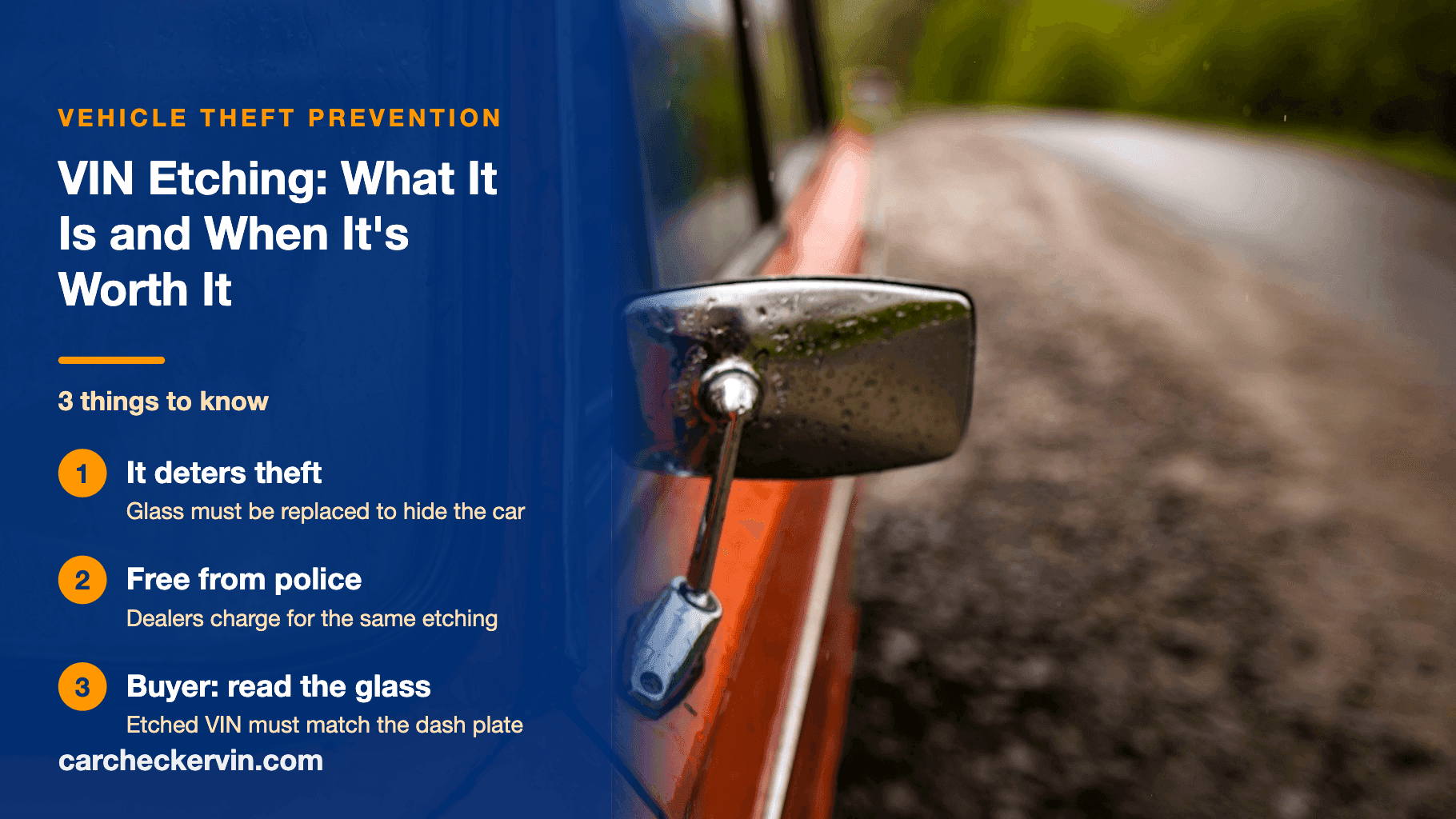
VIN Etching: What It Is, How It Works, and When It's Worth Paying For
VIN etching engraves your car's 17-character VIN into its window glass so a thief can't resell the car or its parts without replacing every pane. It's a real deterrent, it's often free, and it's also one of the most marked-up add-ons on a dealer's menu. Here's how to tell the two apart.
Sep 16, 2026 · 10 min read