RV VIN Check: What to Look for Before Buying a Used Motorhome
A used motorhome can be a dream purchase or a six-figure nightmare. Running an rv vin check buying decision through the right filters separates the two outcomes fast.
On this page
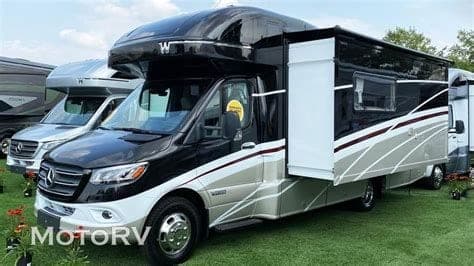
You found a 2017 Class A diesel pusher listed for thirty grand under book value. The photos look great, the seller swears it was barely used, and you're already imagining yourself parked at Glacier National Park with a cold drink. Before you wire a deposit, pause. Recreational vehicles are uniquely prone to hidden damage, title washing, and creative odometer storytelling. Running an rv vin check before buying is the single cheapest insurance policy you'll ever purchase — and skipping it is one of the most expensive mistakes you can make.
60-second answer
Every used RV purchase should start with a VIN-based history report that covers title brands, accident records, flood damage, odometer readings, and lien status. The motorhome VIN is typically on the driver-side dash or the federal certification label inside the entry door — decode it before you even schedule a viewing.
Why RVs Need a Different Kind of Scrutiny
Cars sit in driveways. Motorhomes sit in fields, storage lots, and coastal campgrounds where salt air, humidity, and rodents do slow, invisible work for months at a time. A passenger car with a clean Carfax might genuinely be clean. A motorhome with a clean history report might still have delaminating sidewalls, a leaking roof membrane, or a generator with four times the hours the seller claims. The used rv history you pull from a VIN check is the starting point, not the finish line — but without that starting point, you're negotiating blindfolded.
RVs also have a unique title-branding problem. Because they're registered and insured in wildly different ways across states — some as vehicles, some almost as trailers — a motorhome that was declared a total loss in Florida can resurface with a clean title in a state with lax inspection requirements. The NMVTIS (National Motor Vehicle Title Information System) was built partly to combat this, and any credible VIN report pulls from that federal database. If the report you're reading doesn't mention NMVTIS, find one that does.
Where to Find the VIN on a Motorhome
This sounds obvious until you're standing in front of a 38-foot Class A and realize there might be more than one identification number on the thing. Motorhomes are built on a chassis manufactured by one company — Ford, Freightliner, Spartan — and then completed by the coachbuilder: Tiffin, Winnebago, Thor, Newmar, and so on. The chassis VIN is the legal vehicle identification number, and it's the one you need for your rv vin check when buying. You'll find it in the usual spots: lower driver-side windshield and the driver-side door jamb or B-pillar area. The coachbuilder may also affix a separate serial number inside the entry door or on the federal certification label, but that secondary number is for warranty and parts purposes — it won't pull a title history.
- Chassis VIN (17 characters): This is your primary lookup number. It ties to the title, registration, and any NHTSA recall records.
- Coachbuilder serial number: Useful for warranty claims and ordering parts, but won't return results in NMVTIS or most history-report databases.
- HIN (Hull Identification Number): Only relevant if the RV has an integrated boat trailer or amphibious setup — rare, but it exists.
What a Proper RV VIN Report Should Reveal
Not all VIN reports are created equal, and some bargain-bin services return little more than the year, make, and model you already knew. When you run a motorhome VIN through a quality report — like the ones available on our vin-check page — you want confirmation on several critical data points.
- Title brand history across all 50 states: Look for salvage, rebuilt, flood, junk, or lemon-law brands. A title that's been reissued in multiple states in a short time is a red flag for title washing.
- Odometer readings at every title transfer: The 'low-mileage' claim is the oldest trick in the book. If the mileage dropped between two consecutive title events, someone rolled it back or a clerical 'error' was suspiciously convenient.
- Insurance total-loss records: Even if the title was never branded, a VIN report that pulls from insurance-industry databases (Carfax and AutoCheck both do this) may show the unit was totaled. Copart and IAA auction records are particularly telling — if your dream coach crossed a salvage auction block, you want to know why.
- Lien status: Motorhomes are expensive, and sellers sometimes list units they haven't finished paying off. An outstanding lien means you could buy the RV and still not legally own it.
- NHTSA recall history: Class A coaches have had major recalls for everything from steering-gear failure to propane-system leaks. The VIN will tell you whether open recalls exist and whether they were completed.
Flood Damage: The RV Buyer's Worst Enemy
Every hurricane season sends thousands of motorhomes to salvage yards, and a disturbing number of them resurface on Facebook Marketplace and Craigslist three to six months later with suspiciously new carpet and a fresh coat of enthusiasm from the seller. Flood damage in an RV is catastrophic. Water infiltrates wiring harnesses routed through the floor, corrodes chassis components hidden behind cabinetry, and breeds mold inside wall cavities that are essentially impossible to remediate. NICB's VINCheck tool — free for two lookups per day — can flag flood-branded titles, and it's worth cross-referencing with a paid report.
Hurricane-zone listings deserve extra scrutiny
If the RV was registered in a Gulf Coast or Atlantic seaboard state during a major storm season, run the VIN through both NICB's free tool and a paid history report. Title washing is most common with flood vehicles because the damage can be cosmetically hidden. Smell the interior. Pull up carpet edges. Check every 12-volt connection under the coach for green corrosion.
The Class A RV Check: Chassis-Specific Concerns
A class a rv check involves considerations that don't apply to smaller travel trailers or campervans. Class A motorhomes ride on heavy-duty commercial chassis, often with air-brake systems, air-ride suspensions, and diesel engines that have their own maintenance histories. The VIN decode will tell you whether you're looking at a Ford F-53 gas chassis, a Freightliner XC, or a Spartan K2 — and that matters because repair costs vary enormously. A blown air-ride bag on a Spartan chassis is a different financial conversation than a leaf-spring replacement on a Ford.
Beyond the VIN report, a class a rv check should include pulling service records from the chassis manufacturer's dealer network. Freightliner's ServicePoint system, for instance, can sometimes surface warranty repairs tied to the VIN that won't appear in a standard history report. Ask the seller for these records, and if they can't produce them, call the nearest authorized chassis service center with the VIN in hand.
What the VIN Won't Tell You (and What Fills the Gap)
A VIN report is essential, but it's not omniscient. It won't show you a slow roof leak that's been quietly delaminating the rear wall for two years. It won't flag a generator that's been run on cheap gas for 4,000 hours. It won't reveal that the slide-out seals are cracked and weeping. That's why an rv vin check before buying should always be paired with a physical inspection by a certified NRVIA (National RV Inspectors Association) or RVDA technician. A good RV inspector charges between $400 and $800 depending on the coach size — a rounding error on a $90,000 purchase.
- Roof membrane condition: Rubber roofs need resealing every few years. Peel back edge capping and check for soft spots.
- Slide-out mechanisms and seals: Cycle every slide fully in and out. Listen for grinding, watch for uneven movement.
- Generator hours vs. engine miles: A healthy ratio is roughly one generator hour for every eight to ten engine miles. A disproportionately high generator-hour count suggests the coach sat stationary for extended periods — often at tailgates or job sites — which means heavy electrical-system wear.
Negotiating With the VIN Report in Hand
Here's where the modest cost of a VIN check pays for itself many times over. Sellers price to optimism; buyers should price to evidence. If the used rv history shows a prior insurance claim, a title reissue in a different state, or an odometer discrepancy, you now have documented leverage. You're not accusing anyone of anything — you're simply noting that the report raises questions, and questions have a dollar value. KBB and NADA Guides publish RV values that assume a clean history; any blemish justifies a discount, and a serious one justifies walking away.
One more thing worth mentioning: private-party RV sales are generally sold as-is under the FTC's Used Vehicle Rule, which primarily covers dealers. If you're buying from a private seller, you have even less legal recourse after the sale — which makes pre-purchase due diligence not just smart, but your only real protection.
What to do next
Before you schedule a viewing, test drive, or inspection, run the motorhome's chassis VIN through a comprehensive history report on our vin-check page. It takes two minutes, costs less than a campground night, and can save you from a purchase you'd spend years regretting. Pair the report with a professional inspection, and you'll negotiate from a position of knowledge — which is the only position worth negotiating from.
CarCheckerVIN Editorial Team
In-house automotive research team
The CarCheckerVIN editorial team combines decades of automotive industry, dealer, and journalism experience to produce trustworthy buying, selling, and ownership guidance backed by NMVTIS, NICB, and manufacturer data.
Ready to check a VIN?
Run a free VIN check
Decode any vehicle in under 60 seconds.