Electric Vehicle VIN History: Battery Health, Recalls, and Charging Faults Explained
A used EV's VIN history tells you things a test drive never will — battery swaps, open recalls, charging system faults, and whether it spent time on a salvage lot. Here's how to read it.
On this page
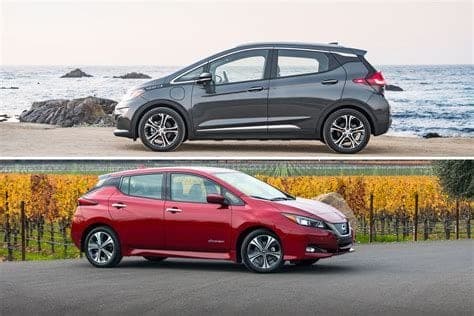
You've found a used Tesla Model 3, a Chevy Bolt, or maybe a Hyundai Ioniq 5 at what looks like a fantastic price. The seller swears the battery is healthy, the range is great, and there are "no issues." Sounds familiar, right? The problem is that electric vehicles hide their skeletons differently than gas cars. There's no engine knock to listen for, no transmission shudder to feel. The real story lives in the electric vehicle VIN history — a paper trail that tracks battery service events, recall compliance, charging system fault codes, and whether that bargain EV was once declared a total loss after a fender-bender that cracked the battery enclosure. If you're doing any serious used EV buying, this is the report you read before you hand over a deposit.
60-second answer
Running an electric vehicle VIN history report surfaces battery replacements, open NHTSA recalls, charging-related fault records, and title brands like salvage or flood — all of which directly affect an EV's safety, range, and resale value. Do it before the test drive, not after.
Why EV History Reports Are Different from ICE Reports
A traditional VIN check on a gas-powered car focuses on odometer rollbacks, accident damage, and title washing. Those things still matter for EVs, but the highest-value information is unique to electric drivetrains. Battery packs are the single most expensive component in any EV — often 30 to 50 percent of the vehicle's total value. A pack replacement on a Tesla Model S can run north of $15,000 even at independent shops. On a Rivian R1T, you might be looking at $20,000-plus. A VIN history that shows a battery swap tells you either the original pack failed (a red flag about thermal management or charging habits) or it was replaced under warranty (which is better, but still worth understanding). Either way, you want to know before you negotiate.
Charging faults are the other EV-specific landmine. Repeated DC fast-charging errors, onboard charger replacements, and high-voltage interlock faults all show up in service records tied to the VIN. These aren't cosmetic problems. A vehicle that can't reliably fast-charge is, for many buyers, fundamentally broken. And unlike a squeaky belt, you won't catch this on a twenty-minute test drive around the block.
What a Battery Health VIN Check Actually Reveals
When people search for battery health VIN information, they're usually hoping for a state-of-health percentage — the kind of number you'd see on a diagnostic tool like an OBD-II scanner paired with an app such as LeafSpy or Recurrent. A standard VIN history report doesn't give you that exact percentage, but it does give you something arguably more useful: the service and event history that tells you why the battery might be degraded.
- Battery pack replacements or module-level repairs logged at dealerships or authorized service centers.
- Thermal management system service events — coolant leaks, pump replacements, or software updates related to battery temperature control.
- Title brands indicating flood damage, which is catastrophic for lithium-ion packs even if the car looks dry and clean today.
- Auction records from Copart or IAA showing the vehicle was declared a total loss, sometimes because battery repair costs exceeded the car's value.
A VIN check through our vin-check page pulls from data sources including NMVTIS, insurance records, and auction histories. Pair that with an in-person diagnostic scan and you've got a reasonably complete picture. Skip either half and you're guessing — which is an expensive hobby when batteries are involved.
EV Recalls: More Common Than You Think
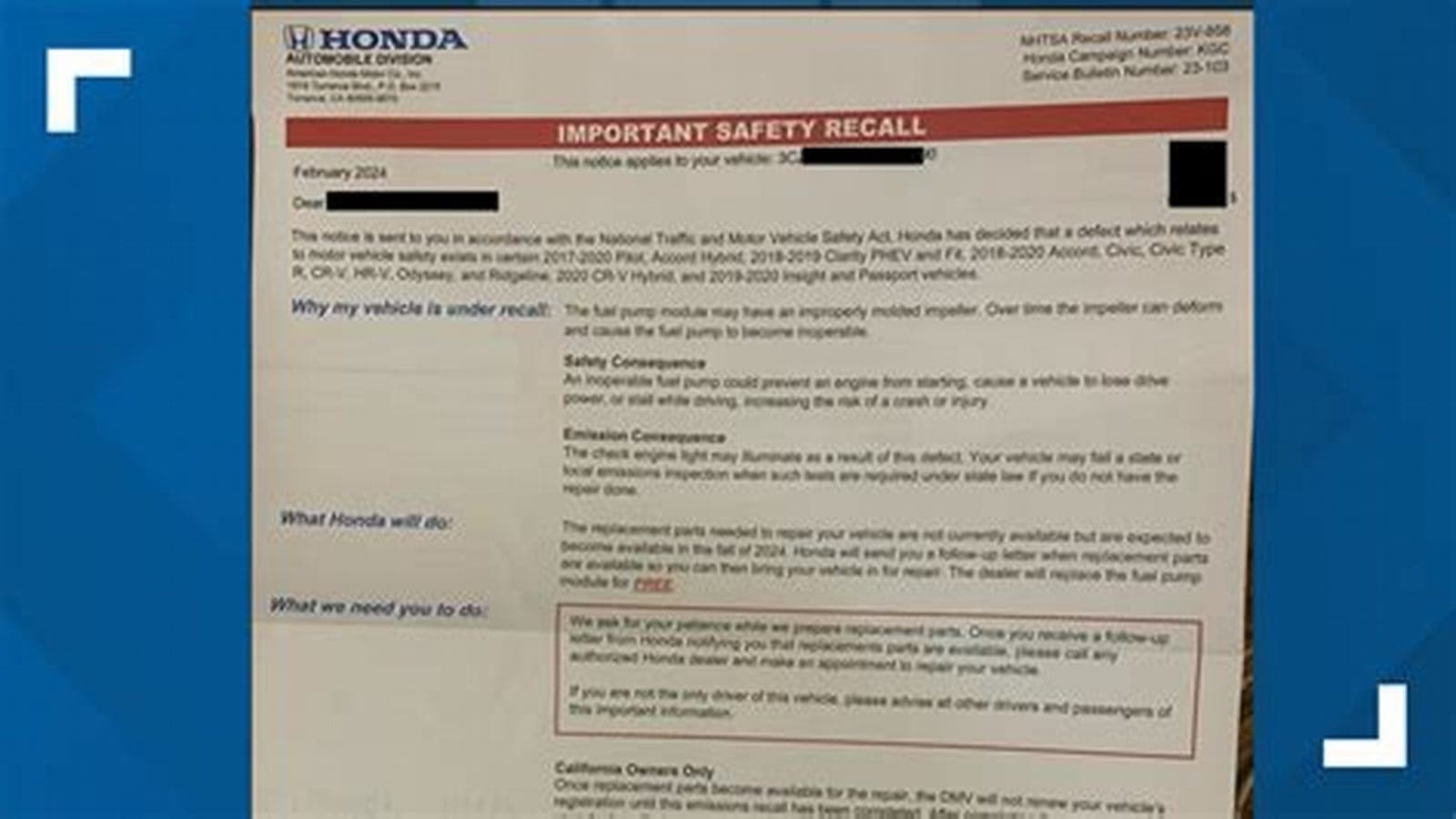
Here's a stat that surprises people: NHTSA issued more than 60 EV-related recall campaigns in 2023 alone, covering everything from battery fire risks to software glitches that disabled regenerative braking. The Chevy Bolt's massive battery recall — affecting roughly 140,000 vehicles — became a case study in how a recall can crater resale value and leave owners stranded for months waiting for replacement modules. An ev recall check through NHTSA's own database is free, but it only tells you whether a recall exists, not whether it was actually completed on the specific car you're looking at.
That completion status is where a VIN history report earns its keep. Knowing that a 2020 Bolt has an open, unperformed battery recall versus a completed one is the difference between a decent buy and a potential garage fire. Not to be dramatic, but GM literally told owners to park those cars outside and away from structures. That's not the kind of detail a seller volunteers at a coffee-shop meetup.
Flood-damaged EVs are entering the market
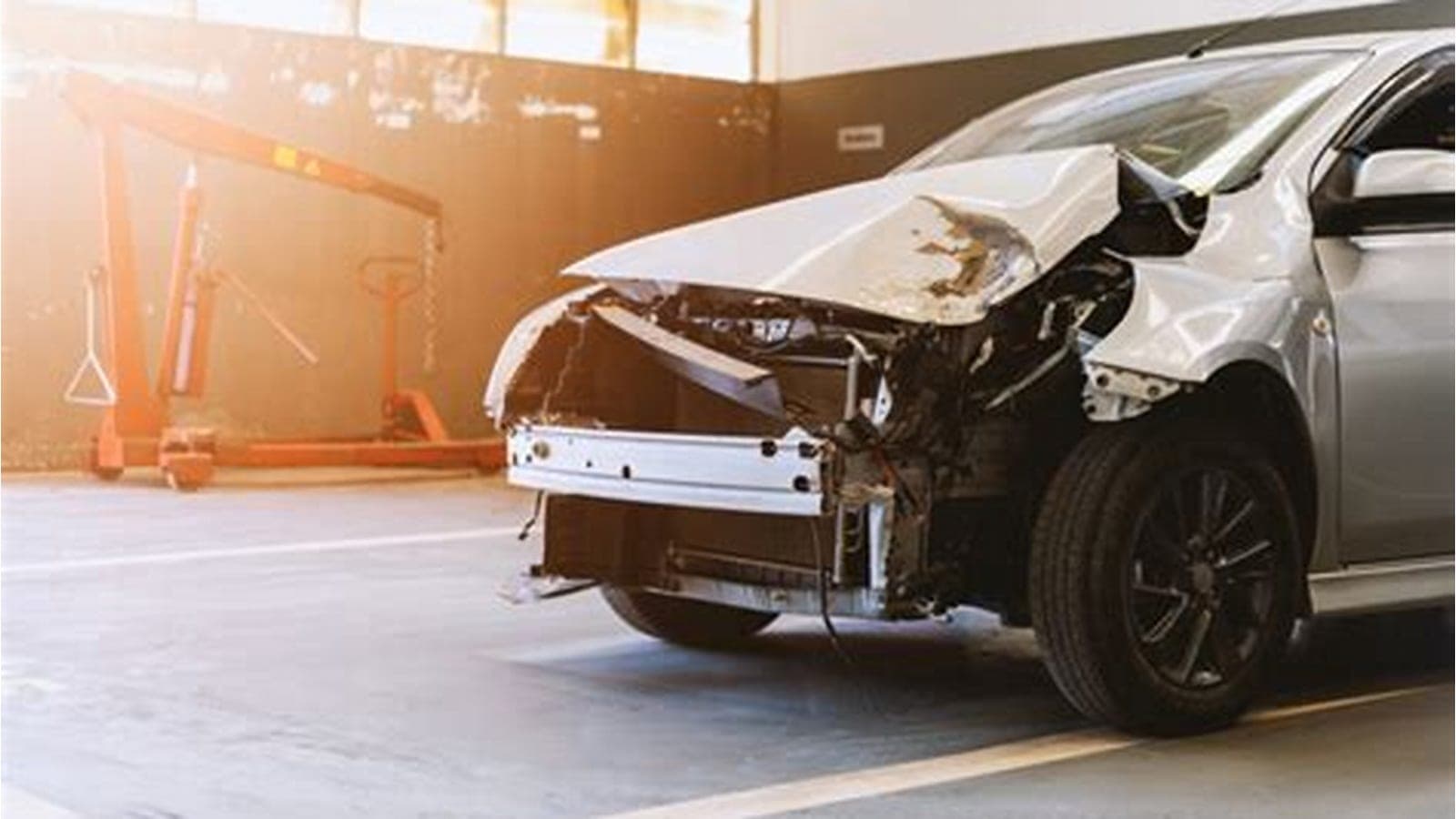
After major hurricanes and flooding events, salvage EVs get title-washed through lenient states and resold. Water intrusion into a high-voltage battery pack can cause delayed thermal runaway — a fire that starts weeks or months after the event. NICB's VINCheck tool and a full VIN history report are your best defenses against buying one of these vehicles unknowingly.
Charging Faults: The Quiet Deal-Killer
A gasoline car that won't take fuel is obviously broken. An EV with intermittent charging faults is sneakier — it might charge fine on a Level 2 home charger but fail every time you plug into a DC fast charger, or vice versa. Onboard charger failures, CCS inlet issues, and battery management system (BMS) software bugs are all documented in service records. If you're buying a used EV and the seller says "I only ever charged at home, so I'm not sure about fast charging" — that's not reassurance, that's a gap in the test data. Treat it accordingly.
Some charging faults also trigger recalls. Ford issued a stop-sale on certain Mach-E models over concerns about DC fast-charging and high-voltage battery contactors. Tesla has pushed multiple over-the-air updates to address charge-rate throttling tied to battery thermal issues. These events are traceable through the VIN. If the vehicle received the relevant software update or hardware fix, the record should reflect it.
How to Run a Proper Used EV VIN Check
The process isn't complicated, but it does have a specific order that maximizes your leverage as a buyer. Do these steps before you agree to any price.
- Get the 17-digit VIN from the seller — dashboard, door jamb, or listing photo. If the seller won't provide it, walk away. That's not caution; it's a signal.
- Run a full VIN history report through a service like our vin-check tool. Look for title brands, battery service records, accident history, and auction appearances.
- Cross-reference the VIN on NHTSA's recall lookup at nhtsa.gov. Note any open recalls and whether they've been completed.
- Check NICB's free VINCheck for theft and salvage records — it's a quick secondary screen that catches some things other databases miss.
- Bring the vehicle to a shop or use a diagnostic app (like Recurrent for Tesla, or A Better Routeplanner's battery comparison data) to get a current state-of-health reading. Compare that against what the service history suggests.
The 'Low-Mileage' Lie, EV Edition
The "low-mileage" pitch is the oldest trick in the used-car playbook, and it's even more misleading with EVs. A Nissan Leaf with 25,000 miles that spent four years baking in a Phoenix driveway can have worse battery degradation than a Tesla Model 3 with 80,000 highway miles in a temperate climate. Mileage alone tells you almost nothing about an EV's most important component. What matters is the charging pattern (frequent DC fast charging accelerates degradation), climate exposure, and whether the battery thermal management system actually worked as designed. The VIN history won't tell you the weather, but it will show you where the car was registered, whether it spent time in extreme-climate states, and how many owners it had — all context clues that feed into a smarter buying decision.
What Resale Platforms and Dealers Often Leave Out
Carvana, Vroom, and franchise dealers all provide some level of vehicle history with their listings. But those summaries are curated. They'll mention a clean title and a passed inspection. They may not highlight that the car had a battery module replaced at 18,000 miles, or that it sat on a Copart lot for two months before being purchased and reconditioned. That's not necessarily malicious — it's just not their job to be your advocate. It's yours. Running an independent VIN history, separate from whatever the seller provides, is basic due diligence. Check our pricing page to see what a report costs — it's a rounding error compared to a battery replacement bill.
What to do next
Before you schedule a test drive on any used EV, run the VIN through our vin-check tool to surface battery service events, open recalls, title brands, and charging-related repairs. Pair the report with an in-person diagnostic scan and you'll know more about that car's true condition than most dealers do.
CarCheckerVIN Editorial Team
In-house automotive research team
The CarCheckerVIN editorial team combines decades of automotive industry, dealer, and journalism experience to produce trustworthy buying, selling, and ownership guidance backed by NMVTIS, NICB, and manufacturer data.
Ready to check a VIN?
Run a free VIN check
Decode any vehicle in under 60 seconds.