Impound History by VIN: What You Should Know Before Buying a Former Tow Yard Car
A car that spent time in a tow yard isn't automatically a bad buy — but the reasons it ended up there matter enormously. Here's how to check impound history by VIN before you commit.
On this page
- Why Cars Get Impounded in the First Place
- What Impound Vehicle VIN History Actually Shows You
- The Real Risks of Buying a Former Impounded Vehicle
- How to Check Impound History Step by Step
- Government and Police Auction Cars: Bargains or Traps?
- When Impound History Shouldn't Scare You Off
- Pricing a Vehicle With Impound History
You found a deal that looks almost too good. The price is right, the mileage seems reasonable, and the seller is eager to close. Then you spot a detail buried in the listing — or worse, you don't spot it at all — the vehicle was once impounded. Maybe it sat in a municipal tow yard for weeks. Maybe it was seized in connection with a crime. Maybe the previous owner simply walked away. Whatever the backstory, a car with impound history deserves extra scrutiny before you hand over a check. The question isn't whether impound history exists; it's what that history actually means for the vehicle sitting in front of you right now.
60-second answer
Run the VIN through a vehicle history report and check NMVTIS-sourced data before buying any car you suspect was impounded. An impound record alone doesn't kill a deal, but it can signal hidden title problems, unresolved liens, or neglect-related mechanical damage that will cost you far more than the discount you're getting.
Why Cars Get Impounded in the First Place
There's no single reason a vehicle ends up behind a chain-link fence at the city lot. Law enforcement agencies impound cars for everything from unpaid parking tickets to DUI arrests to evidence holds in criminal investigations. Municipalities tow abandoned vehicles off public roads. Finance companies repossess cars when borrowers default. And sometimes a vehicle is simply left at a repair shop long enough that the shop exercises a mechanic's lien and sends it to auction. The reason matters because it tells you something about how the car was treated — and, more importantly, whether the title is clean.
- Law enforcement seizure — drug forfeitures, DUI holds, or evidence in criminal cases. Title may carry a police-hold flag until the case is resolved.
- Abandoned vehicle — left on a public road or private property beyond the state-mandated grace period. Title may have been reissued through an abandoned vehicle VIN process, which can create gaps in ownership history.
- Parking or traffic violations — accumulated tickets triggered a tow. Usually the least concerning reason, but storage fees can exceed the car's value, prompting owners to walk away.
- Repossession — lender-initiated seizure for loan default. The car itself may be fine mechanically, but lien status needs verification.
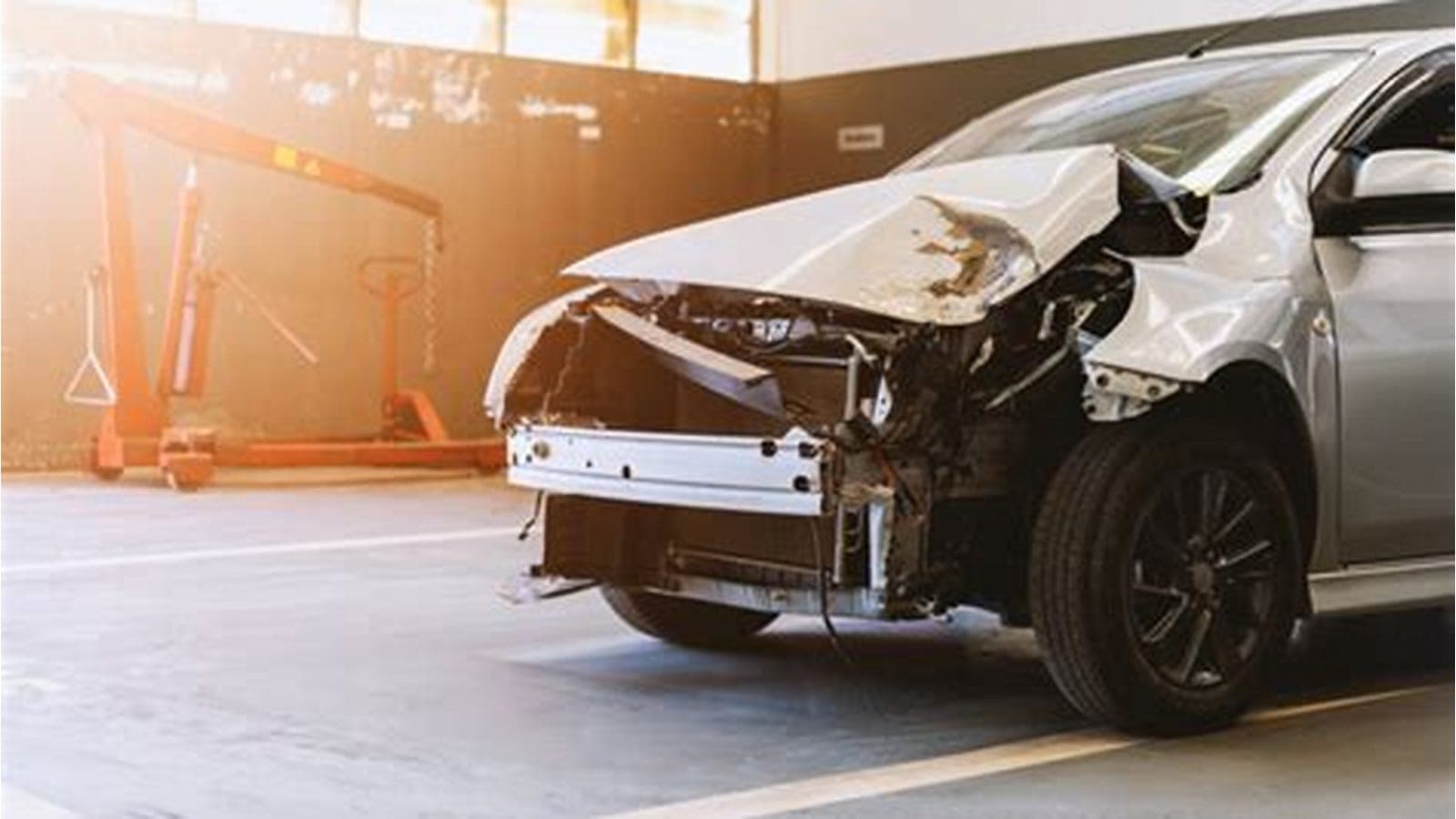
- Accident-related tow — the vehicle was undrivable after a crash and towed to a yard. Potential for hidden structural damage.
What Impound Vehicle VIN History Actually Shows You
When you pull a vehicle history report using the VIN, impound-related events can surface in several ways. You might see a "police-reported incident" notation, a title reissue flagged as an abandoned vehicle VIN recovery, or an auction record from a government surplus sale. Platforms that draw from NMVTIS — the National Motor Vehicle Title Information System maintained by the U.S. Department of Justice — are your best starting point because NMVTIS aggregates data from state DMVs, insurers, and salvage yards. A quick VIN check on our vin-check page queries these databases so you're not flying blind.
That said, no single database captures every tow yard car event nationwide. Municipal impound lots don't always report to NMVTIS directly, and smaller tow operations may not report at all. This is why a VIN check is necessary but not always sufficient — you still need to verify the physical title, run a lien check, and inspect the vehicle. Think of the VIN report as the metal detector; you still have to dig.
The Real Risks of Buying a Former Impounded Vehicle
Let's be honest: the car itself doesn't know it was impounded. The engine doesn't care whether it was parked in your driveway or a police lot. The risks aren't mystical — they're practical. A vehicle that sat outdoors in a tow yard for months may have flat-spotted tires, a dead battery that damaged the charging system, rodent damage to wiring harnesses, or rust in the brake rotors that goes deeper than surface patina. In humid climates, mold can colonize the interior fast enough to make remediation more expensive than the car is worth.
Then there's the paperwork side. An impounded vehicle sometimes gets sold at a lien-sale auction before the previous owner's loan is fully satisfied. If the lien wasn't properly discharged — and this happens more often than you'd think — you could inherit a debt that follows the VIN, not the person. Some states require a bonded title for vehicles with murky provenance, which means you'll be posting a surety bond worth 1.5 times the car's value just to register it. That "great deal" stops feeling so great around the time you're on hold with the surety company.
How to Check Impound History Step by Step
- Run the VIN through a comprehensive vehicle history report. Look for police-reported events, title reissues, auction records from government or insurance surplus sales, and any junk or salvage branding. Our vin-check tool pulls NMVTIS data along with other sources to surface these flags.
- Contact the state DMV where the vehicle is currently titled. Ask whether the title is clean, bonded, or branded — and whether any liens are recorded. Some states let you do this online for free; others charge a small fee.
- Search the NICB's free VINCheck tool at nicb.org. It flags vehicles reported as stolen or salvaged by insurers, which can overlap with impound history if the car was seized and never reclaimed.
- Request documentation from the seller. If the car was sold at a government or police auction, the seller should have the auction purchase receipt, a release-of-lien letter, and a clear bill of sale. No paperwork? That's a red flag the size of a highway billboard.
- Get a pre-purchase inspection from an independent mechanic, focusing on storage-related damage: corroded brake components, dried-out seals, pest damage, and fluid contamination from sitting.
Government and Police Auction Cars: Bargains or Traps?
Police auctions have developed an almost mythical reputation among bargain hunters. The pitch goes something like this: "seized from criminals, barely driven, sold for pennies on the dollar." Reality is less cinematic. Most vehicles at government surplus auctions are former fleet cars, abandoned vehicles, or tow yard cars that nobody claimed within the statutory holding period. They're sold as-is, usually with no warranty and sometimes with no test drive. Auction houses like Copart and IAA handle a portion of these sales online, and you can occasionally find decent vehicles — but the competition from professional flippers is fierce, and the no-return policy means your due diligence has to happen before the gavel falls.
Watch for title washing
Some impounded or abandoned vehicles receive salvage or rebuilt titles in one state, then get re-titled in a more lenient state to "wash" the branding away. This is illegal under federal law (the Anti Car Theft Act), but it still happens. Always check the VIN across multiple states and look for title reissues in the vehicle history report. If the car was titled in three states in two years, ask yourself whether the previous owners were just restless — or hiding something.
When Impound History Shouldn't Scare You Off
Not every impound record is a deal-breaker. A car that was towed for unpaid parking tickets and reclaimed by its owner a week later is a very different proposition from one that sat in a field for 18 months after being abandoned. If the title is clean, the mechanical inspection checks out, and you can verify continuous insurance and registration history without suspicious gaps, the impound notation is just a footnote. Plenty of perfectly good cars get towed every day for reasons that have nothing to do with the vehicle's condition. The key is context — and context comes from data, not from the seller's verbal assurances. "Trust me, it runs great" is not a diagnostic tool.
Pricing a Vehicle With Impound History
If you decide the car is mechanically sound and the title is clean, impound history can still be a legitimate negotiation lever. Buyers rightfully perceive these vehicles as higher risk, and that perception affects resale value whether or not the risk is real. Check KBB or Edmunds for the baseline private-party value, then apply a discount of 10 to 20 percent depending on how long the vehicle was impounded and whether any title branding exists. If the seller bought the car at a police auction for a fraction of retail, they're already working with healthy margins — don't feel guilty about negotiating hard.
What to do next
Before you commit to any vehicle you suspect was impounded, run the VIN through our vin-check page to pull NMVTIS records, title history, and auction data. Pair that with a NICB stolen-vehicle check and a hands-on pre-purchase inspection. Fifteen minutes of research now can save you thousands in hidden liens, bonded-title fees, or storage-damaged parts down the road.
CarCheckerVIN Editorial Team
In-house automotive research team
The CarCheckerVIN editorial team combines decades of automotive industry, dealer, and journalism experience to produce trustworthy buying, selling, and ownership guidance backed by NMVTIS, NICB, and manufacturer data.
Ready to check a VIN?
Run a free VIN check
Decode any vehicle in under 60 seconds.