Flood-Damaged Car Red Flags: 10 Signs You Can Spot Before It's Too Late
Flood cars get cleaned up and resold every hurricane season. Here are 10 flood damaged car signs you can catch yourself — before you're stuck with someone else's waterlogged nightmare.
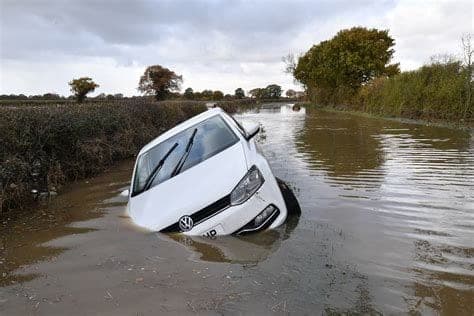
Every major hurricane or tropical storm sends a wave of flood-damaged vehicles into the used-car market. NICB estimated that Hurricane Ian alone submerged over 358,000 vehicles in 2022. Many of those cars don't end up in a junkyard — they get dried out, detailed, and shipped to a dealer lot three states away where nobody remembers the storm. If you're shopping for a used car right now, especially a suspiciously well-priced one, you need to know the flood damaged car signs that even a decent detail job can't fully hide.
60-second answer
Flood-damaged cars leave telltale clues: musty odors, silt in hidden crevices, corroded electronics, and foggy headlamps. Always run a flood VIN check through NMVTIS-linked services before buying — a clean exterior means nothing if the car spent three days in brackish water.
Why Flood Cars Keep Showing Up on Dealer Lots
Here's the uncomfortable truth: title-washing is still remarkably easy. A car that receives a flood title — sometimes called a salvage or water-damage brand — in one state can be re-registered in another state that doesn't carry the brand forward. The FTC has pushed for stronger disclosure rules, and NMVTIS is supposed to close these gaps, but enforcement is uneven. Sellers know this. They buy flooded cars at Copart or IAA auctions for pennies on the dollar, invest a few hundred in cosmetic cleanup, and list them at near-retail prices. That 'low-mileage' gem you found online for $4,000 below KBB? Ask yourself why.
The 10 Flood Damaged Car Signs You Should Never Ignore
Some of these checks take ten seconds. Others require getting on your hands and knees with a flashlight. All of them are worth doing before you hand over a cashier's check.
- A musty or mildew smell inside the cabin, especially after the car has been closed up. Sellers will douse the interior with air freshener — if a car smells like a Bath & Body Works outlet, that itself is a red flag.
- Silt, dirt, or dried mud in places nobody would normally clean: under the dashboard, inside the glovebox hinges, behind seat-rail tracks, and in the spare-tire well. Water deposits fine sediment everywhere it touches.
- Mismatched or brand-new carpet and upholstery in an otherwise older vehicle. Replacing the carpet is cheaper than explaining a waterline stain.
- Fogged or moisture-trapped headlamps and taillights. Sealed lens housings trap moisture after submersion, and condensation lines are hard to fully eliminate without replacing the assemblies.
- Rust or corrosion on metal components that shouldn't be rusty yet — seat-mounting bolts, door-hinge pins, trunk-lid springs, and unpainted brackets under the hood. Surface rust on a three-year-old car is a story that doesn't add up.
- Electrical gremlins: flickering dash lights, intermittent power-window operation, malfunctioning infotainment screens, or warning lights that won't clear. Saltwater and wiring harnesses are not friends.
- A water damage car often has corrosion on exposed wiring connectors and fuse-box terminals. Pop the fuse panel cover and look for green or white oxidation — it's one of the hardest signs to clean away.
- Brittle or discolored rubber gaskets around doors, the trunk, and the hood. Prolonged submersion degrades rubber seals and leaves them stiff or chalky.
- Unusual staining patterns on the interior — check the lower portions of seat fabric, door panels, and the headliner attachment points. Water wicks upward, and bleach or dye can only do so much.
- A title history with gaps, state-to-state transfers in quick succession, or a salvage or flood title brand that was later 'cleared.' This is where a flood VIN check pays for itself many times over.
The Nose Knows — But the VIN Tells the Whole Story
Your senses can catch plenty of water damage car indicators, but a physical inspection alone isn't foolproof. A well-funded flipper can replace carpet, swap headlights, and even re-wire portions of the harness. What they can't easily erase is the vehicle's paper trail. Insurance companies report total-loss flood claims to NMVTIS, and auction houses like Copart and IAA log the condition at sale. Running a VIN check through our tool at the vin-check page pulls from these databases and flags flood titles, salvage brands, and suspicious ownership chains — the kind of history a seller conveniently forgets to mention.
Title washing is real — and legal gaps still exist
Not every state carries a flood title brand forward when a vehicle is re-registered. According to NICB, states vary widely in how they handle branded titles from other jurisdictions. A car branded 'flood' in Florida can sometimes receive a clean title in a state with weaker branding laws. Always check the full title history through an NMVTIS-linked report, not just the current title the seller hands you.
Where Flood Cars Tend to Surface
Geography matters. After a major storm hits the Gulf Coast or the Carolinas, flood vehicles tend to migrate to inland and northern markets where buyers are less primed to look for water damage. NICB's free VINCheck tool can flag a car as having a theft or salvage record, but it won't catch everything — a comprehensive report from a service that aggregates auction, insurance, and DMV data is a smarter move. If you're buying from a private seller in a landlocked state and the Carfax or AutoCheck shows the car was previously registered in a hurricane-prone ZIP code, treat that as a yellow flag and inspect accordingly.
- Post-hurricane months (September through January) see the highest volume of flood-car resales.
- Online-only listings with limited photos — especially no undercarriage or engine-bay shots — deserve extra scrutiny.
- Dealers who refuse a pre-purchase inspection from an independent mechanic are telling you something. Listen.
What a Flood Car Costs You Down the Road
Even if a flood-damaged car starts and drives fine the day you buy it, the clock is ticking. Saltwater corrosion is progressive — it works its way through wiring looms, corrodes ground connections, and eats at structural components from the inside out. NHTSA has linked flood damage to airbag-system malfunctions, ABS failures, and engine stalling — all safety-critical systems. Repair bills on a water damage car can easily exceed the vehicle's market value within a year. And good luck getting full-coverage insurance once a carrier discovers the flood history you didn't know about.
Your Pre-Purchase Checklist
Before you commit, stack the odds in your favor. Pull the vehicle history through a flood VIN check — you can start at our vin-check page in about thirty seconds. Then conduct a hands-and-knees physical inspection using the ten signs above, or hire a mobile pre-purchase inspector (most charge $100–$200, which is the best insurance policy you'll ever buy). Finally, check the pricing page to see which report tier makes sense for the car you're evaluating. A few dollars now beats a five-figure headache later.
- Run the VIN through an NMVTIS-linked report before visiting the car in person.
- Inspect hidden areas: under seats, inside the trunk well, behind kick panels, and inside the fuse box.
- Ask the seller directly whether the vehicle has ever sustained flood or water damage — in many states, lying about this constitutes fraud.
What to do next
Grab the VIN from any listing you're considering and run it through our vin-check page right now. A comprehensive report will flag flood titles, salvage brands, and auction-lot photos showing water lines — the evidence that a fresh coat of Armor All can't erase. Five minutes of research can save you thousands and, more importantly, keep you out of a car that might not stop when you need it to.
CarCheckerVIN Editorial Team
In-house automotive research team
The CarCheckerVIN editorial team combines decades of automotive industry, dealer, and journalism experience to produce trustworthy buying, selling, and ownership guidance backed by NMVTIS, NICB, and manufacturer data.
Ready to check a VIN?
Run a free VIN check
Decode any vehicle in under 60 seconds.