Dealer VIN Fraud: 8 Red Flags Most Buyers Completely Miss
Dishonest dealers use VIN swaps and title washing to hide a vehicle's real history. Here are 8 red flags that even experienced buyers overlook — and how to protect yourself.
Check the car you're reading about
Free VIN decode and recall check
Factory specs and open NHTSA recalls in seconds. No sign-up.
On this page· 8
- Why Dealer VIN Fraud Still Thrives in 2024
- Red Flag 1: The VIN Plate Looks Off
- Red Flag 2: The Door Jamb Sticker Is Missing or Replaced
- Red Flags 3-5: Paperwork Problems That Signal Trouble
- Red Flag 6: The Price Is Suspiciously Low
- Red Flag 7: The Vehicle Has No Service History — At All
- Red Flag 8: The Dealer Pressures You to Skip an Independent Inspection
- How to Protect Yourself Before Signing
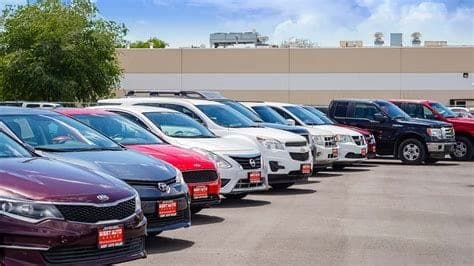
You've found the deal. A late-model sedan at a franchise dealer, priced just below market. The Carfax looks clean, the paint shines, and the salesperson is charming. You're ready to sign. But something doesn't sit right — and you can't quite name it. That nagging feeling might be the only thing standing between you and a vehicle with a fabricated identity. Dealer VIN fraud is more sophisticated than most buyers realize, and the red flags are easy to miss if you don't know where to look.
60-second answer
Dealer VIN fraud red flags include mismatched VIN stickers, reluctance to share paperwork, prices that are too good to be true, and titles issued from distant states. Always run a VIN check through the NMVTIS database before committing to any purchase — it's the single best defense against VIN swap fraud and title washing.
Why Dealer VIN Fraud Still Thrives in 2024
You'd think modern databases would have killed off VIN fraud by now. They haven't. The National Insurance Crime Bureau (NICB) estimates that VIN cloning and swapping cost American consumers hundreds of millions of dollars each year. The schemes work because they exploit gaps between state title databases — gaps that a title washing dealer can drive a truck through, sometimes literally. A vehicle totaled in Texas can resurface with a clean title in a state with looser reporting requirements, then land on a dealer's lot looking like a bargain.
Not every dealer running a scam is a stereotypical backyard operation. Some operate from clean showrooms with professional websites. The NICB and the FTC have both flagged cases involving licensed dealers who knowingly sold vehicles with swapped or cloned VINs. That's why buyer vigilance matters more than the dealer's appearance.
Red Flag 1: The VIN Plate Looks Off
The dashboard VIN plate is the first place to check — and the first place fraudsters manipulate. Look through the windshield from outside the car. A legitimate VIN plate is riveted to the dash by the manufacturer. If it appears glued, if the edges are raised, or if you can see signs of tampering like scratches or misaligned rivets, walk away. Compare the dashboard VIN to the one on the driver's door jamb sticker. They must match exactly — character for character, no exceptions.
Red Flag 2: The Door Jamb Sticker Is Missing or Replaced
Every vehicle sold in the U.S. carries a federal certification label on the driver's door jamb. It lists the VIN, manufacture date, and GVWR. This sticker is extremely difficult to replicate convincingly. If it's absent, peeling suspiciously, or the font looks inconsistent with the manufacturer's style, that's a classic sign of VIN swap fraud. A dealer scam involving VIN replacement almost always involves altering or removing this label.
Red Flags 3-5: Paperwork Problems That Signal Trouble
- The title was issued in a state far from where the car was supposedly sold or serviced. Title washing dealers frequently move vehicles through states like Alabama, Mississippi, or Washington, D.C. — jurisdictions that have historically been slower to adopt NMVTIS reporting standards.
- The dealer resists providing the full title before you sign. A legitimate seller has nothing to hide. If they claim the title is 'at the bank' or 'being processed,' insist on seeing it or getting a written guarantee before putting money down.
- The odometer reading on the title doesn't match the car's dash — even by a small amount. Discrepancies of a few thousand miles can indicate a rollback or a VIN transplanted from a lower-mileage donor vehicle.
Red Flag 6: The Price Is Suspiciously Low
This one sounds obvious. It isn't — because dealers are skilled at framing a low price as a 'manager's special' or 'end-of-month push.' Check the vehicle's fair market value on KBB or Edmunds before you visit the lot. If a dealer's price sits 15-25% below the going rate for comparable vehicles with similar mileage, ask yourself why. A title washing dealer can afford to undercut the market because their acquisition cost was pennies on the dollar — they bought a totaled or stolen car at a Copart or IAA auction and rebuilt its identity.
Don't trust a single VIN check source
Carfax and AutoCheck are valuable, but neither is infallible. Both rely on data reported to them, and a VIN swap means the real history is attached to a different number. Cross-reference your VIN check with the NMVTIS database, which aggregates data from all 50 states, insurers, and junk and salvage yards. A check through our VIN check page queries NMVTIS-sourced data to help surface title brands and salvage records that commercial reports sometimes miss.
Red Flag 7: The Vehicle Has No Service History — At All
A three-year-old car with zero service records is unusual. A five-year-old car with none is a warning siren. Most owners visit a dealer or chain shop for at least oil changes, and those visits generate digital records tied to the VIN. When a VIN has been swapped, the new number has no service trail. Ask the dealer for maintenance records. If they can't produce any — and the vehicle history report also shows a blank — the VIN on the dash may not be the number this car was born with.
Red Flag 8: The Dealer Pressures You to Skip an Independent Inspection
Any dealer who discourages a pre-purchase inspection by an independent mechanic is telling you something. A PPI catches things a VIN report can't — like hidden flood damage behind door panels, inconsistent paint thickness from unreported bodywork, or secondary VIN stamps on the engine block or transmission that don't match the dashboard plate. A dealer running a VIN scam knows an experienced mechanic will find physical evidence that the paperwork tries to erase.
How to Protect Yourself Before Signing
- Run a VIN check before you visit the lot. Use the VIN from the listing, then verify it matches the physical vehicle when you arrive. Our pricing page shows affordable single-report and multi-report options that pull NMVTIS data.
- Physically inspect every VIN location on the vehicle: dashboard, door jamb, engine block stamp, and — if accessible — the trunk or frame rail. All should match.
- Request the title and compare the VIN, odometer, and issuing state against the vehicle and the history report.
- Order a pre-purchase inspection from an ASE-certified mechanic who has no relationship with the selling dealer.
- If anything feels wrong, report it to the NICB's free VINCheck tool or call their hotline at 1-800-TEL-NICB. They take anonymous tips.
Dealer VIN fraud red flags are subtle by design. The entire scheme depends on buyers trusting the surface presentation — the shiny paint, the professional website, the friendly handshake. Your best defense is treating every used car purchase like a small investigation. Verify, cross-reference, and never let urgency override diligence. The ten minutes you spend running a VIN check and comparing numbers could save you from buying a car that legally doesn't exist.
What to do next
Before you visit any dealer lot, run the vehicle's VIN through our VIN check tool. It queries NMVTIS-sourced data to flag salvage brands, title washing, and ownership gaps that point to fraud. A few dollars now can prevent a catastrophic purchase later.
About the author
CarCheckerVIN Editorial Team
In-house automotive research team
The CarCheckerVIN editorial team combines decades of automotive industry, dealer, and journalism experience to produce trustworthy buying, selling, and ownership guidance backed by NMVTIS, NICB, and manufacturer data.
Keep reading
Most Recalls By Car Manufacturer 2025: Which Brands Put Buyers at Risk
Recall volume varies wildly by brand. Before buying used, know which manufacturers topped NHTSA's 2025 recall lists — and what that means for your wallet and safety.
Oct 6, 2026 · 10 min read
Car Frame Damage Repair Cost: What Buyers and Owners Actually Pay
Frame damage can turn a promising used-car deal into a money pit. Here is what repairs actually cost, which damage types are fixable, and when the math says walk away.
Sep 30, 2026 · 11 min read
VIN Etching: What It Is, How It Works, and When It's Worth Paying For
VIN etching engraves your car's 17-character VIN into its window glass so a thief can't resell the car or its parts without replacing every pane. It's a real deterrent, it's often free, and it's also one of the most marked-up add-ons on a dealer's menu. Here's how to tell the two apart.
Sep 16, 2026 · 10 min read