How to Read a Vehicle History Report Step by Step
Vehicle history reports pack ten years of records into one document. Here's how to read every section and decode what each red flag actually means for your purchase.
Check the car you're reading about
Free VIN decode and recall check
Factory specs and open NHTSA recalls in seconds. No sign-up.
On this page· 9
- Section 1: Vehicle specification block
- Section 2: Title brands and current title state
- Section 3: State title history
- Section 4: Odometer history
- Section 5: Accident & damage records
- Section 6: Service & maintenance records
- Section 7: Open safety recalls
- Section 8: Theft & total-loss history
- Putting it all together: the 5-minute read
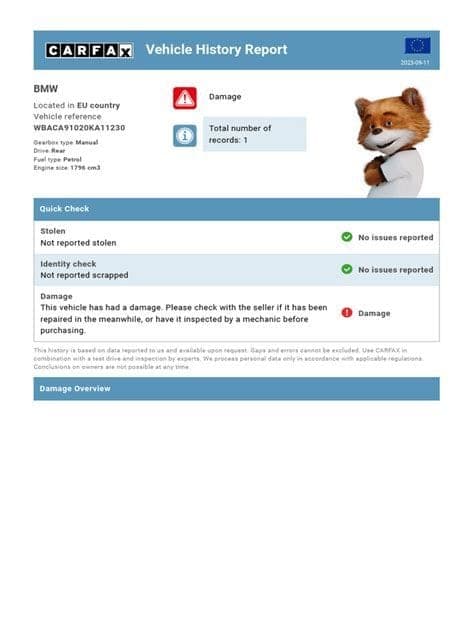
A vehicle history report compresses up to ten years of a car's life into a few pages. Done right, those pages tell you exactly which vehicles to pass on, which need an inspection focus, and which are genuinely as advertised. Done wrong — skimmed for 'clean' or 'no accidents' — they're roughly as useful as the seller's own description.
This guide walks through every section of a modern NMVTIS-backed report, what each entry means, and what to look for when something seems off.
Sections to scrutinize first
Title brands (page 1), state-by-state title history, odometer history, total-loss events. If any of those four have anything to flag, that's where 90% of the deal-killing risk lives.
Section 1: Vehicle specification block
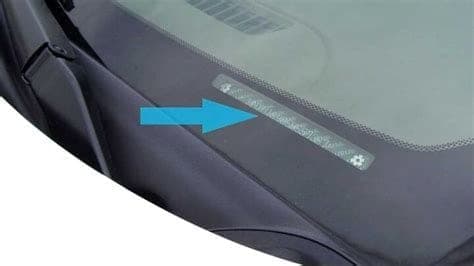
Every report starts with a decode of the VIN into year, make, model, trim, engine, body style, and country of manufacture. Compare every field against the car you're considering. A 2018 Honda Civic LX with a 2.0L engine that's being advertised as a Civic Sport with a 1.5L turbo is either a misadvertised listing or a clone VIN — either way, the conversation needs to happen before money does.
Pay special attention to the Manufacturer's Suggested Retail Price (MSRP) when provided. A car listed for sale at 70% of original MSRP that's a decade old and shows minimal records is roughly priced; the same car at 50% MSRP with three recorded accidents is priced at the discount you'd expect once the history is known.
Section 2: Title brands and current title state
This is the make-or-break section. Title brands are codes states attach to vehicles after certain qualifying events. The most important ones to recognize:
- Clean — no qualifying events recorded. Standard for vehicles without insurance total-loss history.
- Salvage — total loss declared, car not currently legal to operate.
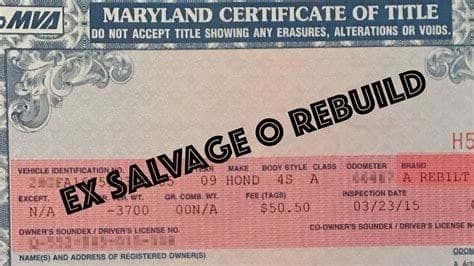
- Rebuilt / Reconstructed — was salvage, passed state inspection, now legal to operate but permanently branded.
- Flood / Water Damage — total loss specifically from water; insurance coverage and resale heavily penalized.
- Hail — total loss from hail damage; cosmetic but title brand persists.
- Junk / Non-Repairable — sold for parts only, cannot be re-titled for road use.
- Lemon Law Buyback — manufacturer repurchased under state lemon law; mechanical history is fully documented.
- Manufacturer Buyback — repurchased outside of lemon law (e.g. recall or customer satisfaction).
- Theft Recovery — was reported stolen and subsequently recovered.
- Odometer Discrepancy / Not Actual Miles — DMV has reason to believe the odometer reading is inaccurate.
Any brand other than 'clean' deserves a hard discount on the asking price and a focused inspection. Several brands (junk, salvage without subsequent rebuilt) are absolute walk-aways for road use.
Section 3: State title history
Every state the car has been registered in, with the date the title was issued. This section tells you the car's geographic story. A few patterns to look for:
Normal patterns
- Two states over 10 years (original buyer moved once).
- One state for the entire life of the car (most common for older cars).
- Sale state matches the most recent title state.
Patterns worth questioning
- Three+ states in the last 24 months — commercial flipping or auction-buying.
- Car titled in one state but being sold in a different state today — not always bad, but ask why.
- Most recent title issued in a state with weaker brand-carryover rules (historically: Georgia, Alabama, Texas — though NMVTIS has narrowed these gaps).
- A salvage brand that disappears between consecutive titles in different states.
Section 4: Odometer history
A timestamped log of every recorded mileage reading. Sources include state inspections, emissions tests, oil-change centers that report, dealer service visits, title transfers, and insurance claim photographs. The mileage should monotonically increase over time.
Things that should always trigger questions:
- A reading later in time than another reading, but with lower mileage — that's odometer rollback evidence.
- Gaps of multiple years between readings on an otherwise-active vehicle — possible deliberate suppression of records.
- Very low recent mileage on a car with very high earlier mileage — could be genuine (the car has been garaged) or could be a fresh rollback.
- An 'Odometer Not Actual Miles' brand from a state DMV.
Section 5: Accident & damage records
Reported accident events with severity, location, airbag deployment, and damage area. The key word here is 'reported' — only accidents that triggered an insurance claim, a police report, or a state-required damage report appear. A car can have been in a fender-bender that the previous owner paid for out of pocket and you'll never see it in this section.
How to interpret severity:
- Minor — typically cosmetic damage, no airbag deployment, structural integrity intact. Usually not a deal-killer.
- Moderate — significant repair work needed; should prompt a focused inspection of the affected area.
- Severe / Major — structural damage, often with airbag deployment. Usually worth walking away from unless the price discount is steep and the repair quality is documented.
Airbag deployment is the single most important field in this section. Deployed airbags require replacement of the entire airbag system, which is expensive and not always done correctly in private rebuilds. A previously-deployed airbag that wasn't properly replaced won't deploy in the next collision.
Section 6: Service & maintenance records
Reported service events from data partners (large oil-change chains, dealer service departments, some independent shops). This section is far from complete — most independent shops don't report — but a fully populated service section is a strong positive signal because it indicates a car that was maintained at recordkeeping facilities.
What to look for: a regular cadence of oil changes (every 5,000–10,000 miles), evidence of major service milestones (timing belt replacement at the manufacturer's interval, transmission service, brake jobs), and any 'check engine light' diagnoses that were addressed.
Section 7: Open safety recalls
Active manufacturer recalls that haven't been recorded as completed. These are usually free to fix at any dealer of the same brand and don't affect a buying decision much — they're easy to remedy. But you should make the appointment to clear them within a few weeks of purchase, especially safety-critical recalls (brakes, airbags, fuel systems).
Section 8: Theft & total-loss history
Reported theft events (even if recovered) and insurance total-loss declarations. A theft-recovery record is not automatically a deal-killer — if the car was found undamaged within a few days, it's essentially a curiosity. But a theft event followed by a salvage or rebuilt title typically means the car was damaged during the theft or recovery and was processed through salvage.
What a report doesn't include
Hail damage that wasn't claimed. Accidents the owner paid for cash. Wear-and-tear that didn't trigger a service record. The condition of the timing belt, transmission, or specific suspension components. The report tells you what's been recorded — never assume the absence of a record means the absence of an event. Pair every report with a physical pre-purchase inspection.
Putting it all together: the 5-minute read
- Glance at title brands — anything other than 'clean' triggers a deeper read.
- Count the state transitions — more than two in three years deserves a question.
- Look at the odometer plot — should be monotonically increasing.
- Skim accident records — focus on severity and airbag deployment.
- Check open recalls — note them for post-purchase service.
- Read theft / total-loss section — any entries change the calculus.
- Compare what's there to what the seller told you. Discrepancies are the most actionable signal in any report.
What to do next
If you're shopping for a used car, run the history report before the test drive — never after. The whole purpose of the report is to filter out the cars you don't want to waste time driving. Five minutes with a thorough report saves an afternoon at a bad listing.
About the author
CarCheckerVIN Editorial Team
In-house automotive research team
The CarCheckerVIN editorial team combines decades of automotive industry, dealer, and journalism experience to produce trustworthy buying, selling, and ownership guidance backed by NMVTIS, NICB, and manufacturer data.
Keep reading
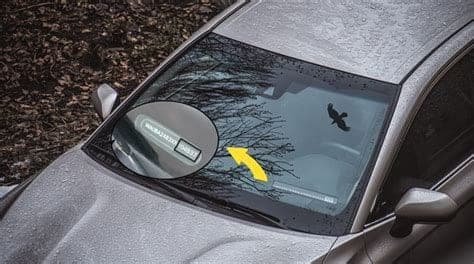
How Many Owners by VIN: The Real Number Behind 'One-Owner Car'
"One-owner car" sounds great on a listing — but is it true? Here's how to check how many owners by VIN and what the number actually tells you about a used vehicle.
Aug 1, 2026 · 5 min read

JDM Import VIN Decoding: Navigating the 25-Year Rule and Japanese Chassis Numbers
Japanese-market vehicles use chassis numbers that don't follow US VIN standards. Here's how to decode them, verify legal import status, and avoid titling nightmares.
Jul 25, 2026 · 7 min read
The Monroney Label: How to Read a New Car Window Sticker by VIN
The Monroney label is federally mandated on every new car sold in America. Here's how to read one, retrieve it by VIN, and spot the details most buyers miss.
Jul 20, 2026 · 6 min read