How to Catch an Odometer Rollback: 7 Proven Methods
Odometer fraud costs US buyers over $1 billion a year. Here are seven field-tested methods to catch a rolled-back odometer before you hand over your money.
On this page
- Why Odometer Tampering Still Happens in 2024
- Method 1: Pull the Vehicle History Report
- Method 2: Read the Wear Patterns
- Method 3: Inspect the Tires and Brakes
- Method 4: Check the Title and Paperwork
- Method 5: Scan the OBD-II System
- Method 6: Get a Pre-Purchase Inspection
- Method 7: Cross-Reference Oil Change and Service Stickers
- What to Do If You Suspect a Rollback
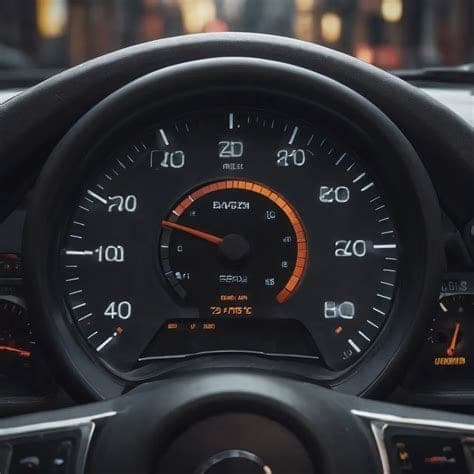
You found a used car that looks too good to be true. Low miles, clean exterior, reasonable price. But something nags at you. The brake pedal rubber is worn flat. The steering wheel leather is polished smooth. The seat bolster sags like it has carried someone to work and back for 200,000 miles, not the 68,000 the odometer claims. You might be looking at an odometer rollback, and you are far from alone. NHTSA estimates that more than 450,000 vehicles with tampered odometers are sold in the United States every year, costing buyers over $1 billion annually. Odometer rollback detection is not just a nice skill to have. It is a financial survival tool.
60-second answer
The fastest way to catch mileage fraud is to run a VIN check through a service that pulls NMVTIS data and compare the recorded mileage history against the odometer reading in front of you. If the numbers do not climb steadily over time, walk away.
Why Odometer Tampering Still Happens in 2024
You might think digital odometers killed this scam. They did not. Modern rollback tools cost as little as $50 online and can reprogram a car's instrument cluster in minutes. Scammers buy high-mileage vehicles cheaply at wholesale auctions (think Copart or IAA salvage sales, or even Manheim dealer lanes), roll the odometer back by 80,000 to 120,000 miles, and flip them on Craigslist or Facebook Marketplace at a steep markup. Federal law (49 USC 32703) makes odometer tampering a felony punishable by fines and prison time, but enforcement is difficult when thousands of private sales happen daily with minimal documentation.
Method 1: Pull the Vehicle History Report
Start with the VIN. Every time a car passes through a state inspection station, a dealer service bay, an emissions test, or an insurance claim, someone records the mileage. Those readings feed into the National Motor Vehicle Title Information System (NMVTIS), plus private databases maintained by companies like Carfax and AutoCheck. When you run a VIN check on our vin-check page, you get a timeline of mileage readings. Look for any entry where the mileage drops compared to a previous entry. That is the clearest sign of a rollback. Also look for gaps longer than two years with no recorded reading, because scammers sometimes let a title sit before reselling.
Method 2: Read the Wear Patterns
Your eyes are a powerful odometer rollback detection tool. A car with truly low miles should show it. Check these physical clues before you even pop the hood.
- Pedal pads: Rubber on the brake, gas, and clutch pedals wears noticeably by 60,000 miles and often needs replacement by 120,000. Brand-new pedal covers on an older car can be a cover-up.
- Steering wheel and shift knob: Leather and rubber polish smooth with use. A shiny, worn steering wheel on a car claiming 40,000 miles is a red flag.
- Driver seat bolster: The side cushion on the driver seat compresses and creases with entry and exit. Heavy wear here contradicts a low odometer reading.
- Door armrests and window switches: High-touch surfaces show grime and wear proportional to actual use.
Method 3: Inspect the Tires and Brakes
Most tires last 40,000 to 60,000 miles. If a car shows 30,000 miles on the odometer but wears a set of tires with a brand and size different from the OEM spec (and those tires are already half-worn), the math does not add up. Check the DOT date code on the tire sidewall too. Four digits give you the week and year of manufacture. Tires made eight years ago on a car claiming 25,000 total miles raise questions. Brake rotors tell a similar story. Scored or deeply grooved rotors suggest many more stops than a low-mileage car would need.
Method 4: Check the Title and Paperwork
Every time a vehicle changes hands in the US, the seller must record the odometer reading on the title (with limited exemptions for vehicles over 20 years old in some states). Ask the seller for the original title (not a duplicate) and every previous title if available. Look for the mileage listed at each transfer. A duplicate title is not automatically suspicious (people lose paperwork), but scammers sometimes apply for a duplicate to get a clean document after altering the recorded mileage on the original. If the seller cannot produce a title at all, treat that as a deal-breaker.
Watch for title washing
Some sellers move a branded title (salvage, rebuilt, flood) to a lenient state to wash it clean. A washed title may also carry a reset mileage figure. Run the VIN through NICB's free VINCheck tool and a full vehicle history report to catch titles that crossed state lines suspiciously.
Method 5: Scan the OBD-II System
Most cars built after 1996 have multiple electronic modules that store mileage independently of the instrument cluster. The engine control module (ECM), the transmission control module, and sometimes the body control module each keep their own odometer snapshot. A basic OBD-II scanner (the kind you can buy for $30 or borrow from an auto parts store) can read fault codes, but you may need a more advanced scan tool or a dealer-level diagnostic session to pull stored mileage from individual modules. If the ECM says 187,000 miles and the dash says 87,000, you have caught a rollback in real time.
Method 6: Get a Pre-Purchase Inspection
Pay an independent mechanic (not one the seller recommends) to put the car on a lift. A trained technician can spot wear on suspension bushings, CV joints, exhaust components, and undercarriage coatings that simply do not match a low-mileage claim. Budget $100 to $200 for this inspection. Think of it as insurance against a $5,000 to $10,000 loss from mileage fraud. Any seller who refuses a pre-purchase inspection is telling you something important.
Method 7: Cross-Reference Oil Change and Service Stickers
Open the driver's door jamb and check under the hood for service reminder stickers. Quick-lube shops routinely stick a label showing the date, mileage at service, and the next service interval. If a sticker from 2021 shows 145,000 miles and the odometer now reads 72,000, you have hard evidence of a rollback. Also check the glovebox for old receipts or a maintenance booklet with handwritten entries. Scammers often forget to remove these small but damning records.
What to Do If You Suspect a Rollback
If your used car mileage check turns up discrepancies, do not confront the seller aggressively. Simply walk away from the deal. Document everything (photos of the odometer, stickers, tire codes, and the VIN) and file a complaint with the NHTSA online or your state attorney general's consumer protection division. If you already bought the car and discover the fraud afterward, you may have legal recourse under federal and state odometer fraud statutes. Many states allow treble (triple) damages. Consult an attorney who handles auto fraud cases.
- Run a VIN history report and look for mileage inconsistencies.
- Inspect physical wear on pedals, seats, steering wheel, and switches.
- Check tire age codes and brake rotor condition against claimed miles.
- Review the title chain and ask for service records.
- Scan OBD-II modules for stored mileage that contradicts the dash.
- Get an independent pre-purchase inspection on a lift.
- Look for oil change stickers and maintenance receipts with higher mileage entries.
What to do next
Before you visit any used car in person, run its VIN through our vin-check page. It takes two minutes, pulls from NMVTIS and other national databases, and shows you a mileage timeline that makes odometer rollback detection straightforward. Catching a discrepancy before you drive across town to see a car saves you time, money, and a lot of frustration.
CarCheckerVIN Editorial Team
In-house automotive research team
The CarCheckerVIN editorial team combines decades of automotive industry, dealer, and journalism experience to produce trustworthy buying, selling, and ownership guidance backed by NMVTIS, NICB, and manufacturer data.
Ready to check a VIN?
Run a free VIN check
Decode any vehicle in under 60 seconds.