Out-of-State VIN Inspection: What Every DMV Actually Requires for Title Transfer
Most states require a physical VIN inspection before they'll register an out-of-state vehicle. The rules vary wildly — and a wrong form or missed appointment can stall your title transfer for weeks.
Check the car you're reading about
Free VIN decode and recall check
Factory specs and open NHTSA recalls in seconds. No sign-up.
On this page· 7
- Why States Require a VIN Inspection in the First Place
- States That Require a Full Physical VIN Inspection
- States That Waive or Simplify the Process
- How to Navigate the Process Without Delays
- Costs You Should Expect
- What a VIN Inspection Can — and Cannot — Tell You
- Special Cases: Military, Diplomats, and Cross-Border Imports
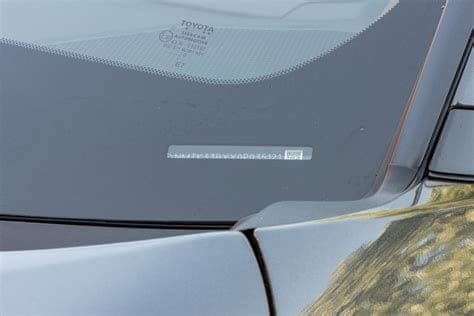
You bought a car in another state — maybe you found a deal on a low-mileage truck in Texas, or you relocated from California to Colorado and brought your sedan along — and now your new state's DMV is telling you the vehicle needs a VIN inspection before they'll issue plates. The requirement catches thousands of buyers off guard every year, partly because no two states handle the out-of-state VIN inspection process in exactly the same way, and partly because dealerships that sell across state lines rarely volunteer the details. What follows is a state-by-state breakdown of what DMVs actually demand, why the requirement exists, and how to keep the process from eating your time and money.
60-second answer
Most states require a physical state VIN verification — performed by a law-enforcement officer, licensed dealer, or DMV agent — before they will complete a title transfer VIN registration for a vehicle brought in from out of state. A handful of states (like Florida and Ohio) waive the inspection if the title is clean and electronically verifiable through NMVTIS. Always check your specific state's DMV website before you show up with paperwork.
Why States Require a VIN Inspection in the First Place
The out-of-state VIN inspection exists primarily to fight title fraud and VIN cloning — a scheme in which a stolen vehicle's identity plate is swapped with a VIN from a legally titled car. The National Insurance Crime Bureau (NICB) documented more than 28,000 VIN-cloning complaints between 2019 and 2023, and the agency has repeatedly urged states to tighten physical-inspection requirements. Federal law, specifically 49 U.S.C. § 32703, prohibits odometer tampering and compels states to record mileage at each title transfer, but the statute does not mandate a physical VIN check — that decision falls to each state's motor vehicle division. The result is a patchwork: some states send a trooper to eyeball the VIN plate on the dashboard and the federal certification label on the driver's door jamb, while others accept a simple photo submitted through an app.
States That Require a Full Physical VIN Inspection
The majority of states fall into this category, though the specifics — who can perform the inspection, what form you need, and whether an appointment is required — vary enough to trip up even experienced buyers. Below are notable examples that illustrate the range.
- Colorado: Requires a VIN verification (Form DR 2698) completed by a licensed Colorado dealer, peace officer, or emissions-testing facility. The fee is typically $6 at the county clerk's office, though third-party inspectors sometimes charge $25–$50.
- New York: A DMV-certified inspector must fill out Form MV-35, and the vehicle also needs a New York State safety inspection within 10 days of registration. Inspections run $10–$21 at a licensed station.
- Pennsylvania: Uses Form MV-41, which must be completed by a certified inspection station, state police, or any PennDOT agent. A safety and emissions inspection is required simultaneously in most counties.
- Texas: Law enforcement performs VIN inspections using Form VTR-68-A at roughly 300 regional auto-theft offices. The fee is $2 at a state office, but authorized inspection stations may charge $40 or more.
- California: CHP officers handle VIN verifications on Form REG 31, commonly required for out-of-state vehicles, salvage rebuilds, and vehicles with corrected titles. The verification itself is free, but wait times at CHP offices can stretch past two hours.
States That Waive or Simplify the Process
A smaller group of states either skip the physical inspection entirely for clean-title vehicles or accept digital verification. Florida, for instance, does not require a VIN inspection for most out-of-state transfers as long as the title is free of brands and the vehicle's record is verifiable through the National Motor Vehicle Title Information System (NMVTIS). Ohio similarly waives the requirement for clean titles but mandates an inspection for rebuilt or salvage-branded vehicles. Virginia's DMV can perform a DMV VIN check at the counter during your title-transfer appointment, folding the process into a single visit with no separate form. Arizona accepts VIN verification from any law-enforcement officer nationwide, which means you can have the inspection done in your originating state before you drive the car to Arizona — a significant time saver.
How to Navigate the Process Without Delays
- Run a VIN history report before you buy. A vehicle with a salvage, rebuilt, flood, or junk brand will face extra scrutiny — and possible rejection — in many states. Checking the vehicle's record through a service like our VIN check page or through NMVTIS directly can flag these issues before you commit.
- Identify the correct form for your destination state. Download it from the state DMV website and, if possible, have it partially filled out before your appointment. Common forms include DR 2698 (Colorado), MV-35 (New York), VTR-68-A (Texas), and REG 31 (California).
- Determine who is authorized to complete the inspection. Some states accept only law-enforcement officers; others allow licensed dealers or certified mechanics. Bringing a car to the wrong inspector wastes a trip.
- Schedule ahead. CHP offices in California and state police barracks in Pennsylvania often have multi-week backlogs for VIN verifications. Calling ahead or booking online — where available — can shave days or weeks off the timeline.
- Bring every document to the appointment: the out-of-state title (or manufacturer's certificate of origin), a bill of sale, proof of insurance in the new state, a valid emissions test if applicable, and a government-issued ID. Missing paperwork is the single most common reason VIN inspections stall.
Watch Out for Branded Titles Hiding Across State Lines
Some sellers deliberately register salvage or flood vehicles in states with lax title-branding rules — a practice known as title washing — and then sell them out of state with a clean-looking title. NHTSA estimates that more than 450,000 flood-damaged vehicles re-enter the market after major hurricanes, many with washed titles. A title transfer VIN inspection may catch an altered VIN plate, but it will not reveal hidden flood or structural damage. Always run a vehicle history report through NMVTIS-linked providers before purchasing any out-of-state vehicle.
Costs You Should Expect
State-administered VIN inspections are generally cheap — often free to $6 at a government office. The real costs come from associated requirements that piggyback on the process. New York charges $50 for title transfer plus $25–$75 for mandatory safety inspection. California's smog certification runs $20–$90 depending on the testing station, and it must be completed before registration. Colorado's emissions test costs $15–$25 in the Denver metro area but is not required in rural counties. Add in potential sales/use tax — which nearly every state assesses on out-of-state purchases — and the total can climb quickly. Georgia, for example, charges a Title Ad Valorem Tax (TAVT) of 6.6% of the vehicle's fair market value, a figure that startles buyers who assumed they only owed their originating state's sales tax.
What a VIN Inspection Can — and Cannot — Tell You
A state VIN verification confirms that the 17-character VIN stamped on the vehicle matches the number printed on the title document. It may also confirm that the federal safety certification label on the door jamb is intact and consistent. What it does not do is assess mechanical condition, verify accident history, check for open recalls through NHTSA's database, or confirm odometer accuracy — tasks that fall outside the inspector's scope. That gap matters: Carfax and AutoCheck reports routinely surface accident records, auction histories from Copart and IAA, and prior odometer readings that a physical inspection would never catch. Treating the state VIN verification as a comprehensive DMV VIN check is a common and costly mistake.
Special Cases: Military, Diplomats, and Cross-Border Imports
Active-duty military members often receive exemptions or extended deadlines for out-of-state VIN inspections under the Servicemembers Civil Relief Act (50 U.S.C. § 3901 et seq.), though the specifics depend on the state. Virginia, for example, allows military personnel stationed out of state to register vehicles without a Virginia safety inspection until they return. Vehicles imported from Canada or Mexico face a separate federal process — a DOT HS-7 declaration and, for vehicles older than 25 years, an EPA exemption — that must be completed before any state-level VIN inspection. Buyers purchasing cars at cross-border auctions, including those listed on Copart's international platform, should budget additional time and $500–$2,500 in customs and compliance fees.
What to do next
Before you schedule a VIN inspection appointment at your local DMV or law-enforcement office, run the vehicle's 17-digit VIN through our VIN check page to verify its title status, brand history, and NMVTIS records. Catching a salvage brand or odometer discrepancy before you stand in line saves far more than the cost of the report — and gives you leverage to renegotiate or walk away.
About the author
CarCheckerVIN Editorial Team
In-house automotive research team
The CarCheckerVIN editorial team combines decades of automotive industry, dealer, and journalism experience to produce trustworthy buying, selling, and ownership guidance backed by NMVTIS, NICB, and manufacturer data.
Keep reading

Consumers Auto Loan: How to Finance Your Next Car Without Getting Burned
A consumers auto loan is the single biggest variable in your car deal — bigger than the sticker price. Here's how to lock in the best rate before you ever step on a lot.
Oct 16, 2026 · 10 min read
What Nissan Cars Have CVT Transmission Problems — And What to Do Before You Buy
CVT trouble is real across multiple Nissan models. Before you buy a used Altima, Sentra, or Rogue, know which years are risky, what repairs cost, and whether a Nissan CVT transmission recall covers it.
Oct 16, 2026 · 12 min read
Car Warranty Coverage: What You Actually Get and What to Watch Out For
Before you buy a used car or sign an extended warranty contract, know exactly what car warranty coverage includes, what it excludes, and which plans deliver real value.
Oct 15, 2026 · 11 min read