Importing a Car from Canada to the US: The Complete VIN and Title Process
Buying a car across the northern border can save you thousands, but the canada to us car import vin and title process has real pitfalls. Here's how to navigate every step.
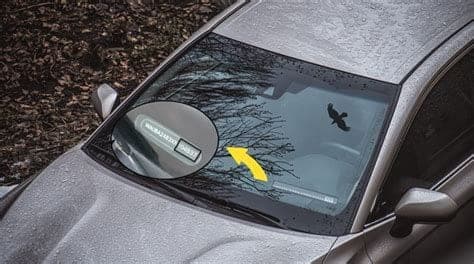
You've found a killer deal on a truck in Ontario or a low-mileage sedan in British Columbia, and the exchange rate makes it even sweeter. But you're staring at a 17-digit VIN that starts with a "2" instead of the familiar "1" — and you're wondering what hoops you'll need to jump through to bring it stateside. You're not alone. Thousands of Americans import vehicles from Canada every year, and most of them underestimate the paperwork. The canada to us car import vin process involves federal agencies, state DMVs, emissions labs, and a surprising number of forms that must line up perfectly before you can register a Canadian-market vehicle on US roads.
60-second answer
To legally import a car from Canada, you need the original Canadian title, a completed CBP Form 7501, proof the vehicle meets EPA and DOT/NHTSA safety standards, and a US-standard VIN verification. Run a canadian vin lookup before you buy to check for liens, recalls, and title brands that could block registration.
Why the VIN Matters More Than You Think
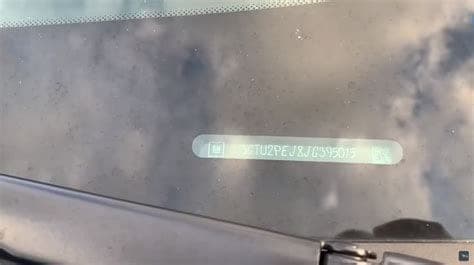
Every vehicle sold in North America carries a 17-character VIN, but Canadian-market models aren't always identical to their US counterparts. The VIN's world manufacturer identifier — positions one through three — tells you where the car was built and by whom. A VIN starting with "2" indicates Canadian assembly, while "1," "4," or "5" points to US plants. Some Canadian-spec vehicles have metric-only instrument clusters, daytime running lights wired differently, or side-marker configurations that don't meet Federal Motor Vehicle Safety Standards. Running a canadian vin lookup through a service like the one on our vin-check page reveals the build specs, any open recalls from NHTSA or Transport Canada, and — critically — whether the title has ever been branded as salvage, rebuilt, or flood-damaged.
Canada's version of NMVTIS is the Canadian Registrar of Imported Vehicles (RIV) system, and it tracks title brands at the provincial level. The problem is that provincial branding rules vary. A vehicle written off in Alberta might not carry the same disclosure in Quebec. A thorough VIN report bridges that gap and protects you from buying someone else's insurance nightmare.
Step-by-Step: Getting the Car Across the Border
The actual border crossing is where most buyers feel the pressure. US Customs and Border Protection — CBP — is the gatekeeper, and they don't let a vehicle through without specific documentation. Here's the sequence you need to follow.
- Obtain the original Canadian ownership document (title) from the seller. Make sure there are no liens — provincial lien searches are available online for a small fee.
- Complete EPA Form 3520-1 (Declaration of Conformity) to certify the vehicle meets US emissions requirements. Vehicles originally manufactured for the US market are usually straightforward. Others may need modification by an EPA-approved independent commercial importer.
- Complete DOT Form HS-7 (Declaration of Conformity with Federal Motor Vehicle Safety Standards). If the car is 25+ years old, it's exempt from FMVSS — a huge advantage for classic imports.
- Present all documents at the CBP car import entry point. CBP will process Form 7501 (Entry Summary) and assess duty — typically 2.5% for passenger cars, 25% for trucks and certain SUVs.
- Pay any applicable duties and the federal merchandise processing fee, which is 0.3464% of the vehicle's value (minimum $31.67, maximum $614.35 as of 2024).
- After clearing customs, have the vehicle inspected for a US VIN verification at your state's DMV or an authorized inspection station.
Timing matters here. CBP typically processes a us border car entry within a few hours if your paperwork is in order, but EPA and DOT review can take longer if modifications are required. Budget at least two to four weeks from purchase to full state registration.
Emissions and Safety Compliance: The Make-or-Break Details
EPA and NHTSA compliance trips up more buyers than any other step. If the vehicle was originally manufactured to meet US federal standards — which many Canadian-market cars are, since automakers build to a single North American spec — you simply declare conformity on the forms. But if the car was built exclusively for the Canadian market, you'll need to hire a registered importer (RI) listed by NHTSA to modify and certify the vehicle. That process can cost anywhere from a few hundred dollars for minor lighting changes to several thousand for emissions hardware swaps.
Diesel trucks and certain European-market vehicles sold through Canadian dealers are common trouble spots. Always check the EPA's "Does My Vehicle Qualify?" tool and NHTSA's registered importer list before committing to a purchase. A vehicle that can't be brought into compliance is essentially worthless to a US buyer — no state will title or register it.
Watch out for tariff surprises
Light trucks and certain SUVs built on truck platforms are subject to the 25% "chicken tax" duty — not the standard 2.5% for passenger cars. This can add thousands to the cost of importing a pickup or body-on-frame SUV. Verify the vehicle's tariff classification (HTSUS heading 8703 vs. 8704) before you buy.
Title Transfer and State Registration
Once the vehicle clears CBP and meets EPA/NHTSA standards, you need a US title. This is a state-level process, and requirements vary. Most states require the original Canadian ownership document, the CBP Entry Summary (Form 7501), proof of emissions compliance, a completed VIN inspection by law enforcement or a licensed inspector, and payment of sales tax.
- States like California require a BAR (Bureau of Automotive Repair) smog inspection in addition to federal EPA clearance.
- Some states — Michigan and Montana among them — have streamlined processes for Canadian imports because of their proximity to the border.
- If the Canadian title shows a brand (salvage, rebuilt, etc.), most US states will carry that brand forward onto the new title. A few may require an enhanced inspection before issuing a rebuilt title.
Your state's DMV will issue a new US title and registration once everything checks out. The odometer reading will need to be converted from kilometers to miles — a detail that sounds minor but has tripped up many applications. The conversion factor is 0.621371. Write it in pen on the title application exactly as the DMV instructs.
Common Mistakes That Delay or Kill the Deal
Skipping the pre-purchase VIN check is the single most expensive mistake. A branded title, undisclosed accident history, or open recall can all surface after you've already paid the seller and hauled the car across the border. At that point, your leverage is gone. Running a report through our vin-check tool before wiring money takes minutes and costs a fraction of what a bad title will cost you.
- Failing to get a lien clearance letter from the Canadian province — US DMVs won't title a car with an outstanding lien.
- Assuming the vehicle meets US safety standards without verifying — headlight aim, bumper height, and side-marker lamps are frequent fail points.
- Forgetting to cancel the Canadian insurance and registration — you could be billed for provincial insurance premiums months after the car is gone.
Is It Still Worth Importing from Canada?
When the Canadian dollar is weak against the US dollar, cross-border shopping makes strong financial sense — savings of 15–25% on certain models aren't unusual. Trucks, in particular, can be dramatically cheaper north of the border even after factoring in duty and compliance costs. But the math only works if you do the homework upfront. Factor in duty, potential modification costs, state sales tax, and shipping or driving expenses before comparing the total landed cost to what you'd pay at a US dealer or through a marketplace like Manheim or KBB Private Party pricing.
The cbp car import process is well-defined — it's not a gray area. Thousands of vehicles clear US customs from Canada every month without incident. The buyers who run into trouble are almost always the ones who skipped a step, didn't verify the VIN's history, or assumed compliance where none existed.
What to do next
Before you send a deposit on any Canadian vehicle, run the VIN through our vin-check page to confirm the title is clean, check for open recalls, and verify build specifications. It's the single step that separates a smart cross-border deal from an expensive lesson.
CarCheckerVIN Editorial Team
In-house automotive research team
The CarCheckerVIN editorial team combines decades of automotive industry, dealer, and journalism experience to produce trustworthy buying, selling, and ownership guidance backed by NMVTIS, NICB, and manufacturer data.
Ready to check a VIN?
Run a free VIN check
Decode any vehicle in under 60 seconds.