Certified Pre Owned Warranty Mercedes: What It Actually Covers, What It Costs, and Whether It's Worth the Premium
Mercedes CPO warranty coverage sounds generous—up to 5 years, unlimited miles—but the fine print matters. This guide breaks down real costs, exclusions, and how it stacks up against rival CPO programs.
On this page
- What the Mercedes-Benz CPO Warranty Actually Includes
- Certified Pre Owned Warranty Mercedes vs. Competing CPO Programs
- The Cost-Versus-Risk Equation: Is the Mercedes CPO Premium Justified?
- What the Mercedes CPO Warranty Does Not Cover
- The 165-Point Inspection: What It Catches and What It Misses
- Extending the Mercedes CPO Warranty
- Dealer Tactics to Watch For in the F&I Office
- Title Brands, Auction History, and CPO Eligibility
- Financing a Mercedes CPO Vehicle
- When to Walk Away from a Mercedes CPO Deal
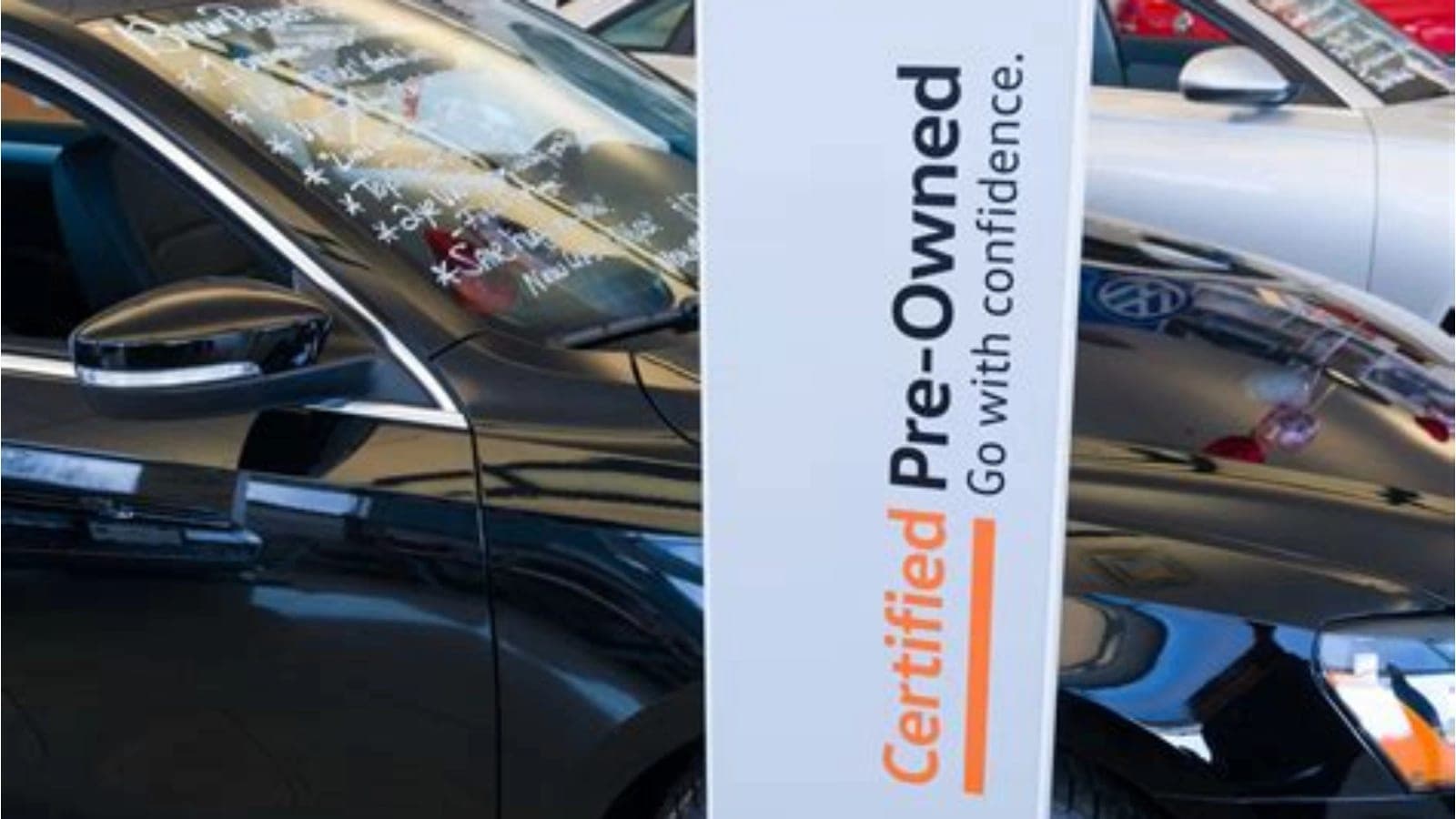
Shopping for a certified pre owned warranty Mercedes means weighing one of the most expensive CPO programs in the luxury segment against repairs that can easily run $3,000 to $8,000 per incident on modern Mercedes-Benz models, according to RepairPal's cost index data. The Mercedes-Benz Certified Pre-Owned program wraps a used vehicle in an OEM-backed warranty that extends coverage well beyond the original new-car terms—but the eligibility window, the deductible structure, and the gap between what the warranty says it covers versus what dealers actually approve are details that separate a smart purchase from a costly misunderstanding. Before signing at a Mercedes-Benz dealer's F&I desk, a buyer needs to understand precisely what the CPO stamp adds, what it excludes, and how the program compares to competing CPO warranties from brands like Honda, Ford, and Hyundai.
The short answer
Mercedes-Benz CPO vehicles receive an unlimited-mileage warranty that extends to 5 years from the original in-service date, covering most mechanical and electrical components. Whether it's worth the premium depends on the specific model's repair history and remaining coverage at the time of purchase—run the math against a third-party vehicle service contract before deciding.
What the Mercedes-Benz CPO Warranty Actually Includes
Mercedes-Benz structures its CPO warranty in two layers. First, any remaining portion of the original 4-year/50,000-mile new-vehicle limited warranty continues to apply—a detail Mercedes-Benz USA confirms in its official CPO program literature. Second, once that factory warranty expires, the CPO warranty extends powertrain and select component coverage to a total of 5 years from the vehicle's original in-service date with no mileage limit. That unlimited-mileage provision is unusual in the luxury CPO space; BMW's CPO program, by comparison, caps coverage at 1 year/unlimited miles beyond the original warranty per BMW USA's published terms.
Covered Components
The CPO limited warranty covers the engine, transmission, transfer case, drive axle, steering, suspension, brakes, electrical systems, climate control, and most factory-installed electronics. Wear items—brake pads, rotors, wiper blades, tires—are explicitly excluded, as are aftermarket modifications. The program also includes a $0 deductible on covered repairs when work is performed at an authorized Mercedes-Benz dealer, which contrasts with many third-party warranty providers that impose $100–$250 per-visit deductibles.
Eligibility Requirements
Not every used Mercedes qualifies. Mercedes-Benz USA requires that CPO vehicles be no more than 6 model years old and carry fewer than 75,000 miles at the time of certification. Every CPO candidate must pass a 165-point inspection conducted by a factory-trained technician, and the dealer must resolve any deficiencies before certification. A vehicle history report is generated for every CPO unit—something buyers should verify independently through a VIN check—and vehicles with salvage, rebuilt, or flood title brands recorded in NMVTIS are ineligible for the program.
Certified Pre Owned Warranty Mercedes vs. Competing CPO Programs
To assess Mercedes-Benz CPO value, it helps to benchmark against what mainstream and rival luxury brands offer. The differences in duration, deductible, and coverage breadth are significant, and they directly affect the buyer's total cost of ownership over a 3- to 5-year holding period.
Hyundai Certified Pre-Owned Warranty
The hyundai certified pre owned warranty is arguably the most generous in the mass-market segment. Hyundai CPO vehicles retain the remainder of the original 5-year/60,000-mile bumper-to-bumper warranty and the 10-year/100,000-mile powertrain warranty, according to Hyundai Motor America's CPO terms. Critically, Hyundai's powertrain warranty is fully transferable to CPO buyers—a distinction that matters because some manufacturers limit second-owner powertrain coverage. On top of that, Hyundai adds a 10-year/100,000-mile CPO powertrain warranty measured from the vehicle's in-service date, plus a $0 deductible. For a buyer cross-shopping a $28,000 Hyundai Tucson CPO against a $38,000 Mercedes GLA CPO, the Hyundai's warranty advantage per dollar spent is considerable.
Ford Certified Pre-Owned Warranty and Ford Gold Certified Warranty
Ford runs a two-tier system. The standard ford certified pre owned warranty provides a 12-month/12,000-mile comprehensive limited warranty plus a 7-year/100,000-mile powertrain warranty from the original in-service date, with a $100 deductible. The ford gold certified warranty upgrades that to the same powertrain term but adds more comprehensive non-powertrain coverage and a lower deductible option. Gold Certified vehicles must be newer and lower-mileage—typically under 6 model years and 80,000 miles—according to Ford Motor Company's program guidelines. For buyers weighing a Ford Explorer against a Mercedes GLC, the Ford CPO powertrain term—7 years versus Mercedes' 5 years—can tip the equation, especially for high-mileage drivers.
Honda Certified Pre-Owned Warranty and Rates
The honda certified pre owned warranty adds a 4-year/48,000-mile powertrain warranty from the date of CPO purchase—measured from purchase, not in-service date—plus a non-powertrain limited warranty of 1 year/12,000 miles. Honda's $0 deductible makes it competitive on out-of-pocket cost. Meanwhile, honda certified pre owned rates have historically been among the most competitive in the market; American Honda Finance Corporation regularly advertises CPO financing as low as 4.9% APR for 36 months on select models, though rates fluctuate monthly and depend on creditworthiness. Buyers should compare these rates directly against credit union pre-approvals.
The Cost-Versus-Risk Equation: Is the Mercedes CPO Premium Justified?
Mercedes-Benz CPO vehicles typically carry a price premium of $1,500 to $4,000 over comparable non-certified used Mercedes models, based on pricing analysis from iSeeCars, which studied CPO vs. non-CPO listing prices across major brands. The question is whether the warranty coverage—valued at roughly $2,000 to $3,500 if purchased separately as an extended service contract from Mercedes-Benz—justifies that spread.
Consider the repair exposure. According to RepairPal, the average annual repair cost for a Mercedes-Benz is approximately $908, which is 43% higher than the industry average of $634. Models like the E-Class and GLE are particularly expensive to maintain once out of warranty, with common issues including air suspension failures ($1,800–$3,500 per corner), transmission valve body replacements ($2,500–$5,000), and COMAND infotainment system malfunctions ($1,200–$2,800). A single major repair can exceed the entire CPO premium.
On the other side of the ledger: if a CPO Mercedes has only 1 year of extended warranty remaining at the time of sale—because it was originally sold 4 years ago—the buyer is paying a $3,000+ premium for 12 months of coverage. In that scenario, a third-party vehicle service contract from a provider like Endurance or CARCHEX might deliver 3–5 years of coverage for $2,500–$4,500 total, potentially offering better value per month of protection. The trade-off is that third-party plans sometimes exclude dealer-specific parts or require pre-authorization, creating friction at the repair counter.
- CPO premium justified when: the vehicle has 2+ years of CPO warranty remaining, the model has known expensive failure points (air suspension, 9G-Tronic transmission), and the buyer plans to hold the car for 3+ years.
- CPO premium questionable when: less than 12 months of CPO coverage remain, the vehicle is a simpler model (A-Class, CLA) with lower average repair costs, or the buyer can secure a comparable third-party warranty for less.
- Always compare: request the full CPO warranty contract language from the dealer before agreeing to the price—dealers are required to provide it under the FTC Used Car Rule (16 CFR Part 455), which mandates disclosure of warranty terms on the Buyers Guide affixed to every used vehicle at a dealership.
What the Mercedes CPO Warranty Does Not Cover
The exclusions list is where many CPO warranty disputes originate. Mercedes-Benz CPO coverage does not extend to maintenance items (oil changes, spark plugs, filters, brake pads), cosmetic damage, glass, upholstery wear, or any component damaged by misuse, negligence, or failure to follow the maintenance schedule. Importantly, the warranty can be voided if a buyer uses non-Mercedes-approved parts or fluids, or if maintenance is not documented at recommended intervals—a provision that effectively requires the buyer to continue servicing at authorized dealers or keep meticulous records of independent shop work.
Additionally, the CPO warranty does not cover vehicles that have been modified with aftermarket performance parts, lowered or lifted suspensions, or non-factory ECU tunes. Under the Magnuson-Moss Warranty Act (15 U.S.C. §§ 2301–2312), a warrantor cannot void coverage simply because an aftermarket part is installed unless the warrantor can prove the modification caused the failure. In practice, however, Mercedes-Benz dealers frequently cite modifications as grounds for denial, and the burden of proving causation often falls on the consumer in dispute resolution.
The 165-Point Inspection: What It Catches and What It Misses
Mercedes-Benz's 165-point inspection covers mechanical components, fluid levels, body condition, tire tread depth (minimum 4/32" required per Mercedes CPO standards), brake wear, and electronic system functionality. The inspection is more rigorous than many competitors—Honda's CPO inspection covers 182 points, while Ford's covers 172—but point counts are somewhat misleading because they don't reflect the depth of each check.
What the inspection typically does not catch: intermittent electrical faults that don't trigger stored diagnostic codes, early-stage turbocharger bearing wear, marginal battery health in 48V mild-hybrid systems, and hairline cracks in aluminum suspension components. Buyers should not treat the CPO inspection as a substitute for an independent pre-purchase inspection. A qualified independent Mercedes specialist—not the selling dealer—can often identify pending issues that a CPO checklist misses. Budget $200–$400 for this step; it routinely pays for itself.
Extending the Mercedes CPO Warranty
Mercedes-Benz offers Extended Limited Warranty (ELW) plans that can be purchased at the time of CPO sale or during the existing CPO warranty period. These ELW plans extend coverage for up to 2 additional years, bringing total potential coverage to 7 years from the original in-service date. Pricing varies by model, age, and mileage, but dealers typically quote $2,200 to $4,800 for a 2-year ELW on models like the C-Class or GLC, according to owner-reported pricing aggregated by forums such as MBWorld.org.
The ELW maintains the $0 deductible and the same covered-component list as the CPO warranty, which is a meaningful advantage over third-party plans. However, the ELW must be purchased before the CPO warranty expires—there is no grace period. Buyers who wait until after expiration will be limited to third-party options or Mercedes-Benz's out-of-warranty service contracts, which tend to carry higher deductibles and narrower coverage.
Dealer Tactics to Watch For in the F&I Office
The Finance and Insurance office is where CPO transactions often go sideways. Common tactics include bundling gap insurance, prepaid maintenance, and tire-and-wheel protection into a single monthly payment without itemizing costs; inflating the ELW price by $500–$1,500 above the manufacturer's suggested price; and presenting aftermarket warranty products as if they are Mercedes-Benz factory plans. The FTC Used Car Rule requires dealers to display a Buyers Guide on every used vehicle, including CPO units, specifying whether the vehicle comes with a warranty, what it covers, and what percentage of repair costs the dealer will pay. Buyers should request a copy of this guide and compare it against the CPO warranty contract.
- Ask for the ELW price quote in writing before entering the F&I office—this establishes a baseline and prevents markup surprises.
- Verify that the Buyers Guide matches the CPO warranty terms. If the guide says 'As Is—No Dealer Warranty,' the vehicle is not actually certified, regardless of what the salesperson claimed.
- Decline any product you did not research before arriving. You can often purchase ELW and gap coverage after the sale, directly through Mercedes-Benz or a third party, at lower prices.
- Confirm that the CPO warranty is registered with Mercedes-Benz USA by calling 1-800-FOR-MERCEDES or checking the Mercedes me portal with the VIN.
Title Brands, Auction History, and CPO Eligibility
Mercedes-Benz excludes any vehicle with a salvage, rebuilt, flood, junk, or lemon law buyback title brand from CPO eligibility, per the program's published terms. NMVTIS—the National Motor Vehicle Title Information System, administered by the U.S. Department of Justice—is the federal database that aggregates title brand records from all 50 states, insurers, and salvage yards. A clean NMVTIS report is a necessary but not sufficient condition: a vehicle could have sustained significant damage and been repaired without ever being branded, particularly if the damage fell below the state's total-loss threshold (which varies from 50% to 100% of actual cash value depending on state law, per the National Association of Insurance Commissioners).
Vehicles that passed through Copart or IAA auction before arriving at a Mercedes dealer may carry no title brand but still have a problematic history. A VIN check that includes auction records can reveal prior listings at salvage auctions, which should prompt further investigation even if the title appears clean. Some dealers have been documented purchasing auction vehicles, repairing them, and then submitting them for CPO certification—a practice that may not violate the program's letter but certainly violates its spirit.
Red flag: CPO vehicles with gaps in service history
If a CPO Mercedes shows a multi-year gap in dealer service records, it may have been serviced at independent shops (acceptable) or it may have been off the road due to damage or legal issues. Request the full CARFAX or AutoCheck report and cross-reference it with a vehicle history report from the dealer. Gaps do not disqualify a car, but they demand explanation.
Financing a Mercedes CPO Vehicle
Mercedes-Benz Financial Services typically offers CPO-specific financing rates that undercut standard used-car rates but sit above new-car incentive rates. As of late 2024, advertised CPO rates from MBFS start around 5.49% APR for 36 months on select models, though actual rates depend on credit score, loan term, and model year. These rates are competitive within the luxury segment but generally higher than honda certified pre owned rates, which have been advertised as low as 4.9% APR for comparable terms through American Honda Finance Corporation.
Buyers with strong credit (740+ FICO) should obtain pre-approval from a credit union or online lender before visiting the dealership. This creates negotiating leverage and often surfaces rates 0.5% to 1.5% below dealer-arranged financing. BHPH (Buy Here Pay Here) lots do not sell CPO vehicles—the program requires an authorized Mercedes-Benz dealer—so any lot claiming CPO status without franchise authorization is misrepresenting the product.
When to Walk Away from a Mercedes CPO Deal
Not every CPO-badged Mercedes is a good buy. Walk away if: the CPO warranty has less than 6 months remaining and the dealer will not negotiate the price to reflect the reduced coverage; the vehicle's maintenance records show missed or late service intervals, which could give Mercedes-Benz grounds to deny future warranty claims; the vehicle shows evidence of prior accident damage not reflected in the NMVTIS or title record; or the dealer refuses to provide a copy of the 165-point inspection report. Under the FTC Used Car Rule, a dealer must provide warranty terms in writing, but the inspection report itself is not federally mandated—a dealer's refusal to share it, however, signals a transparency problem.
- Demand the inspection report: reputable dealers provide it proactively.
- Cross-check the VIN through a vehicle history report to confirm no title brands, prior auction listings, or odometer discrepancies exist.
- Verify CPO registration directly with Mercedes-Benz USA—not just the dealer's word.
- Get an independent pre-purchase inspection from a non-affiliated Mercedes specialist before finalizing.
What to do next
Before visiting the dealer, run a VIN check on any Mercedes CPO vehicle you're considering to verify title status, accident history, and auction records. Then call Mercedes-Benz USA at 1-800-367-6372 to confirm the vehicle is registered in the CPO program. These two steps take 15 minutes and can save you thousands.
CarCheckerVIN Editorial Team
In-house automotive research team
The CarCheckerVIN editorial team combines decades of automotive industry, dealer, and journalism experience to produce trustworthy buying, selling, and ownership guidance backed by NMVTIS, NICB, and manufacturer data.
Frequently asked questions
- How much does a Mercedes CPO extended warranty cost?
- Mercedes-Benz Extended Limited Warranty (ELW) plans typically cost between $2,200 and $4,800 for 2 years of additional coverage, depending on model, mileage, and age, according to owner-reported data on MBWorld.org. The ELW must be purchased before the existing CPO warranty expires and maintains a $0 deductible. Prices are negotiable at the dealer level—never accept the first quote from the F&I office. Compare against third-party warranty providers, though note that OEM plans are generally accepted without pre-authorization at any authorized dealer.
- How long does a certified pre-owned Mercedes extended warranty last?
- The standard Mercedes-Benz CPO warranty extends coverage to 5 years from the original in-service date with unlimited mileage. Adding an ELW can push total coverage to 7 years from the in-service date. The actual remaining coverage at time of purchase depends on when the vehicle was first sold new—a 3-year-old CPO Mercedes would have roughly 2 years of CPO coverage remaining, while a 1-year-old unit could have up to 4 years. Always calculate remaining months before agreeing to the CPO price premium.
- Should I buy an extended warranty on a certified pre-owned car?
- For Mercedes-Benz models with known expensive failure points—air suspension, dual-clutch transmissions, turbocharger assemblies—an extended warranty often makes financial sense. RepairPal estimates average Mercedes annual repair costs at approximately $908, well above the $634 industry average. If one major repair during the warranty period exceeds $2,500, the ELW has paid for itself. However, for simpler models with strong reliability records, self-insuring by setting aside a repair fund may be more cost-effective than warranty premiums.
- Is Mercedes certified pre-owned worth it?
- It depends on remaining warranty duration and model-specific repair risk. The CPO premium of $1,500–$4,000 over non-certified equivalents, per iSeeCars pricing data, is justified when 2+ years of warranty remain and the model carries expensive-to-repair components. The $0 deductible, 165-point inspection, and unlimited-mileage provision add genuine value. But if only months of coverage remain, the premium may exceed the warranty's economic benefit. Always compare the CPO price against a non-CPO unit plus a separately purchased third-party warranty.
Ready to check a VIN?
Run a free VIN check
Decode any vehicle in under 60 seconds.