How Much Does a Pre-Purchase Inspection Cost — and When to Skip One
A pre-purchase inspection runs $100–$300 on average, but the price swings based on car type, shop, and scope. Here's what you're actually paying for — and when the math says go for it.
On this page
- How Much Does a Pre-Purchase Inspection Cost by Type
- What a Standard PPI Covers
- Cost vs. Risk: When the PPI Pays for Itself
- When You Might Reasonably Skip a PPI
- How to Choose the Right Inspector
- How to Use PPI Results in Negotiation
- PPI vs. Vehicle History Report: Do You Need Both?
- What to Do if the Seller Refuses a PPI
- Sample PPI Price Comparison by Provider
- Making the Decision: A Simple Framework
You've found the car. The price looks right, the photos are clean, and the seller seems honest. But something nags — the odometer's high, or the deal feels a little too good. That's the moment most buyers start searching how much does pre purchase inspection cost, and whether the expense is justified before signing anything. The answer depends on the car, the shop, and how much financial risk you're willing to absorb. Let's put real numbers on it.
The short answer
A standard pre-purchase inspection (PPI) at an independent shop costs $100–$300 for most passenger cars, according to AAA and RepairPal pricing data. Dealership PPIs and specialty-car inspections can reach $500 or more. The cost is almost always worth it on any vehicle priced above $5,000.
How Much Does a Pre-Purchase Inspection Cost by Type
Not every PPI is created equal. A quick visual check at a chain lube shop and a full diagnostic tear-down at a marque-specific specialist sit at opposite ends of the price spectrum. What you need depends on the car — and what you already know about its history.
Standard independent-shop PPI
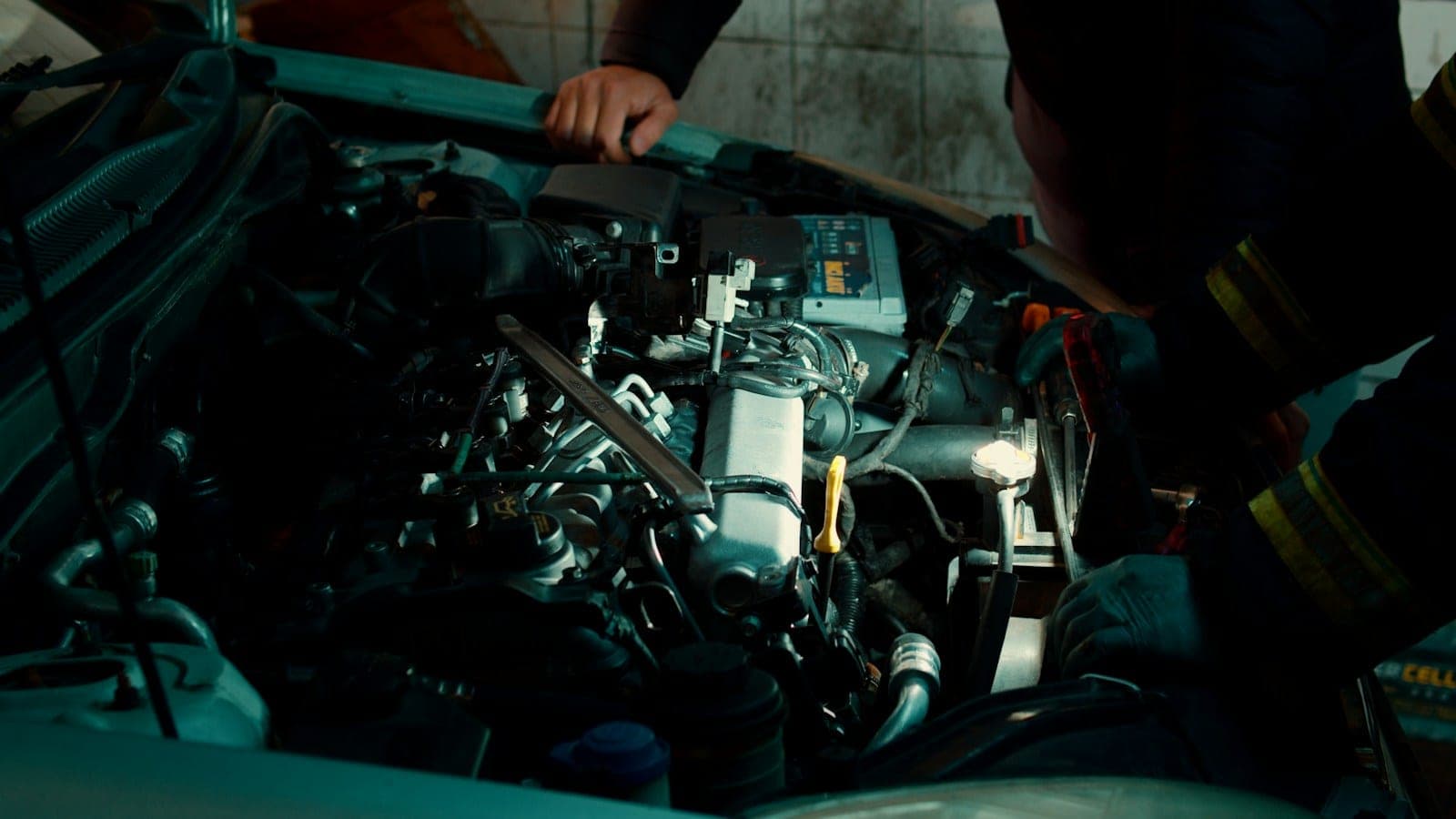
Most independent mechanics charge between $100 and $200 for a bumper-to-bumper inspection that takes 60–90 minutes, according to RepairPal's 2024 national average estimates. This typically includes a road test, a lift inspection, fluid condition checks, a scan-tool read of diagnostic trouble codes, and a written report. It's the sweet spot for mainstream sedans, trucks, and crossovers under 100,000 miles.
Dealership PPI
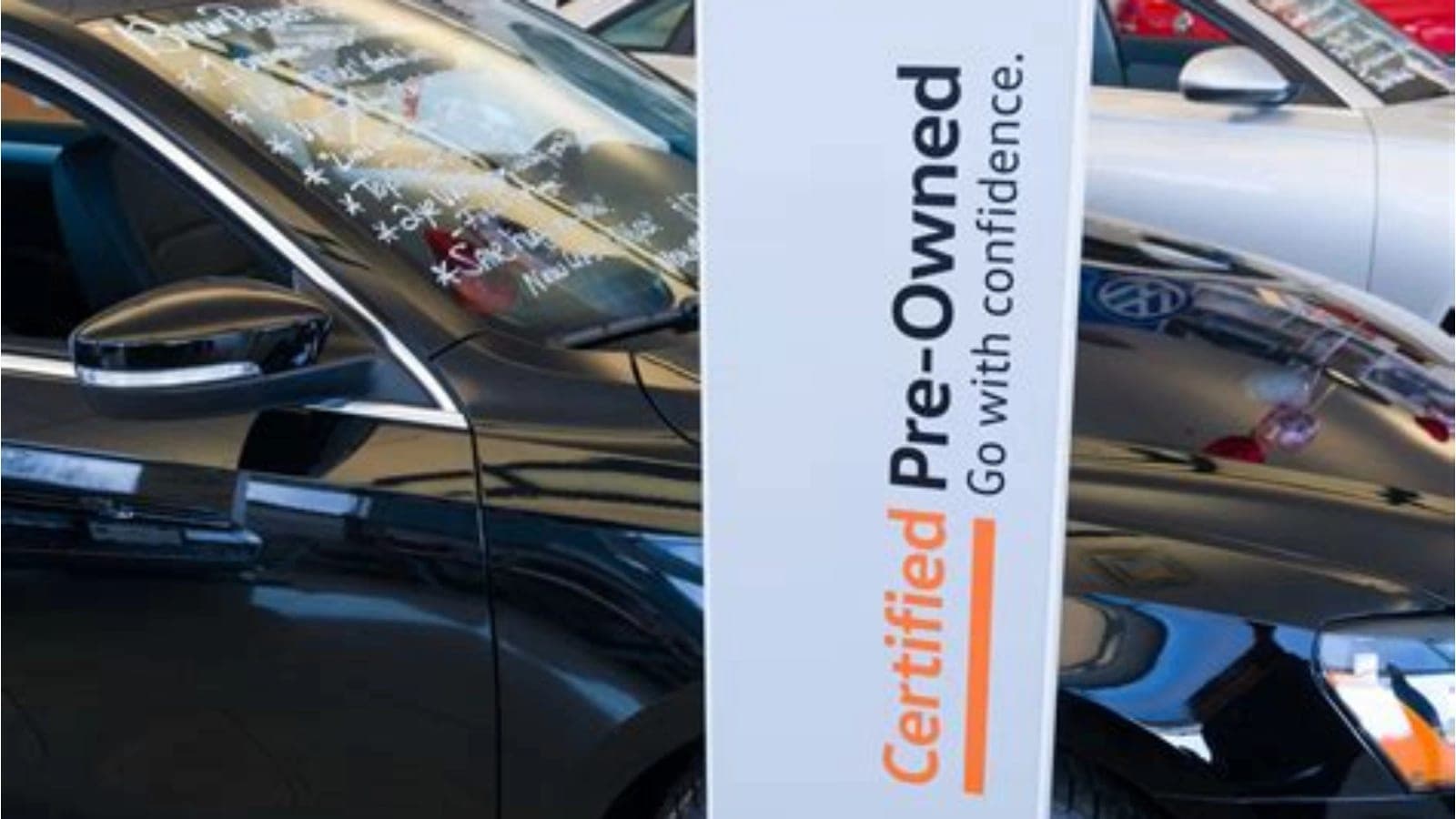
Franchise dealerships tend to charge $150–$300 for a multi-point inspection — sometimes marketed as a certified pre-owned evaluation. The premium buys brand-specific scan tools and techs trained on that make. It's worth considering for cars still under a factory powertrain warranty, since the dealership can verify warranty transfer eligibility at the same time.
Mobile and online-marketplace PPIs
Services like Lemon Squad and Carchex dispatch inspectors to the car's location. Prices typically range from $150–$250, per the companies' published rate cards. The convenience is obvious when buying long-distance, but mobile inspectors rarely have a lift — meaning undercarriage scrutiny is limited. Some online marketplaces, including Carvana, fold an inspection into the purchase process, though those reports favor the seller's interests.
Specialty and exotic-car PPIs
European luxury cars and anything with forced induction, air suspension, or complex AWD drivetrains warrant deeper inspections. Independent specialists — think a Porsche-only garage or a BMW indy — charge $300–$600 for a comprehensive PPI that may include a compression test or borescope, according to pricing surveys published by Rennlist and Bimmerpost forums. On a $40,000 used 911, that's 1.5% of the purchase price — cheap insurance against a $12,000 engine rebuild.
What a Standard PPI Covers
A competent PPI should tell you three things: what's broken now, what's about to break, and whether the car's been in a serious accident. Most shops follow a checklist similar to the ASE's recommended inspection procedure, which the National Institute for Automotive Service Excellence uses as a technician-certification benchmark.
- Engine and transmission: idle quality, fluid color, leak detection, scan-tool codes, and a short road test under load.
- Brakes: pad and rotor thickness measured in millimeters, caliper operation, brake-line condition.
- Suspension and steering: ball joints, tie-rod ends, bushings, shock absorbers — checked on a lift with the wheels off the ground.
- Body and frame: paint-meter readings for evidence of bodywork, panel-gap consistency, frame-rail inspection for rust, bends, or welds.
- Electrical systems: battery load test, alternator output, operation of lights, windows, HVAC, and infotainment.
- Tires: tread depth, age (DOT date code), and matching sizes across the set.
What a PPI does not cover is equally important. Inspectors won't tear into a transmission or pull the valve cover. Internal engine wear, transmission clutch-pack condition, and sealed-unit failures — like a torque converter starting to slip — often need specialized testing beyond a standard PPI's scope. That's where a vehicle history report adds a second layer: it can flag prior accident damage, title brands, and odometer discrepancies that a visual inspection alone might miss.
Cost vs. Risk: When the PPI Pays for Itself
The math here isn't complicated — but buyers skip it anyway. Consider a concrete scenario. You're looking at a 2017 Ford F-150 EcoBoost listed at $24,000 from a private seller. A PPI costs $175. The inspection uncovers a failing turbo wastegate actuator and a leaking rear axle seal. Repair estimates total $2,800.
Three outcomes are now possible. First, you negotiate the price down by $2,000–$2,800 — the seller knows you have leverage. Second, you walk away entirely and save yourself from a truck that may have deeper issues. Third, you buy it anyway, eyes open, budgeting for repairs. In every scenario, the $175 delivered value. The only way a PPI wastes money is if the car is perfect — and you still bought it at the same price you would have without the report.
The Consumer Federation of America has found that the average unexpected repair cost in the first year of used-car ownership exceeds $1,200. Compare that to a $150 inspection fee and the return on investment is obvious. The higher the car's price, the more asymmetric the payoff. On a $6,000 beater, you might debate it. On a $30,000 SUV, there's no rational argument against one.
When You Might Reasonably Skip a PPI
Not every transaction demands one. Here are the narrow scenarios where skipping can make sense — and the conditions that must be true.
- Certified pre-owned (CPO) vehicles from franchise dealers, which already pass a manufacturer-mandated inspection — typically 150–200 points, per NADA guidelines — and carry a factory-backed warranty.
- Cars under full factory warranty with low miles where the financial risk of an undetected problem is transferred to the manufacturer.
- Auction purchases where the terms explicitly prohibit PPIs (common at Copart and IAA) — here a VIN check and post-purchase inspection are your fallbacks.
- Very low-value cars under $3,000 where the PPI fee represents 5% or more of the total price — though even then, a $50 quick-look from a trusted mechanic can prevent a catastrophic buy.
How to Choose the Right Inspector
The PPI is only as good as the person performing it. A lazy check can give you false confidence — arguably worse than no inspection at all.
- Pick a shop that's independent of the seller. Never accept an inspection performed by the selling dealer's own service department. Conflict of interest is baked into that arrangement.
- Look for ASE-certified technicians. ASE certification isn't a guarantee of brilliance, but it establishes baseline competency. The National Institute for Automotive Service Excellence lists certified shops through its online directory.
- Ask whether they use a paint-thickness gauge. Shops that own one are more likely to catch prior accident repairs — a critical factor for resale value and structural safety.
- Request a written report with photos. Verbal summaries are useless in a negotiation. You want measurements, part numbers, and images you can show the seller.
- For European or specialty vehicles, choose a marque-specific shop. A general mechanic may not recognize a failing Mechatronic unit on a BMW or a leaking IMS bearing on a Porsche — problems that cost $3,000–$8,000 to fix.
How to Use PPI Results in Negotiation
A PPI report is a negotiating document, not just a diagnostic one. Sellers — especially private parties — often set prices based on comparable listings, not the car's actual mechanical condition. The report introduces objective evidence into what is otherwise a feelings-based conversation.
Focus on safety and imminent-failure items first. A worn serpentine belt is a $120 fix — not a strong negotiating lever. But worn brake pads at 2mm, a leaking CV boot, or a check-engine light pointing to a catalytic converter fault are items that will cost hundreds to thousands of dollars. Present the repair estimates from your mechanic and ask for a dollar-for-dollar reduction.
Private-party sellers are often more flexible than dealers here. Dealers have reconditioning budgets already factored in — they know the car's issues. But a private seller listing a car 'as-is' may not have known about a $900 control-arm replacement lurking underneath. The FTC's Used Car Rule requires dealers to display a Buyers Guide disclosing whether the vehicle is sold with a warranty or 'as-is,' but it doesn't apply to private-party sales. That asymmetry makes the PPI even more critical in private deals.
PPI vs. Vehicle History Report: Do You Need Both?
Yes — and they answer different questions. A PPI tells you what the car looks like today: mechanical health, body condition, and drivability. A vehicle history report — drawn from data sources including NMVTIS, state DMV records, and insurance claims — tells you what happened to the car before today. Title brands like 'salvage,' 'flood,' or 'rebuilt' appear in the history report, not under the hood.
Consider the blind spots. A PPI won't reveal that the car was titled as a total loss in another state, then retitled with a clean brand after crossing a border — a practice known as title washing. The National Motor Vehicle Title Information System (NMVTIS) was specifically created to combat this, but only a VIN check accesses that database. Conversely, a clean history report won't tell you the transmission is slipping or the frame rails are rotting from road salt. You need both tools.
What to Do if the Seller Refuses a PPI
Walk away. Seriously. A seller who won't allow an independent inspection is either hiding something or doesn't understand how used-car sales work — and neither scenario favors you. Some sellers worry about their time being wasted, which is fair. Offer to schedule the PPI at a nearby shop during the test drive, minimizing inconvenience. If they still refuse, that tells you everything the inspection would have.
Buy-here-pay-here (BHPH) dealers are a common exception — many don't allow PPIs as a matter of policy because their business model depends on selling cars quickly at high markups with in-house financing. According to the Center for Responsible Lending, the average BHPH loan carries an APR of approximately 22%, and the vehicles sold often have undisclosed mechanical issues. If a BHPH lot won't allow a PPI, you're shouldering all the risk.
Red flag: "It was already inspected"
A seller claiming the car already passed inspection — whether a state safety inspection or their own shop's check — is not a substitute for your independent PPI. Their mechanic works for them. Your mechanic works for you. The $150 difference is whose interests are being protected.
Sample PPI Price Comparison by Provider
To put everything in context, here's how common PPI options stack up. Prices reflect 2024 national averages from published rate cards and industry surveys by RepairPal and AAA.
- Independent mechanic (general): $100–$200 — best value for mainstream vehicles, includes lift access.
- Franchise dealership: $150–$300 — worthwhile for brand-specific diagnostics and warranty verification.
- Mobile inspection service (Lemon Squad, Carchex): $150–$250 — convenient for remote purchases, limited undercarriage access.
- Marque specialist (independent): $300–$600 — essential for European luxury, sports cars, or vehicles with complex drivetrains.
The sweet spot for most buyers is an independent ASE-certified shop charging around $150. That's less than one monthly car payment on the average used-car loan — which, according to Experian's Q1 2024 State of the Automotive Finance Market report, sits at $525 per month. Spending 29% of one payment to validate the next 60 payments is a bargain by any measure.
Making the Decision: A Simple Framework
If you're still on the fence, apply this rule of thumb. Calculate 1% of the car's asking price. If the PPI costs less than that — and it almost always will — get the inspection. A $200 PPI on a $20,000 car is exactly 1%. The only scenario where the economics get questionable is on sub-$3,000 vehicles, and even then, the potential downside of buying a car with hidden transmission failure or undisclosed flood damage dwarfs the inspection fee.
Think of it this way. You wouldn't buy a house without an inspection — and cars are the second-largest purchase most Americans make. The Federal Reserve's 2023 Survey of Consumer Finances reports that the median transaction price for a used vehicle exceeded $28,000. Skipping a $150 inspection on a five-figure asset isn't frugal. It's reckless.
What to do next
Before scheduling a PPI, run a VIN check on the car to screen for title brands, accident history, and odometer flags. If the history looks clean, book a PPI at an independent ASE-certified shop near the car's location. Bring the history report to the inspection so your mechanic can look for evidence that matches — or contradicts — the car's documented past.
CarCheckerVIN Editorial Team
In-house automotive research team
The CarCheckerVIN editorial team combines decades of automotive industry, dealer, and journalism experience to produce trustworthy buying, selling, and ownership guidance backed by NMVTIS, NICB, and manufacturer data.
Frequently asked questions
- Is a pre-purchase inspection worth it?
- Almost always yes. The Consumer Federation of America has found that average unexpected first-year repair costs for used cars exceed $1,200. A PPI costs $100–$300 and can reveal those problems before you buy — letting you negotiate the price down, budget for repairs, or walk away entirely. The only situation where skipping makes sense is a CPO vehicle with a factory-backed warranty, where the manufacturer has already absorbed the inspection and repair risk.
- What is the $3000 rule for buying cars?
- The $3,000 rule is an informal guideline suggesting that if a car costs under $3,000, the PPI fee — typically $100–$200 — represents such a high percentage of the purchase price that some buyers skip it. However, cheap cars often carry the greatest mechanical risk. A better approach is a quick-look inspection for $50–$75 from a trusted mechanic, screening for catastrophic problems like a blown head gasket or structural rust that would make the car worthless.
- How long does a PPI on a car take?
- A standard PPI takes 60 to 90 minutes at most independent shops, according to AAA's recommended service guidelines. More complex inspections — particularly on European luxury vehicles or cars requiring compression tests and borescope evaluations — can take two to three hours. Mobile inspections tend to run 45–75 minutes since the inspector lacks lift access. Plan to leave the car for at least two hours to give the mechanic adequate time for a road test and written report.
- Is a PPI worth it?
- A PPI is worth it on virtually any used car priced above $5,000. The inspection fee typically runs 0.5–1.5% of the vehicle's purchase price — a fraction of what even a single major repair would cost. Beyond catching mechanical defects, a PPI gives you documented leverage to negotiate the price and reveals prior accident repairs that affect safety and resale value. Pair it with a vehicle history report for the most complete picture of the car's condition.
Ready to check a VIN?
Run a free VIN check
Decode any vehicle in under 60 seconds.