Why Used Car Prices Drop in July (And When to Pounce)
Used car prices reliably soften in July and August as dealers clear inventory for new model-year arrivals. Here's the pattern, the reasons, and when to actually pounce.
Check the car you're reading about
Free VIN decode and recall check
Factory specs and open NHTSA recalls in seconds. No sign-up.
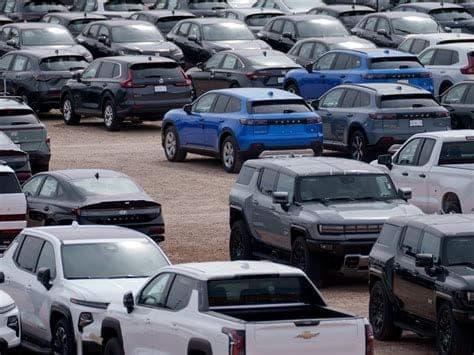
Used car prices in the United States follow a remarkably consistent seasonal pattern. Year after year, the wholesale and retail price indices show the same shape: a peak in the spring (tax-refund-driven demand colliding with limited supply), a plateau through early summer, then a 3-6% softening through July and August as dealers begin clearing aging inventory to make room for the autumn arrival of new model-year vehicles.
For buyers, that means there's a real, measurable window when prices are softer than at any other time of the calendar year — and dealers have unusual flexibility on margin. Here's why the pattern happens and how to take advantage of it.
The window
Mid-July through Labor Day weekend is the sweet spot. Dealers' aging-inventory pressure peaks in the last 60 days before autumn floor plan rotation. Combine that timing with end-of-month and end-of-quarter close pressure for stackable leverage.

The structural cause: dealer floor plan rotation
Used car dealers don't typically own their inventory outright. Most finance their inventory through a 'floor plan' — a short-term revolving credit facility from a lender (Chase, NextGear, AFC) that charges interest by the day for every vehicle on the lot. A typical used vehicle costs the dealer $8-15 per day in floor plan interest while it sits.
The math gets ugly fast for aged inventory. A car that's been on the lot 90 days has cost the dealer $720-1,350 in interest alone, plus depreciation, insurance, and lot-handling costs. At day 60, the dealer is feeling pressure. At day 90, the math is screaming. By day 120, the dealer is often willing to take a small loss just to get the car off the floor plan.
Why summer specifically
Three forces converge between mid-July and late August to amplify aging-inventory pressure:
1. Autumn model-year changeover
New-vehicle inventory begins arriving at franchised dealers in August and September. New cars sold means trade-ins absorbed — which means used-car departments need empty space to receive them. The cars that have been sitting longest on the used lot have to go first.
2. Tax-refund demand fades
The biggest demand surge of the year for used cars comes in late February through April, fueled by tax-refund spending. That demand pulls inventory rapidly. By July, the tax-season buyers have largely been absorbed; remaining demand is more rational and price-sensitive.
3. Auction-supply lift
Wholesale auctions see increased supply in summer as rental car companies cycle out fleet vehicles. Dealers can replace cleared inventory cheaply at auction, which both increases supply on the retail lot and gives dealers more confidence to take aggressive trade-in offers.

Which segments soften most
- Convertibles and roadsters — counterintuitive but real: by July most convertible buyers have already bought, leaving dealers stuck with inventory until next spring.
- Larger SUVs and minivans — family-vehicle buyers are typically settled before summer travel begins.
- Trucks — pickup demand spikes around tax season and during construction-season fleet purchases (typically Q1 and Q4); summer is the soft window.
- Higher-mileage vehicles (over 80,000 miles) — these turn slowest in any season and feel the aging pressure most.
- Aged trade-ins from spring tax-season sales — many spring trade-ins are still on the lot in July.
Which segments don't soften (or soften less)
- Compact and fuel-efficient cars — gas-price sensitivity props up demand year-round, especially in summer.
- Recent model-year (1-2 years old) certified pre-owned — supply is constrained and demand from lease-up buyers is steady.
- Specialty performance and collector vehicles — these follow their own calendar tied to events and shows.
- Very low-mileage examples of popular models — always priced at a premium regardless of season.
The buyer's playbook
1. Identify aging inventory before you visit
Most dealer websites display the date a vehicle was listed (or 'days on lot'). When browsing, sort by oldest first. Aim for vehicles that have been on the lot 60+ days. Those are the cars the dealer is feeling most pressure to move.
2. Time your visit
End of month (last 3-5 days) and end of quarter (last week of June, September, December) intensify the dealer's incentive to move metal. Late July through end of August stacks the summer-clearance dynamic on top of normal end-of-month pressure. The strongest single window is the last week of August.
3. Lead with a fair number, not a lowball
Negotiation in this environment isn't about insulting the dealer; it's about being the buyer they want to take a thin margin from to clear inventory. Show up with a printout of three comparable listings (KBB, AutoTrader, CarGurus) and a respectful opening offer that reflects what those comparables are actually transacting at.
4. Run the VIN history report before the negotiation
Pull a VIN history report on the specific car you're considering. If there are any meaningful items in the history (a minor accident, a previous total-loss event, multi-state title hopping), use them as legitimate negotiating points. "I'm comfortable with the moderate front-end accident from 2022, but it does reduce comparable value by about $1,500 — can we work toward that number?"
5. Don't bring trade-in pressure into the cash deal
Negotiate the cash price of the car you're buying first, separately from any trade-in. Once you have the cash price agreed, then discuss trade-in. Mixing the two negotiations is how dealers obscure where the actual savings (or non-savings) are coming from.
6. Walk if the deal doesn't close
Inventory pressure is real but it's not infinite. If a dealer won't move on a 90-day-aged unit at the end of July, that's a signal they're either confident they can hold the price or they have specific cost basis constraints. Walk. There are plenty of other aged units at plenty of other dealers in the same window.
The 'we'll lose money on this' line
Almost every dealer will tell you at some point that they'd 'lose money' on the deal at your number. Take it with a grain of salt. The 'cost basis' the dealer is quoting often doesn't include the floor plan interest they've already eaten, the depreciation they've already absorbed, and the cost of continuing to hold the car. A genuine loss-leader sale is rare; what's common is a deal that's less profitable than the dealer would prefer.
Beyond July: the full year of timing windows
- Late February–April — worst time to buy (tax-refund demand surge, lowest dealer flexibility).
- May–June — slightly softer than spring peak; new-car-shopper trade-ins start arriving.
- July–August — best window of the year for used cars.
- September–October — model-year changeover lifts new-car incentives, which can push trade-in values down (good if you're buying without trading; mixed if you are).
- November–December — slow buyer traffic, but limited inventory; year-end push can yield specific deals if you're flexible on the exact car.
- January — quiet, modestly soft prices.
Watch the macro indicators
Two free public data sources track used-car prices in close to real time:
- Manheim Used Vehicle Value Index — published monthly by Cox Automotive; tracks wholesale prices that flow through to retail with about a 60-day lag.
- Edmunds + KBB market reports — published quarterly; track retail transaction prices by segment.
Watching these lets you spot whether the seasonal pattern is holding in any given year. Years with abnormal supply shocks (semiconductor shortages, fleet returns, dramatic rate changes) can scramble the normal pattern.
What to do next
If you're shopping for a used car this summer, identify 2-3 specific vehicles you want, find dealers with aged inventory examples (60+ days on lot), and time a visit in late July or August. Combine the seasonal window with end-of-month timing for the strongest negotiating position of the year.
About the author
CarCheckerVIN Editorial Team
In-house automotive research team
The CarCheckerVIN editorial team combines decades of automotive industry, dealer, and journalism experience to produce trustworthy buying, selling, and ownership guidance backed by NMVTIS, NICB, and manufacturer data.
Keep reading

Most Reliable Used Cars: How to Pick One Without Getting Burned
Reliability isn't a sticker on the window — it's a track record you have to dig for. Here's how to find the most reliable used cars at every budget, backed by real data.
Sep 30, 2026 · 12 min read

Cheapest Classic Cars To Insure: An Investigative Look at Premiums, Models, and Hidden Costs
Classic car insurance can cost far less than standard auto coverage—but only if you pick the right vehicle and the right carrier. Here's what the numbers actually show.
Sep 27, 2026 · 10 min read

Cheapest Cars To Insure: An Investigative Look at What Actually Lowers Your Premium
Which vehicles actually cost the least to insure in 2025? We dug into insurer loss data, IIHS crash ratings, and NHTSA theft stats to separate marketing fluff from real savings.
Sep 27, 2026 · 9 min read