Best Rated Used SUV to Buy: A No-Nonsense Guide for Smart Shoppers
Not every "award-winning" SUV holds up at 80,000 miles. We cut through the badge-polishing to show you which used SUVs are actually worth your money—and which ones aren't.
On this page
- Why the Best Rated Used SUV to Buy Isn't Always the Cheapest One on the Lot
- The Reliability Tier List: Where the Data Actually Points
- Title Brands and NMVTIS: The Paperwork You Cannot Skip
- Cost vs. Risk: The Decision Framework With Actual Numbers
- Five SUVs That Consistently Earn Top Marks
- SUVs to Approach With Extreme Caution
- What to Check Before You Sign Anything
- Extended Warranties and Service Contracts: Read Before You Sign
- Auctions, BHPH Lots, and Private Party: Knowing Your Arena
- Hybrid and Electric SUVs: The Used-Market Reality Check
You're staring at a private-party listing, a dealer lot, or maybe a Copart auction page, trying to figure out which vehicle won't eat your savings in repair bills eighteen months from now. Finding the best rated used SUV to buy isn't about picking the one with the flashiest press release—it's about cross-referencing reliability records, ownership costs, and the title history sitting behind that cheerful exterior. The used SUV market is enormous: according to Cox Automotive's most recent annual report, SUVs and crossovers account for roughly 48 percent of all used vehicle sales in the United States, which means the options are genuinely overwhelming and the bad apples are numerous. This guide exists to help you make a real buy decision, not just admire the segment.
The short answer
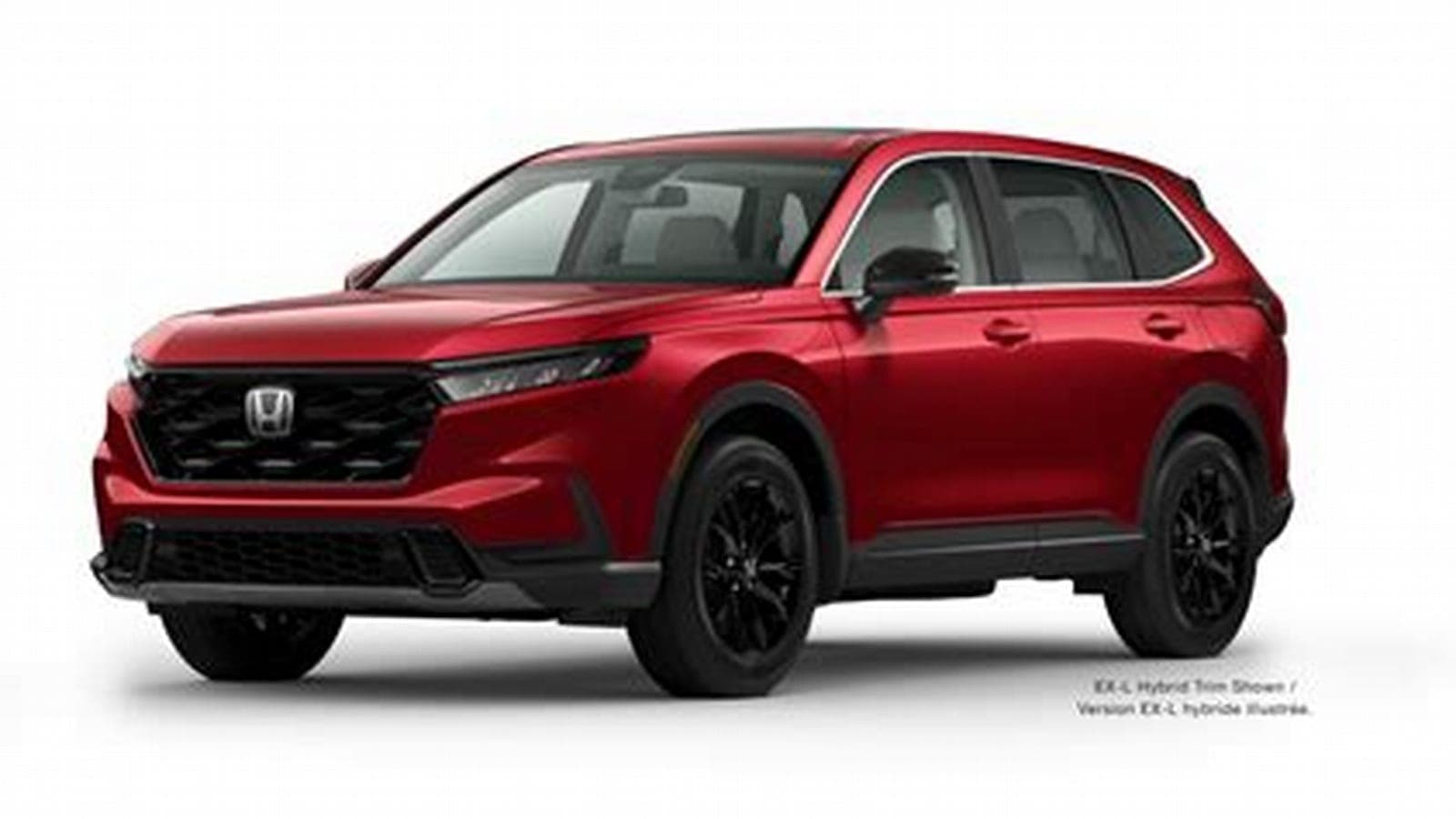
For most buyers, a certified pre-owned Toyota RAV4 (2019 or newer) or a Honda CR-V (2017 or newer) offers the best combination of proven reliability, affordable parts, and resale value protection—but your budget, family size, and tow needs may shift that answer, so read on.
Why the Best Rated Used SUV to Buy Isn't Always the Cheapest One on the Lot
Sticker price and total cost of ownership are two completely different conversations. A $14,000 used SUV that needs $4,000 in deferred maintenance within the first year is not a deal—it's a layaway plan for stress. iSeeCars research published in their annual depreciation report found that some three-row SUVs lose more than 60 percent of their original MSRP within five years, which sounds great until you realize the repair bills scale with that complexity. Meanwhile, a compact crossover with a clean service history and a reasonable private-party price can be the used suv best buy for buyers who plan to keep it six or more years.
The math that actually matters is total cost per mile. Factor in purchase price, expected fuel costs (the EPA's fueleconomy.gov database lets you compare combined MPG by model year for free), insurance, and projected repairs based on RepairPal's annual reliability scores. Do that math before you fall in love with a badge.
The Depreciation Sweet Spot
The sharpest depreciation hit for most SUVs happens in years one through three. Buying at the three-to-five-year mark means the original owner absorbed that loss, while you still get a vehicle well inside its mechanical prime. For popular models like the Toyota RAV4 and Honda CR-V, that window typically puts you in the $22,000–$28,000 range at a franchise dealer, according to recent Kelley Blue Book Fair Purchase Price data—a meaningful discount from the $33,000–$37,000 new-car equivalent.
The Reliability Tier List: Where the Data Actually Points
Consumer Reports has tracked owner-reported problems for decades, and their annual reliability survey consistently surfaces the same handful of nameplates at the top. Toyota and Honda dominate the compact and midsize SUV categories year after year—not because of marketing muscle, but because their powertrains are genuinely over-engineered for longevity. The Toyota RAV4 earned a predicted reliability score of 5 out of 5 from Consumer Reports in their most recent survey, the highest tier available. The Honda CR-V and Mazda CX-5 follow closely, with both routinely scoring above the industry average in owner satisfaction and below-average in unplanned repair visits.
In the three-row segment, the Toyota Highlander stands out as a best used suv to purchase if you need seven seats without the fuel penalty of a body-on-frame truck SUV. Its V6 and newer turbocharged four-cylinder variants have posted strong long-term records. The Kia Telluride and Hyundai Palisade, introduced for the 2020 model year, have racked up strong initial reliability marks, though their longer-term record (past 100,000 miles) is still accumulating.
Compact vs. Midsize: Picking the Right Class for Your Life
Compact crossovers (RAV4, CR-V, CX-5, Escape) cost less to insure, park more easily, and return better fuel economy. Midsize SUVs (Highlander, Pilot, Palisade) haul more people and stuff but carry higher insurance premiums and steeper repair costs when something does go wrong. Know which problem you're actually solving before you upsize.
Title Brands and NMVTIS: The Paperwork You Cannot Skip
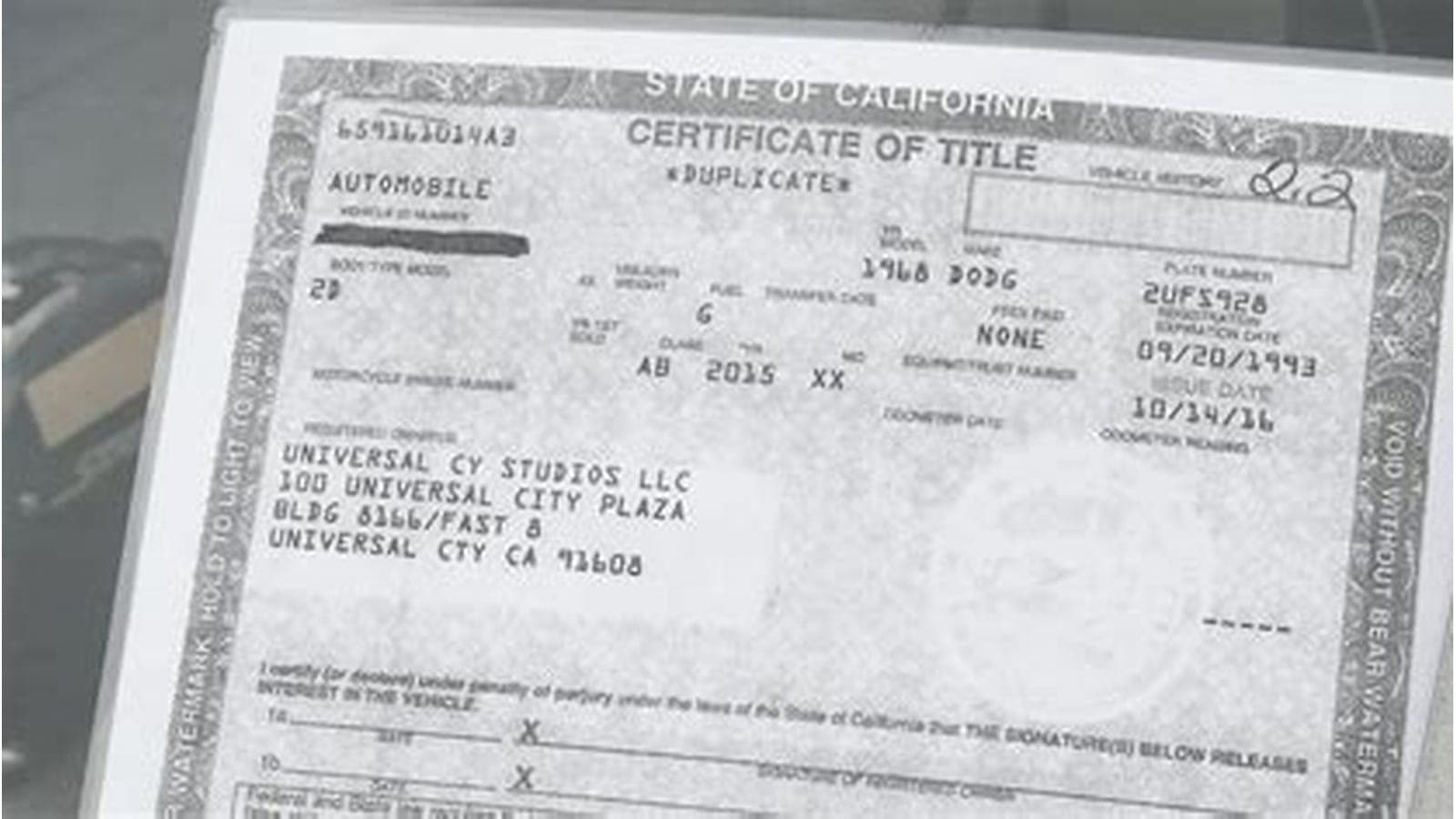
The National Motor Vehicle Title Information System, administered by the U.S. Department of Justice, aggregates title brand data from all 50 state DMVs. A salvage brand, flood brand, or junk designation can legally follow a vehicle forever—and dealers at independent lots or buy-here-pay-here operations are not always forthcoming about these. Under the FTC Used Car Rule (16 CFR Part 455), dealers are required to display a Buyers Guide disclosing warranty terms, but that guide says nothing about title history. That's your job to verify with a vehicle history report before you hand over a deposit.
Copart and IAA regularly auction flood-damaged SUVs—many of which are repaired and re-titled in states with looser branding requirements, a process sometimes called title washing. The NMVTIS database is designed to catch this, but it is only as good as state reporting compliance, which varies. A VIN check against multiple data sources is the only practical defense.
Cost vs. Risk: The Decision Framework With Actual Numbers
Here is the explicit trade-off table every buyer needs to work through. A certified pre-owned (CPO) Toyota RAV4 from a franchise dealer might run $28,000–$31,000, but it comes with Toyota's CPO warranty covering 7 years or 100,000 miles from the original sale date—whichever comes first, according to Toyota's published CPO program terms. That warranty transfers and includes roadside assistance. The trade-off: you pay a $2,000–$4,000 premium over private-party market value for that coverage.
A private-party RAV4 with 55,000 miles might come in at $24,500, saving you real money upfront. The risk: no warranty, no dealer inspection protocol, and you are entirely dependent on your own pre-purchase inspection (PPI) by an independent mechanic—which should cost $100–$150 according to RepairPal's labor rate data and is non-negotiable. If the inspection reveals $1,800 in upcoming maintenance (timing service, brake fluid flush, tires), your "cheaper" vehicle is already within $500 of the CPO price—without the warranty.
The math tips toward CPO when: you are buying a vehicle with more than 50,000 miles, you have limited mechanical knowledge, or you are in a state where lemon law protections for used vehicles are thin. It tips toward private party when: you have a trusted mechanic, the vehicle has verifiable service records, and you can self-insure against a $1,500–$2,000 repair without financial crisis.
Five SUVs That Consistently Earn Top Marks
These are not the newest or the most exciting vehicles on the market. They are the ones that show up repeatedly in long-term owner surveys with minimal drama. Consider this a shortlist for your research, not a ranked gospel.
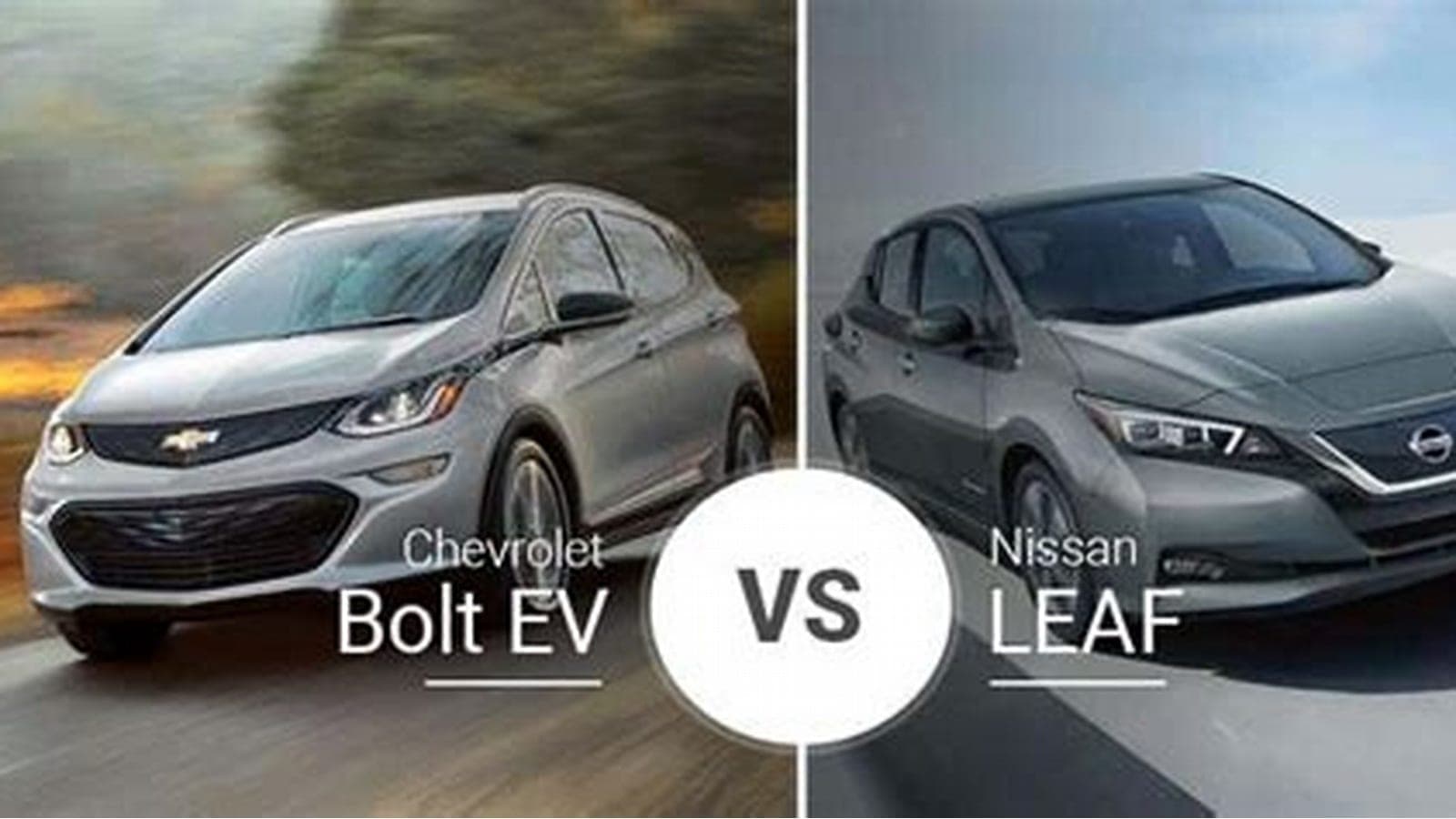
- Toyota RAV4 (2019–present): Consistently scores 4–5 out of 5 in Consumer Reports predicted reliability; hybrid variant adds resale value and fuel savings averaging 38 MPG combined per EPA data.
- Honda CR-V (2017–present): RepairPal gives the CR-V an overall reliability rating of 4.5 out of 5.0, one of the highest in the compact SUV segment, with average annual repair costs around $407.
- Mazda CX-5 (2017–present): Punches above its weight class in interior quality; Consumer Reports marks it above average in reliability with low owner-reported problem frequency.
- Toyota Highlander (2020–present): Ideal three-row pick for buyers who want reliability at scale; Toyota's longevity reputation extends to this platform with documented 200,000-mile examples common in fleet reports.
- Subaru Forester (2019–present): Best-in-class all-wheel drive standard on every trim; J.D. Power's Vehicle Dependability Study has ranked it above segment average in recent cycles, though head gaskets on older generations are a known watch item.
SUVs to Approach With Extreme Caution
Some SUVs earn awards in automotive press that have absolutely no relationship to what happens after 60,000 miles. The Chevrolet Traverse (2018–2022 generation) has been flagged in NHTSA complaint data for transmission shudder issues that General Motors addressed through a technical service bulletin—but TSBs are not recalls and are not always completed before a vehicle changes hands. Check NHTSA's safercar.gov complaint database by model year before committing to any American three-row.
The Nissan Rogue (2014–2020) earned a reputation for CVT transmission failures that have generated thousands of NHTSA complaints. Nissan extended the CVT warranty on certain model years to 84 months or 84,000 miles following documented failure rates, but many of those vehicles are now beyond that coverage window. The Land Rover Discovery and Range Rover Sport are aspirationally priced used—often appearing at $30,000–$40,000—but RepairPal data shows average annual repair costs exceeding $1,400 for Land Rover vehicles, more than double the industry average. They are a used suv best buy only if your definition of "best" includes a standing relationship with a Land Rover specialist.
What to Check Before You Sign Anything
A systematic pre-purchase process is what separates buyers who get lucky from buyers who manufactured their own luck. Start with the VIN check and vehicle history report to screen for title brands, odometer rollbacks, and open safety recalls. Then move to the physical inspection.
- Pull the vehicle history report and run a VIN check to verify ownership history, accident disclosures, and NMVTIS title brand status before scheduling a test drive.
- Search NHTSA's safercar.gov for open recalls by VIN — dealers are legally required to complete recall repairs at no charge, but private sellers are not.
- Hire an independent mechanic for a pre-purchase inspection; budget $100–$150 and treat it as mandatory, not optional.
- Review the FTC Buyers Guide displayed on the window: 'As Is' means zero dealer warranty obligation once you drive off the lot.
- Verify the odometer disclosure statement, which federal law (49 U.S.C. § 32705) requires the seller to provide in writing for vehicles under ten years old.
- Check insurance quotes before you buy — comprehensive and collision rates vary significantly by model, and some SUVs cost 20–30 percent more to insure than comparably priced alternatives, per III (Insurance Information Institute) data.
Extended Warranties and Service Contracts: Read Before You Sign
Third-party extended warranties—technically called vehicle service contracts under FTC guidelines—are a $40 billion industry in the United States, and the quality varies wildly. The FTC has brought enforcement actions against multiple VSC providers for deceptive claims and failure to pay covered repairs. Before buying any aftermarket service contract, verify that the administrator is backed by a licensed insurance carrier (ask for the insurer's name and AM Best rating), read the exclusions list, and confirm whether the contract is transferable if you sell.
Manufacturer CPO warranties are a different and generally superior product. They use the same repair network as new-car warranties, are backed by the automaker, and have clearly defined terms. If an independent dealer offers you a "CPO-like" warranty, that phrase means nothing—only vehicles certified through the brand's official franchise network carry true CPO coverage. For a vehicle like the Toyota RAV4 or Honda CR-V, a manufacturer CPO program is almost always a better value than a third-party contract at a comparable price point.
Auctions, BHPH Lots, and Private Party: Knowing Your Arena
Where you buy shapes your risk as much as what you buy. Franchise dealerships offer CPO programs, recourse under state lemon laws (which vary—California's Song-Beverly Act is among the strongest, while other states offer thinner used-car protections), and FTC Buyers Guide compliance. Independent dealers operate under the same Buyers Guide rule but typically sell "as is" without CPO options. Buy-here-pay-here lots often serve buyers with bruised credit and charge interest rates that can legally exceed 20 percent APR in states without rate caps—the vehicle is almost always secondary to the financing structure.
Copart and IAA public auctions sell vehicles with disclosed damage grades, but "disclosed" and "fully understood" are not the same thing. Unless you have mechanical expertise or a trusted pre-bid inspector, auction purchases of SUVs are not the best used suv to purchase strategy for most buyers. The savings can be real—20 to 40 percent below retail on clean-title vehicles is not unusual—but the information asymmetry is significant and the "all sales final" terms leave you holding the bag on any surprises.
Hybrid and Electric SUVs: The Used-Market Reality Check
Used hybrid SUVs are increasingly attractive as gas prices fluctuate, and the Toyota RAV4 Hybrid's reliability record has proven strong in early high-mileage reports. However, battery health is a legitimate concern for any used EV or plug-in hybrid. The federal government's Alternative Fuels Data Center notes that most hybrid battery warranties run 8 years or 100,000 miles (10 years and 150,000 miles in California-emissions states under CARB rules), but many used vehicles are approaching or past those thresholds.
For a used plug-in hybrid (PHEV) SUV like the Ford Escape PHEV or Jeep Grand Cherokee 4xe, request a battery state-of-health readout from a dealer scan tool before purchasing. A battery replacement on a PHEV can run $5,000–$15,000 depending on the vehicle, completely erasing any fuel savings for years. The RAV4 Hybrid (non-plug-in) has a simpler battery system and a significantly cheaper replacement cost, which is one reason it consistently appears near the top of used hybrid SUV shortlists.
Watch Out for Flood-Damaged SUVs
After major weather events—hurricanes, floods—tens of thousands of damaged SUVs re-enter the used market, sometimes with laundered titles. NMVTIS is your first line of defense, but always inspect for musty odors, corrosion under seats, and sediment in door sills. A vehicle history report screens title brands, but a physical inspection by a mechanic with a lift is the final word.
What to do next
Narrow your list to two or three models from the reliability tier above, then run a VIN check and pull a vehicle history report on any specific vehicle before you set foot on a lot or respond to a listing—screening out title-branded and high-accident vehicles first saves you from wasting time (and hope) on deals that were never deals.
CarCheckerVIN Editorial Team
In-house automotive research team
The CarCheckerVIN editorial team combines decades of automotive industry, dealer, and journalism experience to produce trustworthy buying, selling, and ownership guidance backed by NMVTIS, NICB, and manufacturer data.
Frequently asked questions
- What is the best SUV to buy second hand?
- For most buyers, the Toyota RAV4 (2019 or newer) is the single strongest answer: Consumer Reports gives it top predicted reliability scores, parts are widely available and affordable, and the hybrid variant holds value exceptionally well. The Honda CR-V is a close second. Both offer manufacturer CPO programs through franchise dealers, which adds meaningful warranty protection when buying used.
- What is the most reliable SUV to purchase used?
- The Toyota RAV4 and Mazda CX-5 consistently rank at the top of Consumer Reports' reliability surveys in the compact SUV segment. In the midsize category, the Toyota Highlander is the standout. All three have documented histories of reaching 150,000–200,000 miles with routine maintenance—which is the only honest definition of "most reliable" that actually matters at purchase time.
- What are the 5 worst SUVs to avoid?
- Based on NHTSA complaint data and RepairPal cost records: (1) Nissan Rogue 2014–2020 for CVT failures, (2) Chevrolet Traverse 2018–2022 for transmission shudder and electrical complaints, (3) Land Rover Discovery/Range Rover Sport for repair costs exceeding $1,400 annually, (4) Jeep Cherokee 2014–2018 for persistent powertrain issues, and (5) Ford Explorer 2011–2017 for exhaust intrusion complaints logged with NHTSA.
- What SUV has the least amount of problems?
- The Mazda CX-5 regularly posts the fewest owner-reported problems per Consumer Reports' annual owner survey among compact SUVs. The Toyota RAV4 Hybrid is a close competitor. RepairPal rates the Honda CR-V at 4.5 out of 5.0 for reliability with average annual repair costs around $407—well below the industry average—making it a strong candidate for fewest unexpected problems over time.
Ready to check a VIN?
Run a free VIN check
Decode any vehicle in under 60 seconds.