Used Car Prices Dropping: What Smart Buyers Should Do Right Now
Used car prices are finally softening after years of pandemic-era spikes. Here's where the deals are, which segments still carry premiums, and how to time your move without overpaying.
On this page
- How Far Used Car Prices Have Actually Dropped
- Why Used Car Prices Are Dropping Right Now
- Where the Real Deals Are — and Where They Aren't
- Timing Your Purchase: Buy Now or Wait?
- Cost vs. Risk: Weighing a Cheaper Car Against a Riskier One
- How to Negotiate in a Falling Market
- The EV Wild Card
- Title Issues Lurking Behind Low Prices
- Financing in a High-Rate Environment
- What Happens Next: The 2025 Outlook
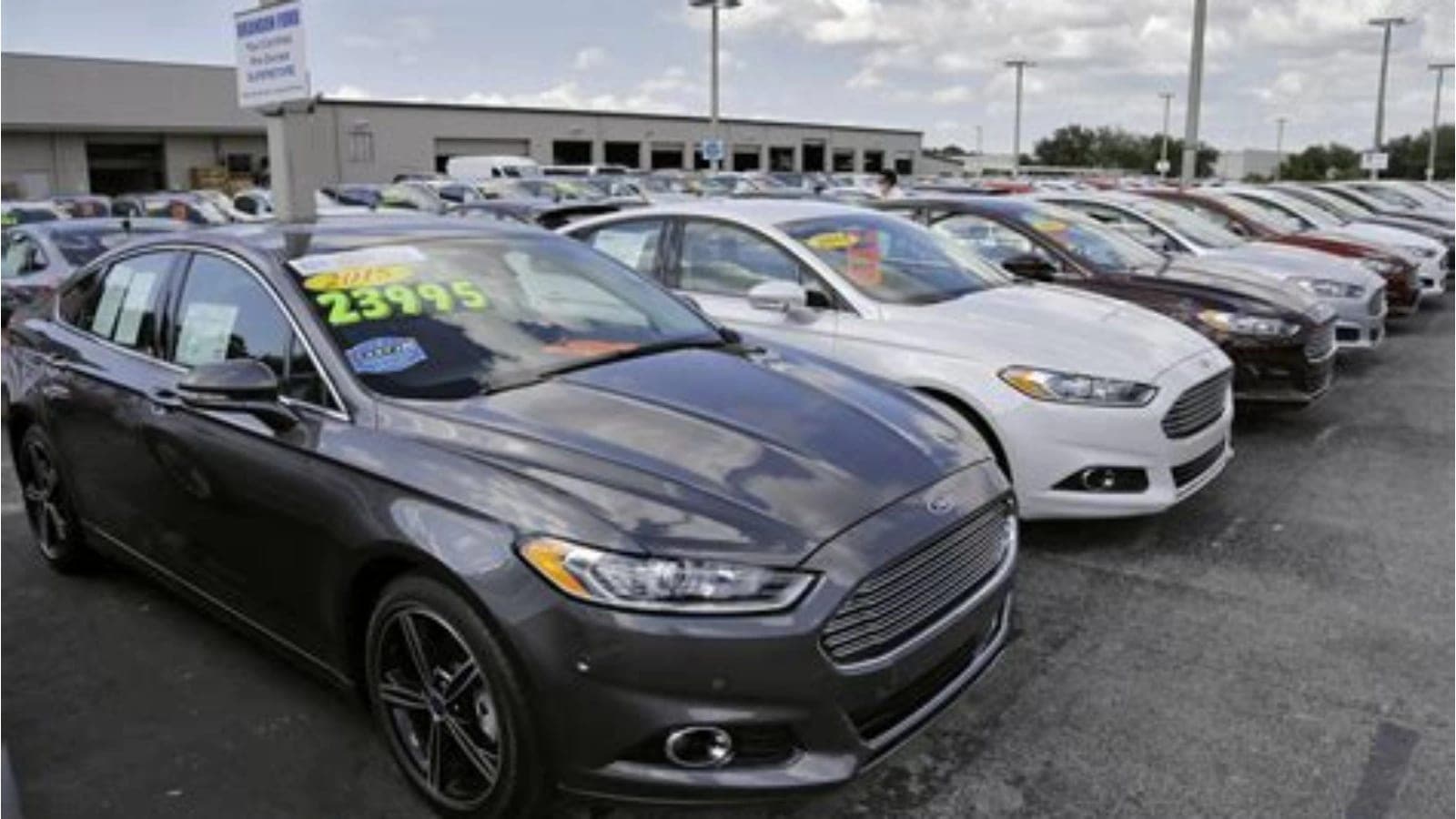
If you've been waiting out the insane seller's market that started in 2021, the data is finally on your side. Used car prices dropping isn't just a headline anymore — it's showing up on windshield stickers at dealerships, in auction lanes, and on private-party listings across the country. The Manheim Used Vehicle Value Index fell roughly 14% from its January 2022 peak through late 2024, according to Cox Automotive's monthly reporting. That translates to real dollars off the price of a three-year-old sedan or a five-year-old SUV. But — and this matters — prices haven't cratered uniformly. Some segments are bargains. Others are stubbornly expensive. The difference between a smart buy and a mediocre one right now comes down to knowing where the softness actually is and how to press your advantage.
The short answer
Used car prices have declined meaningfully from their 2022 highs, but they remain above pre-pandemic levels. Buyers shopping sedans, luxury vehicles, and EVs will find the deepest discounts — trucks and budget-tier SUVs under $15,000 still carry premiums due to persistent demand.
How Far Used Car Prices Have Actually Dropped
Let's ground this in specifics. The average transaction price for a used vehicle in Q1 2025 sat near $28,297, according to Cox Automotive data — down from the record average of roughly $31,000 set in mid-2022. That's roughly a 9% decline in average transaction prices over about two and a half years. Wholesale prices — what dealers pay at auction before marking up for retail — have fallen even more steeply. Manheim's index, the industry's go-to benchmark for wholesale values, showed a year-over-year decrease in early 2025, continuing a trend of gradual monthly softening.
Context matters: prices are still elevated
Before you celebrate, remember the baseline. Pre-pandemic — say, January 2020 — the average used vehicle transaction price hovered around $21,000, per J.D. Power data. So even after two-plus years of declines, we're still roughly $7,000 above the old normal. The market has cooled, not collapsed. That distinction shapes everything from your negotiating stance to your financing math.
Why Used Car Prices Are Dropping Right Now
The correction isn't mysterious — it's mechanical. Several supply-and-demand forces converged at roughly the same time, and understanding them helps you predict where values go next.
New-car supply finally normalized
The semiconductor shortage that choked new-car production from 2020 through 2022 is largely behind us. U.S. new-vehicle inventory reached approximately 3.1 million units by early 2025, according to Cox Automotive — up substantially from the sub-1-million lows of late 2021. When buyers can find new cars on lots again, fewer of them fight over used alternatives. That reduced demand ripples directly into used prices.
Lease returns are flooding the market
Leases signed in 2021 and 2022 — at the peak of inflated prices — are maturing now. Those vehicles are coming back to dealerships and heading to auction, boosting supply in the two-to-four-year-old segment. The National Automobile Dealers Association (NADA) projected an increase in off-lease volume through 2025, which directly pressures used retail prices in the near-luxury and mainstream crossover categories.
Affordability is hitting a wall
Higher interest rates have made monthly payments painful. The average APR on a used-car loan reached about 11.4% in Q4 2024, according to Experian's State of the Automotive Finance Market report. When a buyer's monthly payment climbs $80 or $100 just from rate increases, the sticker price has to give. Dealers know this. They're adjusting.
Where the Real Deals Are — and Where They Aren't
Price declines aren't spread evenly. If you're flexible on what you drive, you can exploit the segments that have softened the most.
- Midsize sedans (Camry, Accord, Malibu): Wholesale values down 15–20% from 2022 peaks, per Manheim segment data. Sedans lost popularity to SUVs years ago, and that preference gap is your discount.
- Luxury vehicles (3-to-5-year-old German and Japanese luxury): Depreciation has accelerated as lease returns flood auction lanes. Expect 40–50% off original MSRP on models like the BMW 5 Series or Lexus ES at the three-year mark.
- Electric vehicles: The used EV market has softened dramatically — iSeeCars reported average price declines of over 25% year-over-year on some popular EV models in 2024. Tesla Model 3 and Chevrolet Bolt values have dropped fastest.
- Full-size trucks (F-150, Silverado, Ram 1500): Still commanding relative premiums, though down modestly. Demand from contractors and rural buyers keeps a price floor under this segment.
- Sub-$15,000 vehicles: The cheapest tier remains tight. Buyers priced out of new cars compete fiercely here, keeping values stubbornly high relative to age and mileage.
Timing Your Purchase: Buy Now or Wait?
This is the question everyone asks, and the honest answer has two parts. First, the direction is clear — prices are trending down and will likely continue softening through 2025 as inventory grows and affordability pressure persists. Second, waiting has a cost too. You're paying for whatever you're currently driving — maintenance, insurance, the risk of a breakdown — while the car you want depreciates at a slower rate than it did a year ago.
The seasonal angle
Used car prices follow seasonal patterns. Historically, prices tend to peak in spring and early summer — tax-refund season drives demand — then soften through late fall and into winter. If you can wait until October through December, you'll likely catch both the seasonal dip and the ongoing structural decline. NADA's used-vehicle guidebook data has consistently shown Q4 as the weakest quarter for retail pricing.
Cost vs. Risk: Weighing a Cheaper Car Against a Riskier One
Falling prices tempt buyers to stretch into older, higher-mileage vehicles to maximize savings. That trade-off deserves hard numbers. Consider two scenarios for a buyer with a $16,000 budget.
- Option A — A 2020 Honda Civic with 45,000 miles, priced at $16,000. Still under many powertrain warranty periods for CPO units. Expected annual maintenance cost: roughly $500–$700 per year, per AAA's Your Driving Costs study.
- Option B — A 2016 Honda Civic with 95,000 miles, priced at $11,500, leaving $4,500 in your pocket. Out of warranty. Expected annual maintenance and repair cost: $900–$1,400 per year (RepairPal estimates for high-mileage Civics). Risk of a $2,000+ timing or transmission repair within 24 months is materially higher.
- The math: Over three years, Option A might cost you $16,000 + $1,800 in maintenance = $17,800. Option B might cost $11,500 + $3,600 in maintenance and repairs = $15,100. Option B is cheaper — but only if nothing major breaks. A single transmission replacement (roughly $3,500, per Kelley Blue Book repair estimates) would erase the savings entirely.
- The verdict: If you need reliability and can't absorb a surprise repair bill, the newer car at the higher price is the lower-risk choice. If you have mechanical knowledge or a trusted independent shop, the older car can be a legitimate value play.
How to Negotiate in a Falling Market
A declining market shifts leverage to the buyer — but only if you use it. Dealers are sitting on inventory longer, and days-to-turn metrics have risen. The average used vehicle sat on a dealer's lot for about 46 days in early 2025, according to vAuto data — up from the low-30s during peak demand in 2021–2022. That costs dealers money in floorplan interest. Use it.
Tactics that work right now
- Pull a vehicle history report before you visit the lot. Knowledge about prior accidents, title brands, or service gaps gives you concrete negotiating points — not vague hunches.
- Reference wholesale values. Manheim and ADESA auction results are available through tools like MMR (Manheim Market Report). If you can show a dealer their car's wholesale basis, you anchor the conversation in reality.
- Shop end-of-month. Dealership salespeople work on monthly quotas. The last week of the month — especially in a slow market — is when you'll see the most flexibility.
- Get pre-approved financing from a credit union before you walk in. The dealer's F&I office makes profit on rate markup — the FTC's Combating Auto Retail Scams (CARS) Rule, finalized in 2024, increases transparency, but pre-approval still gives you a competitive baseline.
The EV Wild Card
Used electric vehicles deserve a separate mention because their price drops have been the most dramatic segment in the market. Tesla's aggressive new-car price cuts through 2023 and 2024 hammered residual values. A three-year-old Tesla Model 3 Standard Range that might have listed for $38,000 in early 2023 could be found for under $24,000 by early 2025 — a decline of roughly 37%, based on listings aggregated by iSeeCars.
For buyers, this creates genuine opportunity — but with caveats. Battery degradation matters. The federal used EV tax credit — up to $4,000, per IRC Section 25E — applies only if the sale price is $25,000 or less and the buyer meets income limits. That credit can make a sub-$25,000 used EV a spectacular deal, but you need to buy from a participating dealer, not a private party, to claim it.
Title Issues Lurking Behind Low Prices
Here's the part most price-drop articles skip. When values fall, some vehicles that were previously "totaled" by insurers get rebuilt and resold. A car is typically totaled when repair costs exceed 70–80% of its market value — the exact threshold varies by state and insurer. When market values were sky-high, borderline cars were repaired rather than totaled. Now that values are falling, more cars cross the total-loss threshold, get branded with a salvage or rebuilt title through NMVTIS, and re-enter the market at steep discounts.
That's not inherently bad — many rebuilt-title vehicles are perfectly drivable — but you need to know what you're buying. A rebuilt-title car typically sells for 20–40% less than a clean-title equivalent, according to Kelley Blue Book valuation guidelines. If you're seeing a price that looks too good, run a VIN check before you fall in love with it.
Watch for title washing
Some sellers move a salvage-titled vehicle across state lines to a state with looser title-branding rules, effectively laundering the title history. NMVTIS is supposed to prevent this, but gaps exist. Always pull a vehicle history report — not just a single-state DMV title check — to catch brands from other jurisdictions.
Financing in a High-Rate Environment
Lower prices don't help much if your interest rate eats the savings. At an 11% APR on a 60-month loan for a $20,000 car, you'll pay roughly $5,900 in total interest over the life of the loan. That same car at 6% APR — a rate common in 2019 — would cost you about $3,200 in interest. The rate difference alone is $2,700, per standard amortization math. So even though the car is cheaper than it was two years ago, your total cost of ownership might not feel much different.
How to fight back on rates
- Check credit unions first. NCUA-insured credit unions consistently offer used-car rates 1–3 percentage points below the average bank or captive lender, according to Bankrate's weekly rate survey.
- Consider shorter loan terms. A 48-month loan saves you thousands in interest versus a 72-month term, even at the same rate.
- Don't ignore the FTC's Buyers Guide. Every dealer selling used vehicles must display this sticker on the car, disclosing warranty coverage (or lack thereof). The guide also affects whether implied warranties apply under state law — relevant if something breaks early.
- Avoid Buy Here Pay Here (BHPH) lots unless you have no other option. BHPH financing often carries APRs of 18–25%, per a Consumer Financial Protection Bureau (CFPB) market study on subprime auto lending. The sticker price may look low, but the total payback is punishing.
What Happens Next: The 2025 Outlook
Forecasters broadly agree that used prices will continue to ease through 2025, though not at the pace of 2023's steeper declines. J.D. Power's early-2025 forecast projected a further 2–5% decline in average used retail values by year's end, driven by growing lease-return volume and elevated days' supply. A sudden recession or a spike in new-car incentives could accelerate that decline. Conversely, new tariffs on imported vehicles — if enacted broadly — could tighten supply of affordable new cars and push more buyers into the used market, propping up prices.
The practical takeaway: if you need a car now, the market favors you more than it has at any point since 2020. If you can wait six months, you'll likely save another few hundred to a thousand dollars — but not the dramatic drops of 2022-to-2023. The big correction has largely happened. What's left is a slow grind lower.
What to do next
Pick three models that fit your budget, pull a vehicle history report on each one you're serious about, get pre-approved at a credit union, and shop in Q4 if you can wait. The leverage is yours — use it before the market finds its floor.
CarCheckerVIN Editorial Team
In-house automotive research team
The CarCheckerVIN editorial team combines decades of automotive industry, dealer, and journalism experience to produce trustworthy buying, selling, and ownership guidance backed by NMVTIS, NICB, and manufacturer data.
Frequently asked questions
- Why are used car prices declining?
- Three forces are pushing prices down simultaneously. New-car production recovered from the semiconductor shortage, flooding dealer lots with fresh inventory and reducing the number of buyers competing for used vehicles. Leases signed during the 2021–2022 price spike are maturing, sending a wave of two-to-four-year-old vehicles to auction. And higher interest rates — averaging around 11% APR for used-car loans, per Experian — have squeezed buyers' monthly-payment budgets, forcing sellers to cut asking prices to close deals.
- Are used car prices going to drop soon?
- They're already dropping and most forecasters expect continued softening. J.D. Power projected a further 2–5% decline in average used retail prices through the remainder of 2025. However, the pace has slowed compared to 2023's sharper corrections. Seasonal patterns suggest the best deals will come in Q4. External shocks — like broad tariffs on imported vehicles — could slow or reverse the trend, so there's no guarantee prices will keep falling indefinitely.
- What is the $3000 rule for cars?
- The so-called $3,000 rule is a budgeting guideline — not a law — suggesting you should spend no more than about $3,000 on annual vehicle operating costs (fuel, insurance, maintenance) relative to your income, or that a car purchase under $3,000 minimizes financial risk. There's no single authoritative origin. Some personal-finance advisors use it to mean your total monthly car expenses shouldn't exceed a set share of take-home pay. It's a rule of thumb, not a regulation.
- How much does a car salesman make on a $10,000 car?
- It varies widely, but a typical commission structure pays salespeople 20–30% of the dealership's gross profit on the deal — not 20–30% of the sale price. On a $10,000 used car where the dealer paid $7,500 at auction and spent $500 on reconditioning, gross profit might be $2,000. The salesperson's cut: roughly $400–$600. At some high-volume stores, flat commissions of $100–$250 per unit replace percentage-based pay, according to NADA Dealership Workforce Study data. Finance and warranty upsells often earn separate bonuses.
Ready to check a VIN?
Run a free VIN check
Decode any vehicle in under 60 seconds.