Car Warranty Coverage: What You Actually Get and What to Watch Out For
Before you buy a used car or sign an extended warranty contract, know exactly what car warranty coverage includes, what it excludes, and which plans deliver real value.
On this page
- How Factory Warranties Actually Work
- Vehicle Service Contracts vs. True Warranties
- What Car Warranty Coverage Typically Includes
- Common Exclusions That Surprise Buyers
- Electric Vehicles and Extended Warranty Gaps
- Buying a Car With an Open Loan: Title and Warranty Implications
- Cost vs. Risk: Is an Extended Warranty Worth Buying?
- How to Compare VSC Providers Without Getting Burned
- AAA and Other Name-Brand Warranty Options
- Auction-Bought Vehicles and the Warranty Reality
Car warranty coverage is one of the most misunderstood line items in any used-car deal. Buyers assume they're protected, dealers assume buyers have read the fine print, and the gap between those two assumptions costs thousands of dollars every year. Whether you're buying from a franchise dealer, a buy-here-pay-here (BHPH) lot, or a private seller, the warranty question follows you — and the stakes go up the moment you drive off the lot. This guide cuts through the marketing language so you can make a confident, dollar-grounded decision before you sign anything.
The short answer
A factory warranty covers defects in materials and workmanship for a set period; an extended warranty (technically a Vehicle Service Contract, or VSC) is a separate contract you buy to continue that protection. Read every exclusion before you pay — most denials come from clauses buried in the exclusions list, not the coverage summary on page one.
How Factory Warranties Actually Work
Every new vehicle sold in the United States must comply with the Magnuson-Moss Warranty Act, a federal law that requires manufacturers to provide warranty terms in plain, written language. The typical new-vehicle bumper-to-bumper warranty runs 3 years or 36,000 miles, whichever comes first — a benchmark used by virtually every mainstream automaker. The powertrain warranty is usually longer: many domestic and Asian brands offer 5 years or 60,000 miles on engines and transmissions.
When you buy a certified pre-owned (CPO) vehicle, the manufacturer's remaining factory warranty transfers with it, and most CPO programs layer on an additional powertrain coverage period on top. That stacking effect is one of the few genuine advantages of CPO buying versus buying the same car from a private seller. Pull a vehicle history report before you assume any warranty still applies — a salvage brand or rebuilt title can void manufacturer coverage entirely.
What 'Bumper-to-Bumper' Does and Doesn't Mean
The phrase is shorthand, not a legal standard. Factory bumper-to-bumper coverage almost always excludes wear items such as brake pads, tires, wiper blades, and filters. Emissions components are carved out differently: under California Air Resources Board (CARB) standards, which 17 states currently follow, major emissions hardware must be covered for 7 years or 70,000 miles regardless of what the broader warranty says. If the car you're buying was originally sold in a CARB-compliance state, that protection may still be on the table.
Vehicle Service Contracts vs. True Warranties
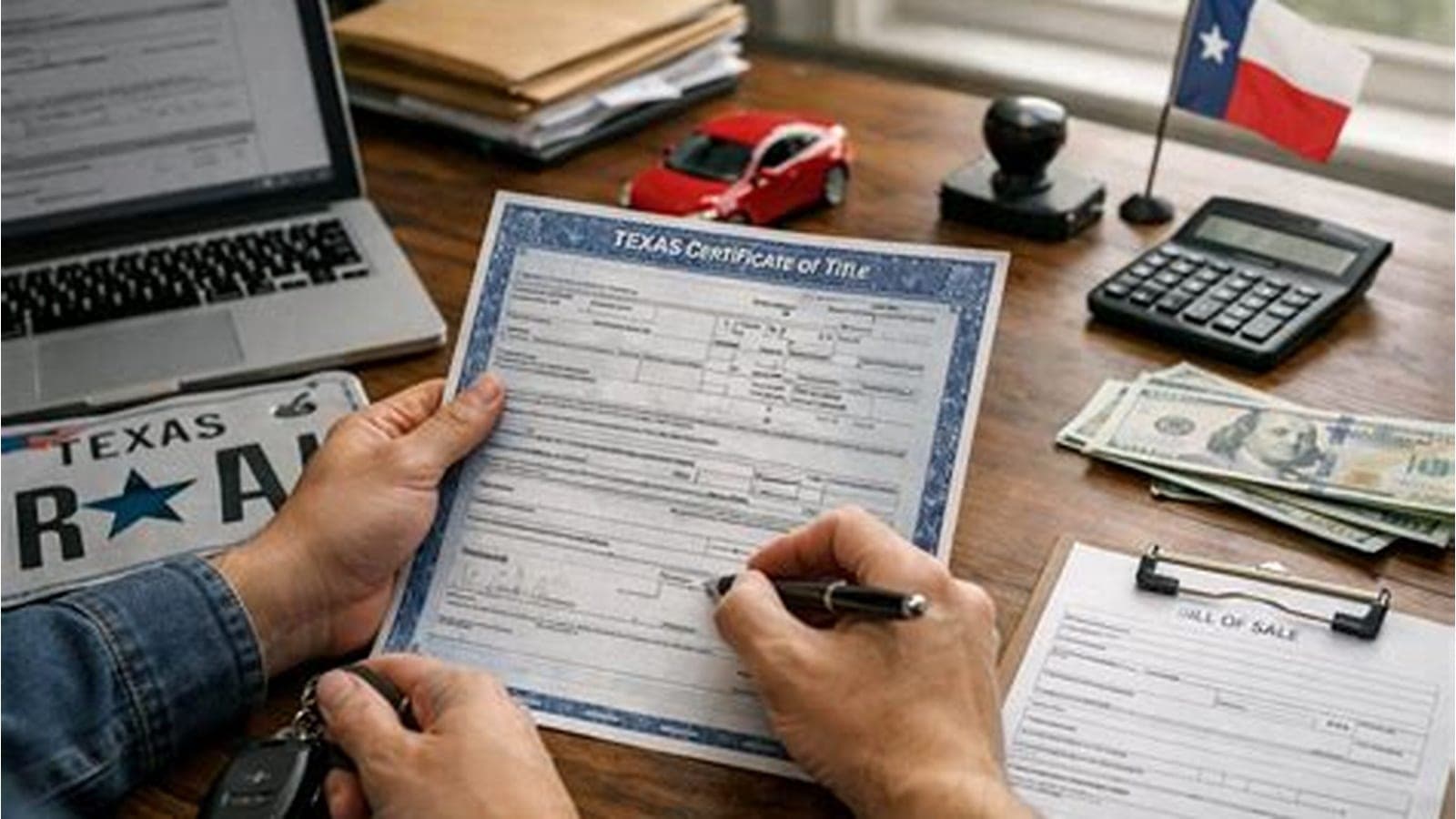
The FTC requires dealers to disclose on the Buyers Guide whether a vehicle comes with a warranty or is sold 'as-is.' That single checkbox is one of the most important documents in a used-car deal. If the box marked 'As Is — No Warranty' is checked, you have zero recourse through the dealer for mechanical failures the moment you leave the lot — regardless of what the salesperson told you verbally.
An extended warranty sold at the dealership F&I office is technically a Vehicle Service Contract (VSC), not a warranty, because it is provided by a third party rather than the manufacturer. The FTC has consistently held that this distinction matters: VSCs are regulated as service contracts under state consumer protection law, not under Magnuson-Moss. Some states require VSC providers to be licensed and to maintain a reserve fund; others have very little oversight. According to a Consumer Reports survey covering thousands of extended-warranty policyholders, the median amount paid for a VSC was approximately $1,200 — and many owners reported receiving less in repairs than they paid for coverage.
Reading the Coverage Tiers
VSCs typically come in three tiers: exclusionary (lists what's NOT covered, everything else is covered), inclusionary or named-component (lists only what IS covered), and powertrain-only. Exclusionary plans are the most comprehensive and the most expensive. Named-component plans are the easiest for providers to deny claims on — if a part isn't named, the answer is no. Always ask which tier you're being quoted before comparing prices across providers.
What Car Warranty Coverage Typically Includes
A strong exclusionary VSC should cover the engine and all internally lubricated parts, the transmission, transfer case, drive axles, electrical systems, air conditioning, fuel system components, and the steering gear. Better plans also fold in technology components like infotainment screens and advanced driver-assistance sensors (ADAS), which are expensive to replace out-of-pocket. According to J.D. Power's Vehicle Dependability Study, electronic/electrical systems are consistently among the top three categories where owners report problems — so skipping tech coverage to save money is a real risk on any vehicle built after roughly 2016.
Roadside assistance, rental car reimbursement, and trip interruption coverage are often bundled into VSC packages at no extra charge. These add-ons have concrete dollar limits — a typical plan caps rental reimbursement at $35–$50 per day and trip interruption at $200 total, according to sample contracts reviewed by the American Automobile Association (AAA). Understand those caps before you assume the bundle is generous.
- Engine internals: pistons, crankshaft, camshaft, oil pump, timing components
- Transmission: all internal parts, torque converter, seals (if covered plan)
- Drive system: axles, CV joints, differential (4WD transfer case in higher tiers)
- Electrical: alternator, starter, wiring harnesses (named-component plans may exclude body electronics)
- HVAC: compressor, condenser, evaporator — confirm the refrigerant recharge is included
- Steering and suspension: rack-and-pinion, power steering pump, shocks (exclusionary plans only)
Common Exclusions That Surprise Buyers
Pre-existing conditions are the most common denial trigger. If a shop can argue that a failure existed before coverage began, they will. That's why independent inspection before buying any used car — and before activating a VSC — matters so much. Photograph and document any existing leaks, warning lights, or unusual noises, and get the shop to note them on a pre-coverage inspection report.
Maintenance neglect is the second-most-common basis for denial. Every VSC requires you to follow the manufacturer's recommended service intervals, keep receipts, and use the correct fluids. Miss one oil change — or fail to produce proof — and a provider can deny an entire engine claim worth thousands of dollars. The National Automobile Dealers Association (NADA) recommends keeping a dedicated vehicle maintenance folder with dated receipts for every service event.
Other frequent exclusions include: rust and corrosion damage, cosmetic parts (trim, upholstery), glass, high-performance modifications, commercial use, and in many plans, towing more than the rated capacity of the vehicle. Electric vehicle batteries are excluded by most aftermarket VSCs entirely — a significant gap given that a replacement battery pack for a common EV can cost $10,000 or more.
Electric Vehicles and Extended Warranty Gaps
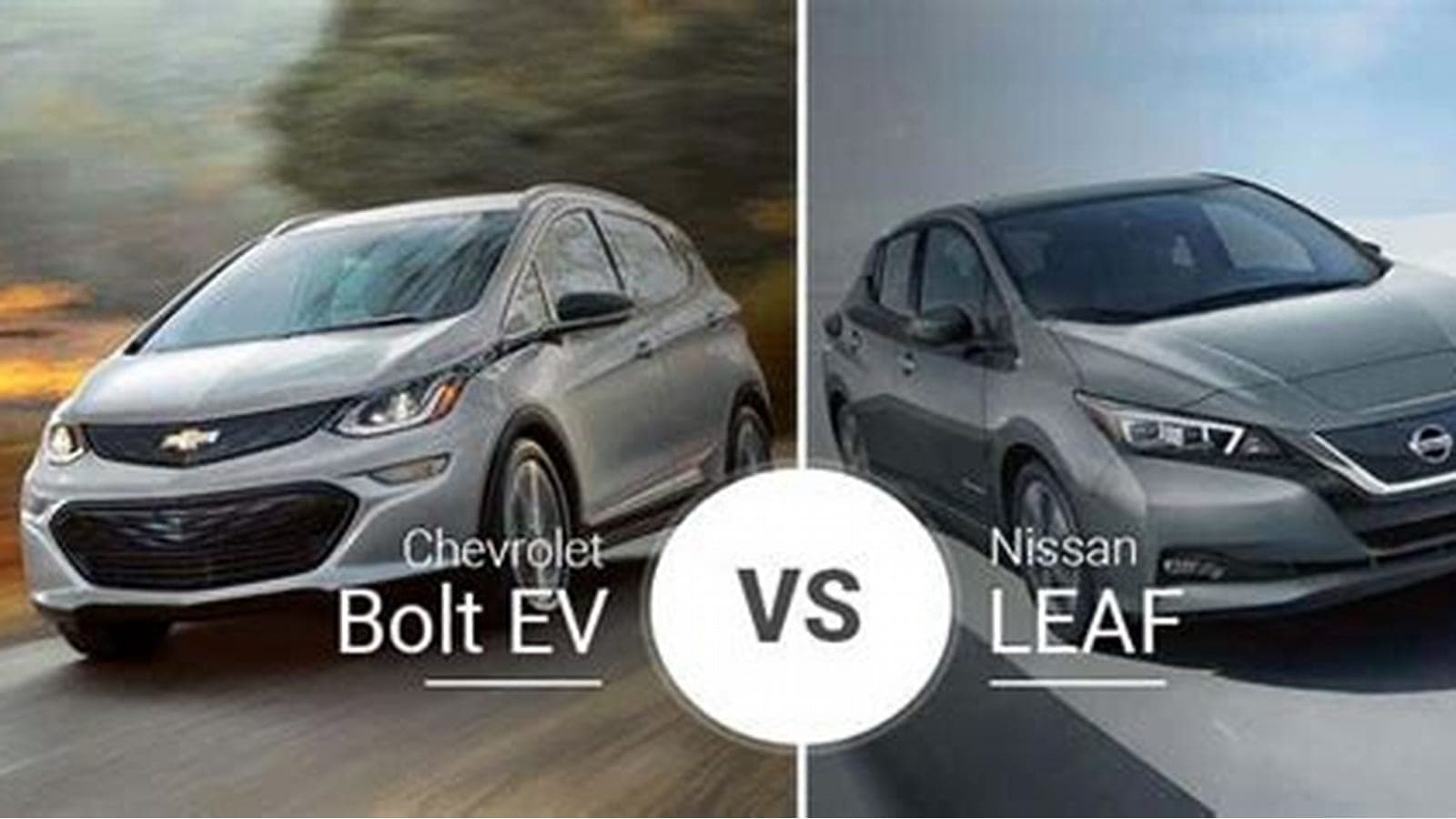
Federal law (26 U.S.C. § 30D and related regulations) governs EV tax credits, but it doesn't require any specific battery warranty length beyond what states mandate. California, under its zero-emission vehicle (ZEV) regulations, requires EV manufacturers to warrant traction battery packs for 10 years or 150,000 miles for vehicles sold or registered in the state — a standard that influences coverage in all CARB-aligned states. For buyers considering an electric vehicles lease transfer or a used EV purchase, always check how many miles remain on the factory battery warranty before negotiating.
Most third-party VSCs available today either exclude EV batteries outright or cap battery-related coverage at amounts far below replacement cost. A handful of specialty providers (including some manufacturer-backed certified programs) do cover battery degradation below a stated threshold — typically 70% of original capacity. If you're buying a used EV, get the battery health percentage in writing from the dealer and run a VIN check to confirm the ownership and service history before you assume any coverage applies.
Used EV Buying Checklist
Battery health report (printed from dealer scan tool), remaining factory battery warranty documentation, and a vehicle history report to confirm no flood or salvage events — those three documents are non-negotiable before you sign. Flood-damaged EVs that show up at Copart or IAA auctions can pass a basic visual inspection and still carry serious electrical risk, and no VSC will cover pre-existing water intrusion.
Buying a Car With an Open Loan: Title and Warranty Implications
A common question from private-party buyers is: can you trade in a car on finance? Yes — dealers do it routinely, and the payoff is simply rolled into the new deal. But the warranty picture changes depending on who holds the title. If a lender is listed as lienholder on the title, the manufacturer's warranty still follows the vehicle itself, not the owner — so it transfers with a trade-in or private sale. The VSC contract, however, is tied to the buyer, and most VSCs are transferable for a small fee (often $50–$75, per standard contract language).
A related situation: can you register a car without a title? In most states, no — registration requires a clear title or a bonded title process. If you buy a vehicle from a private seller who can't produce a title, you may be unable to register it at all, which means any warranty coverage is moot. Check your state DMV's requirements before you hand over money for any vehicle where the title is 'lost' or 'in the mail.' NMVTIS records can sometimes reveal whether a title was issued as salvage or branded, even when the seller claims the vehicle is clean.
Cost vs. Risk: Is an Extended Warranty Worth Buying?
This is the decision most buyers avoid making explicitly — so let's run the numbers. According to RepairPal's cost database, the average annual repair cost for a mainstream used vehicle (roughly 6–10 years old) runs $500–$700 per year. A mid-tier exclusionary VSC for the same vehicle commonly costs $1,500–$2,500 for a 3-year or 48,000-mile term, meaning you'd need to incur about $1,800 in covered repairs just to break even.
The math shifts dramatically for vehicles with known reliability issues. A luxury European sedan or a truck with a problematic transmission generation can easily exceed $3,000 in a single repair event. For those vehicles, an exclusionary VSC with a low deductible ($100 or less per visit) delivers real financial protection. For a Japanese economy car with a strong reliability record, self-insuring — putting the VSC cost into a dedicated savings account — often works out better financially. A car cover warranty (the physical protective cover, not a service contract) is a different product entirely and won't help you with a $4,000 transmission bill.
When the Math Favors Buying Coverage
Buy coverage when: the vehicle has over 60,000 miles and no remaining factory warranty; it's a brand or model with a documented history of expensive component failures; you can't comfortably absorb a $2,000–$4,000 repair bill; or the VSC is transferable and adds resale value to the car. Skip coverage when: the vehicle has strong reliability data, under 60,000 miles, or remaining factory warranty — and you have a repair fund.
How to Compare VSC Providers Without Getting Burned
The F&I office markup on VSCs sold at dealerships is substantial. According to the National Association of Automotive Finance Executives (NAAFE), F&I product gross profit margins regularly exceed 80% on some VSC products — meaning the dealer pays far less to the provider than you pay the dealer. You can shop VSCs independently: companies like CARCHEX, Endurance, and Olive (a pay-per-mile model) quote directly to consumers, which cuts out the dealer markup.
Before you commit, check the provider's rating with the Better Business Bureau and search your state attorney general's consumer complaint database. VSC providers that go out of business leave policyholders with worthless contracts — it has happened multiple times with smaller providers. Confirm that the VSC is backed by an A-rated insurance underwriter (ask for the underwriter's name and AM Best rating) so that even if the administrator folds, claims are still paid.
- Get the full contract in writing before you agree to purchase — not a summary brochure.
- Read the exclusions section first, from the last page forward; that's where the real terms live.
- Confirm the deductible structure: per-visit deductibles are better than per-component deductibles.
- Ask whether repairs must be done at a specific shop, or if any ASE-certified facility qualifies.
- Verify the VSC is underwritten by an AM Best A-rated insurer — ask for the underwriter's name.
- Check transfer fee and process if you plan to sell before the term ends.
- Compare the total cost to 2–3 years of self-insured savings at the same monthly amount.
AAA and Other Name-Brand Warranty Options
AAA offers Vehicle Service Contracts through its network in most US states, and the name carries real consumer trust. AAA's VSC products are underwritten by regulated insurance entities, which reduces the financial collapse risk. Coverage tiers align with the industry standard — basic powertrain through exclusionary — and AAA membership is generally required. The brand's complaint record is considerably cleaner than many independent VSC marketers, based on BBB and state consumer complaint data reviewed through AAA's member services division.
Other name-brand options include manufacturer-backed CPO extended warranties (available for purchase at dealerships after CPO expiration), credit union-offered VSCs (often competitively priced because credit unions operate at cost, not profit), and dealer-specific certified programs. Credit union VSCs in particular are worth asking about — members of large credit unions like Navy Federal or PenFed can sometimes access VSC products at margins closer to the administrator's actual cost.
Auction-Bought Vehicles and the Warranty Reality
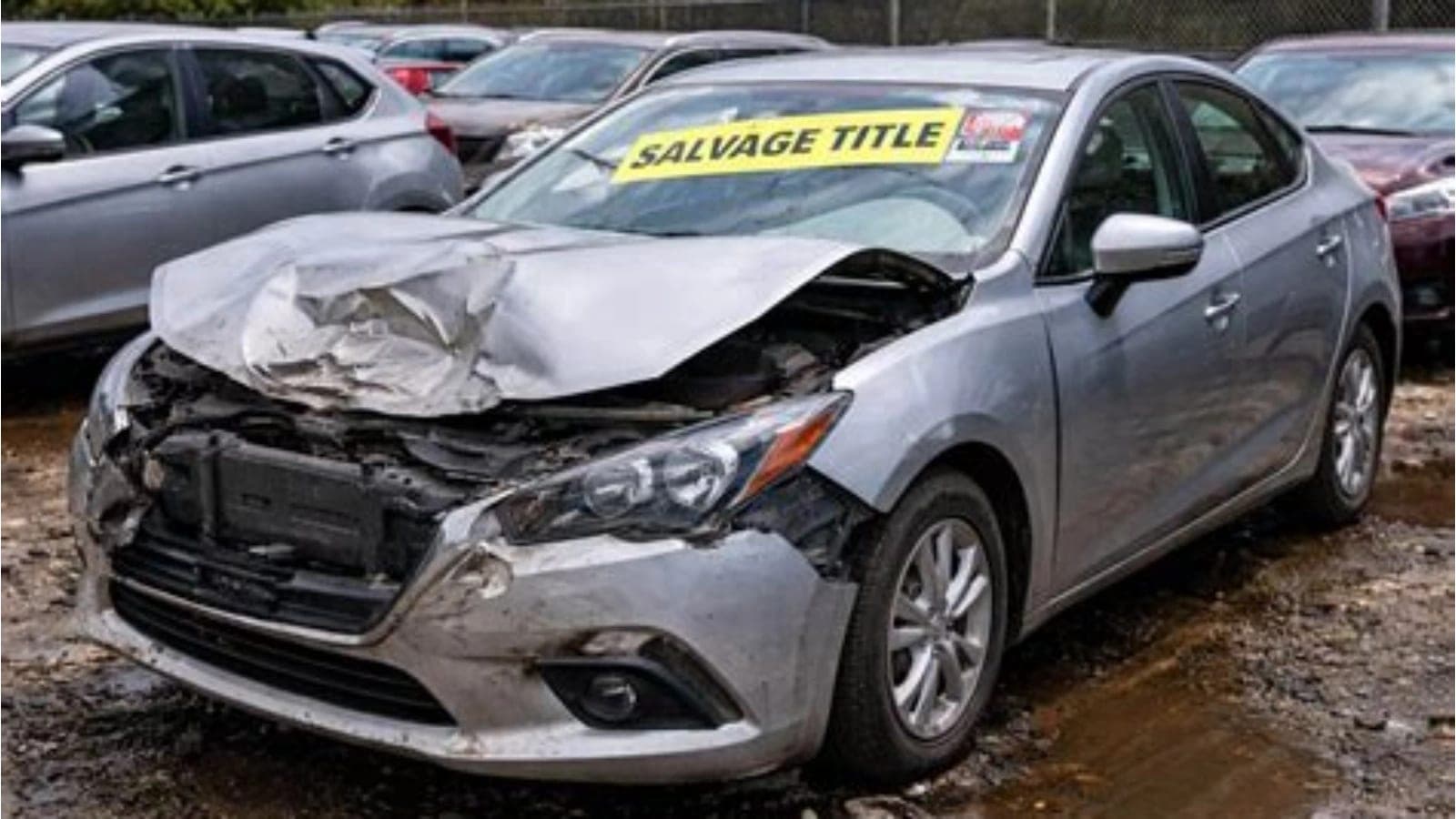
Vehicles purchased through Copart or IAA (Insurance Auto Auctions) are almost always sold with a salvage or rebuilt title — meaning factory warranty coverage is void, and most VSC providers will not write a contract on them. Even if the car looks pristine after a rebuild, the branded title follows it forever through NMVTIS, and that brand will surface on any vehicle history report a buyer runs before purchase. Some BHPH lots sell rebuilt-title vehicles without clearly disclosing the brand; always pull a VIN check and confirm the title brand with your state DMV before signing anything.
If you're buying a salvage or rebuilt vehicle knowingly — for budget reasons — price in the full cost of repairs without any warranty safety net, because that's exactly your situation. Budget-conscious buyers who need a car cover warranty alternative can sometimes negotiate a short-term mechanical breakdown insurance (MBI) policy through their auto insurer, which is regulated differently than a VSC and may be available on some non-salvage used vehicles where VSCs are difficult to obtain.
Salvage Title = No VSC
If a vehicle carries a salvage, rebuilt, or flood brand in NMVTIS, virtually no reputable Vehicle Service Contract provider will write coverage on it. That exclusion is permanent and non-negotiable. Run a vehicle history report before you negotiate — not after.
What to do next
Pull a vehicle history report and a VIN check on any car you're seriously considering, then request the full VSC contract (not the brochure) and read the exclusions section before you visit the F&I office — that 20-minute read will tell you more about your actual protection than anything a salesperson says.
CarCheckerVIN Editorial Team
In-house automotive research team
The CarCheckerVIN editorial team combines decades of automotive industry, dealer, and journalism experience to produce trustworthy buying, selling, and ownership guidance backed by NMVTIS, NICB, and manufacturer data.
Frequently asked questions
- What exactly does a car warranty cover?
- A factory warranty covers defects in materials or workmanship — essentially, parts that fail because the manufacturer made them wrong, not because of normal wear or accidents. A typical bumper-to-bumper warranty runs 3 years or 36,000 miles under Magnuson-Moss. It covers most mechanical and electrical systems but excludes consumable wear items like brake pads, tires, and filters. An extended VSC expands that window on negotiated terms.
- What does AAA extended warranty cover?
- AAA Vehicle Service Contracts offer tiered coverage from powertrain-only up to exclusionary plans that cover most mechanical and electrical systems. Higher tiers include engine, transmission, drive axles, electrical, air conditioning, and steering components. AAA VSCs are backed by regulated insurance underwriters, which lowers the financial default risk compared to many independent providers. Membership is typically required, and coverage terms vary by state — request the full contract before purchasing.
- What is not covered in a car warranty?
- Both factory warranties and VSCs typically exclude wear items (tires, brakes, wiper blades), cosmetic parts (upholstery, trim, glass), rust and corrosion, pre-existing conditions, and failures caused by maintenance neglect. Most aftermarket VSCs also exclude EV traction batteries. Physical damage from accidents or misuse is never covered. Modifications that alter factory specifications can void coverage on related systems entirely, even on otherwise covered components.
- Which extended car warranty offers the best value?
- The best value depends on the vehicle. For unreliable or high-mileage cars, an exclusionary VSC underwritten by an AM Best A-rated insurer — purchased directly from a provider like CARCHEX or Endurance, or through a credit union — beats a dealer-sold plan at the same cost. For reliable, lower-mileage vehicles, self-insuring often wins financially. Always compare the total contract cost against 2–3 years of average repair costs (RepairPal is a useful benchmark) before committing.
Ready to check a VIN?
Run a free VIN check
Decode any vehicle in under 60 seconds.