Brake Pad Replacement Cost: What You'll Actually Pay in 2025
Brake pad replacement cost varies widely by vehicle and shop. Here's what you'll actually pay per axle, when you can skip rotors, and how to avoid overpaying at chains or dealerships.
On this page
- How Much Does Brake Pad Replacement Cost by Vehicle Type?
- Dealership vs. Independent Shop vs. Chain: Where to Go
- Brake Pad Replacement Cost: DIY vs. Paying a Pro
- When Rotors Add to the Bill (and When You Can Skip Them)
- How Long Do Brake Pads Last?
- Brake Pads vs. Other Common Maintenance Costs
- Weighing the Decision: Cheap Pads vs. Premium Pads
- How to Get the Best Price on a Brake Job
- What to Expect During the Service
- Special Cases: EVs, Hybrids, and Heavy Trucks
You hear a metallic squeal every time you press the brake pedal. Or maybe you just bought a used car and the seller mentioned the pads are "getting low." Either way, you need to know what brake pad replacement cost looks like before you hand over a credit card. This guide gives you the real numbers (not the lowball ad prices), tells you when you can save money and when you shouldn't, and helps you compare quotes like a pro. If you recently purchased a used vehicle and don't have full maintenance records, pulling a vehicle history report can show you whether brakes were serviced at dealership intervals.
The short answer
Expect to pay $150–$300 per axle for standard vehicles and $300–$600 per axle for trucks, SUVs, or European luxury cars. If the rotors need resurfacing or replacing, add $150–$350 per axle on top of that.
How Much Does Brake Pad Replacement Cost by Vehicle Type?
Prices depend on three things: the pads themselves, the labor rate at the shop, and whether your rotors also need work. According to RepairPal's 2024–2025 national repair cost database, the average brake pad replacement runs $165–$290 per axle for a midsize sedan like a Toyota Camry (parts and labor included). A Ford F-150 lands higher at roughly $200–$330 per axle because the pads are larger and heavier. European vehicles push the range further: RepairPal lists a BMW 3 Series brake pad replacement at $210–$390 per axle, partly because many European-spec pads include integrated wear sensors that must be replaced each time.
Quick price table by category
- Compact sedan (Civic, Corolla): $130–$250 per axle, according to RepairPal.
- Midsize sedan (Camry, Accord): $165–$290 per axle.
- Full-size truck or SUV (F-150, Tahoe): $200–$380 per axle.
- European luxury (BMW, Audi, Mercedes): $210–$450 per axle.
- Performance or EV (Tesla Model 3, Mustang GT): $250–$500 per axle (Tesla rear pads can be particularly labor-intensive due to caliper design).
These ranges assume pads only. The moment a technician tells you the rotors are worn past minimum thickness (a spec stamped on every rotor, measured with a micrometer), you're looking at an additional $150–$350 per axle for rotor replacement, according to AAA's 2023 auto repair cost study. That study also found that the national average hourly labor rate at non-dealer shops was $150, while dealership service departments averaged $175–$200 per hour.
Dealership vs. Independent Shop vs. Chain: Where to Go
Your choice of shop matters as much as your vehicle type. Here's how the three main options compare.
Dealership service departments
Dealerships use OEM (original equipment manufacturer) pads and charge the highest labor rate. You'll pay a 15–30% premium over independent shops according to a 2023 Consumer Reports service cost analysis. The upside: OEM pads are matched to your car's braking system, and the work is recorded under your VIN in the dealer's system, which can boost resale value.
Independent mechanics
Most independent shops use quality aftermarket pads (brands like Akebono, Bosch, or Wagner) and charge lower labor rates. According to AAA's 2023 data, independent shops average about $115–$150 per hour versus the dealership's $175–$200 per hour. The quality of aftermarket ceramic pads from reputable brands matches or exceeds OEM in many applications. Ask for ceramic pads specifically (they produce less dust and last longer than semi-metallic).
National chains (Midas, Brakes Plus, Pep Boys)
Chains often advertise brake specials as low as $99 per axle. Read the fine print. That price almost always covers only the cheapest semi-metallic pads and basic installation. Once the tech inspects the car, you'll likely hear that rotors need replacement, hardware kits are extra, or brake fluid should be flushed. The final bill often lands in the same $200–$400 range as an independent shop. The advertised price is a door-opener, not a final number.
Brake Pad Replacement Cost: DIY vs. Paying a Pro
If you own a floor jack, jack stands, and basic hand tools, you can replace pads yourself. A set of four front ceramic pads costs $30–$70 at AutoZone or RockAuto (per their current listings). Rear pads run a similar range. That means you can do both axles for under $140 in parts. Compare that to paying $300–$600 at a shop. The savings are real.
But DIY brake work carries risk. If you don't properly compress the caliper piston, reinstall the caliper bracket torque to spec, or check rotor thickness, you could end up with a soft pedal or uneven braking. On vehicles with electronic parking brakes (common on many 2018-and-newer models), you need a scan tool to retract the rear caliper pistons. Without it, you'll damage the motor inside the caliper. If you're not confident, pay the professional. Brakes are the one system where cutting corners can literally kill you.
When Rotors Add to the Bill (and When You Can Skip Them)
Shops love to upsell rotors. Sometimes they're right to. Other times, they're padding the ticket. Here's how to tell the difference.
- Ask for a measurement. Every rotor has a "minimum thickness" stamped or cast into its surface. If the tech measures the rotor at or below that number, replacement is non-negotiable.
- Look for scoring. Light grooves are normal. Deep grooves you can catch a fingernail in mean the rotor surface can't make full contact with the new pad. Replace it.
- Check for lateral runout. If your steering wheel shakes when braking, the rotors may be warped. A shop can measure runout with a dial indicator. More than 0.002 inches of runout on most passenger cars (per the Brake Manufacturers Council's technical guidelines) means the rotor should be resurfaced or replaced.
- Consider the age of the rotors. If the rotors have already been resurfaced once, they're likely too thin to resurface again. New rotors are cheaper than you think: $30–$80 each for most domestic and Japanese vehicles at RockAuto.
If the rotors measure well above minimum thickness and the surfaces are smooth, tell the shop you want pads only. A good shop won't push back.
How Long Do Brake Pads Last?
The Federal Highway Administration reports that the average American drives about 14,263 miles per year. Most front brake pads last 30,000–50,000 miles under normal driving conditions according to the Brake Manufacturers Council. Rear pads typically last longer (40,000–65,000 miles) because front brakes handle 60–70% of stopping force on most vehicles. City driving, towing, and mountainous terrain will shorten pad life dramatically. If you bought a used car with 60,000 miles and no record of brake service, plan on replacing pads soon. A VIN check can sometimes reveal whether the previous owner had brake work done at a dealership.
Brake Pads vs. Other Common Maintenance Costs
Brake pads often come due around the same mileage as other wear items. If you're budgeting for a used car, it helps to see how the costs stack up so you can plan your spending over six to twelve months instead of getting hit all at once.
- Brake pad replacement: $150–$400 per axle (both axles: $300–$800 total).
- Battery replacement: $150–$300 installed for most vehicles, according to AAA's 2023 cost study. AGM batteries (common in start-stop vehicles) run $200–$350.
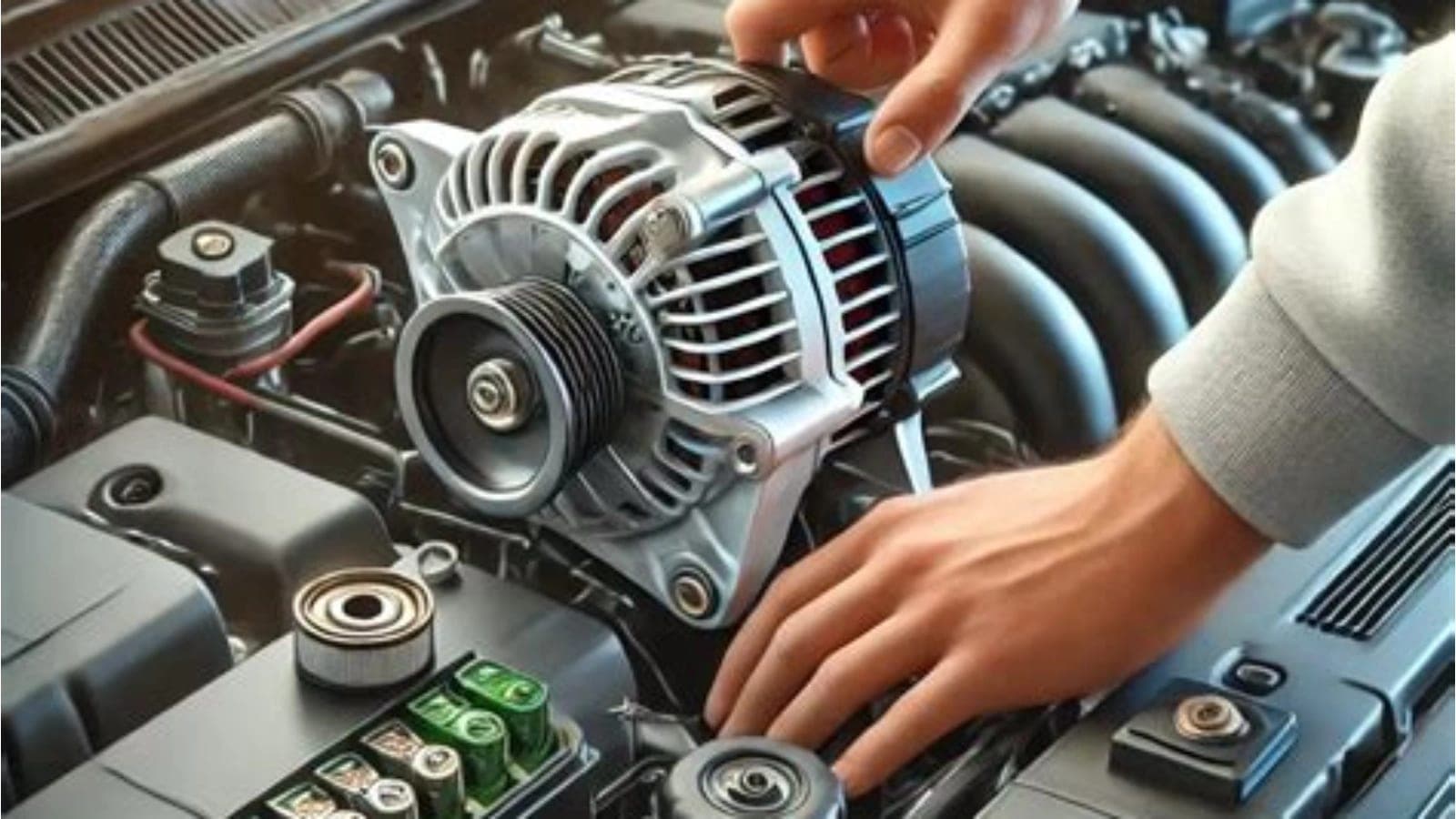
- Alternator replacement cost: $400–$900 including parts and labor at an independent shop, per RepairPal's 2024 data. Remanufactured units run about 30% less than new.
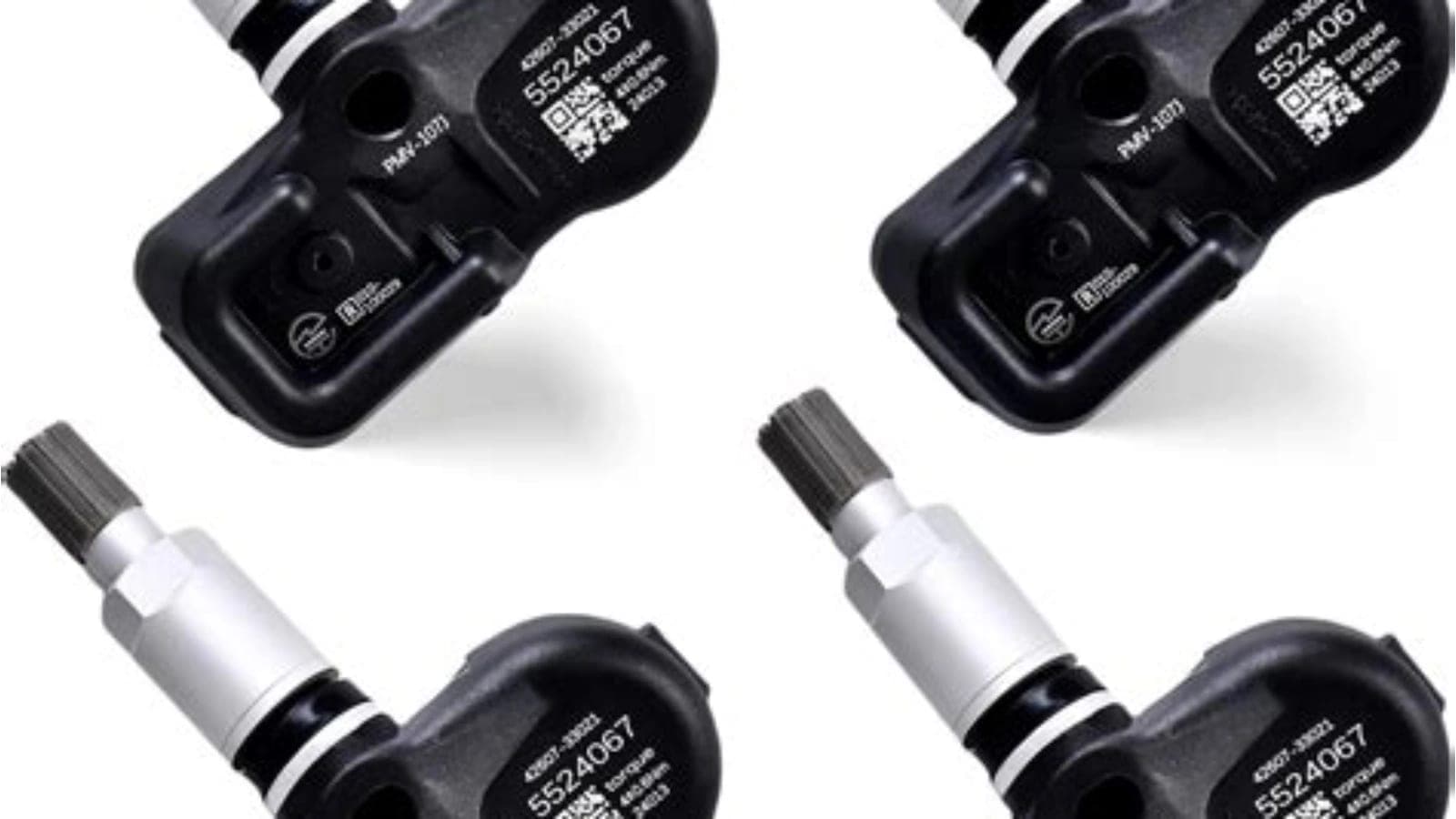
- TPMS sensor replacement cost: $50–$125 per sensor installed, per Tire Industry Association estimates. You have four sensors, so a full set runs $200–$500.
- Timing belt (if applicable): $500–$1,000 at 60,000–100,000 miles.
The point here is that brake pads are actually one of the more affordable scheduled maintenance items. A battery replacement might cost less per event, but alternator replacement cost and timing belt service dwarf a brake job. Budget for pads first because brakes are safety-critical. Everything else can usually wait a few weeks.
Weighing the Decision: Cheap Pads vs. Premium Pads
You'll see brake pads sold in three tiers at any parts store: economy semi-metallic ($15–$30 per set), mid-grade ceramic ($35–$60 per set), and premium ceramic or carbon-fiber compound ($60–$100 per set). The price difference between the cheapest and the best set is about $45–$70 per axle at RockAuto's current pricing. That means upgrading from economy to premium adds roughly $90–$140 to the total job if you're doing both axles.
Here's the trade-off. Economy semi-metallic pads produce more brake dust, wear faster, and can be noisier. Premium ceramic pads last 20–40% longer according to testing published by Akebono (one of the largest OEM brake pad suppliers globally), produce minimal dust, and stop quieter. Over the life of the pads, you pay less per mile with premium pads because you replace them less often. If you plan to keep the car for 30,000 miles or more, spend the extra $90–$140 now. You'll make it back in delayed replacement and cleaner wheels.
Don't ignore grinding sounds
If you hear metal-on-metal grinding (not squealing, but actual grinding), your pads are gone and the steel backing plate is cutting into the rotor. Every mile you drive adds damage. At that point you're buying new rotors too, which can double the total bill. Pull over, park the car, and get it towed or driven slowly to a shop.
How to Get the Best Price on a Brake Job
- Get three quotes. Call two independent shops and one chain. Ask for the out-the-door price with ceramic pads and rotor inspection included.
- Supply your own parts (if the shop allows it). Buy quality pads from RockAuto or AutoZone and bring them in. Some shops charge a slightly higher labor rate when you bring your own parts, but you still save on the markup.
- Ask about coupons. Midas, Firestone, and Pep Boys frequently run $25–$50-off brake service coupons on their websites. Check before you call.
- Bundle the work. If you also need a battery replacement or tire rotation, ask the shop for a package discount. Many independents will knock 10% off the labor if you combine services.
- Check if your extended warranty covers brakes. Most third-party extended warranties (like Endurance or CARCHEX) exclude brake pads as a wear item, but a few powertrain-plus plans cover calipers and hydraulic components. Read your contract.
What to Expect During the Service
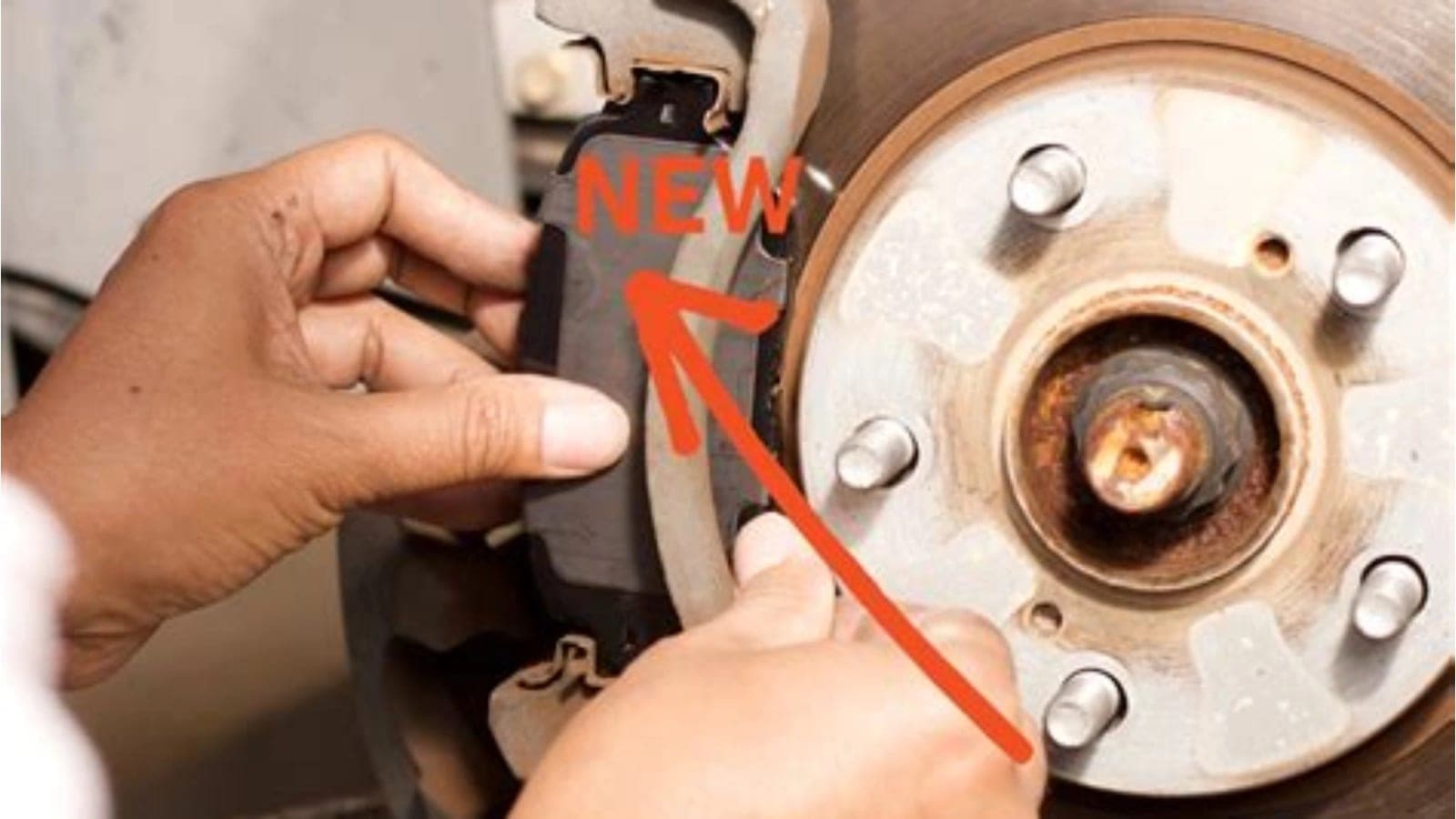
A brake pad replacement on one axle takes 45 minutes to 1.5 hours at most shops. Both axles together typically take 1.5–2.5 hours. The tech will remove the wheels, pull the caliper off the bracket, extract the old pads, compress the caliper piston, install new pads and hardware clips, and remount everything. A good shop will also inspect the brake fluid condition, check the brake hoses for cracking, and measure rotor thickness.
After the job, you'll feel a soft pedal for the first 50–100 miles while the new pads "bed in" (conform to the rotor surface). Some shops do a bedding procedure on the test drive: a series of moderate stops from 35 mph to transfer a thin layer of pad material onto the rotor. Ask if they do this. It improves initial braking performance and reduces the chance of squealing.
Special Cases: EVs, Hybrids, and Heavy Trucks
Electric vehicles and hybrids use regenerative braking, which means the electric motor slows the car before the friction brakes engage. As a result, brake pads on EVs can last 70,000–100,000 miles or more, according to a 2022 report by the U.S. Department of Energy's Vehicle Technologies Office. That's great news for Tesla, Chevy Bolt, and Hyundai Ioniq owners. The downside: when you finally do need pads, the rotors may have surface corrosion from sitting unused, and you may end up replacing rotors and pads together.
Heavy-duty trucks (2500/3500 class) use larger rotors and thicker pads. Expect $300–$500 per axle for pads alone on a Ram 2500 or Chevy Silverado 3500, per RepairPal estimates. If you tow frequently, consider upgrading to performance-grade pads from brands like Power Stop or EBC. They cost more upfront but resist fade under heavy loads.
For any used vehicle purchase (especially trucks that may have been used for towing), a thorough pre-purchase inspection should include brake measurement. If you don't have service records, a vehicle history report may show whether the vehicle was used commercially, which would suggest harder brake wear.
What to do next
Call two independent shops near you today and ask for a brake pad replacement quote with ceramic pads, including rotor inspection. Compare the two numbers. If both shops say you need rotors, ask for the measured thickness versus the minimum spec. That single question proves you know what you're talking about and protects you from unnecessary upsells.
CarCheckerVIN Editorial Team
In-house automotive research team
The CarCheckerVIN editorial team combines decades of automotive industry, dealer, and journalism experience to produce trustworthy buying, selling, and ownership guidance backed by NMVTIS, NICB, and manufacturer data.
Frequently asked questions
- What is a reasonable price for brake pad replacement?
- A reasonable price for brake pad replacement is $150–$300 per axle at an independent shop using quality ceramic pads. Dealerships run 15–30% higher according to Consumer Reports. If the quote exceeds $350 per axle for a standard sedan (pads only, no rotors), get a second opinion. Trucks and European vehicles legitimately cost more due to larger or sensor-equipped pads. Always ask for the out-the-door price including labor, hardware, and tax.
- Does Jiffy Lube change brake pads?
- Yes, many Jiffy Lube locations offer brake pad replacement, though availability varies by franchise. Jiffy Lube's brake services typically include pad installation, rotor inspection, and brake fluid check. Their pricing is comparable to other national chains. However, Jiffy Lube built its reputation on oil changes, not brake work. If brakes are a core concern, you may get better expertise at a brake-specialist chain like Brakes Plus or a well-reviewed independent mechanic.
- What are signs my brake pads need replacing?
- The most common sign is a high-pitched squealing when you brake, caused by a built-in wear indicator (a small metal tab) contacting the rotor. Other signs include longer stopping distances, a pulsating brake pedal, the car pulling to one side during braking, or visible pad thickness under 3mm when you look through the wheel spokes. If you hear grinding (metal on metal), the pads are completely gone and you're damaging the rotors with every stop.
- Should I replace all four brake pads at once?
- You should always replace pads in axle pairs (both fronts or both rears) to maintain even braking. You don't necessarily need to do all four at once. Front pads wear faster because they handle 60–70% of braking force, so they often need replacement first. Inspect the rears when you do the fronts. If the rear pads still have 4mm or more of material, they can wait. Replacing all four at once saves on labor if the shop charges a per-visit fee.
Ready to check a VIN?
Run a free VIN check
Decode any vehicle in under 60 seconds.