Alternator Replacement Cost: What You'll Actually Pay in 2024–2025
Your alternator is dying and you need a number. Here's what alternator replacement actually costs by vehicle type, where to save, and when the repair bill should change your plans for the car.
On this page
- What Drives Alternator Replacement Cost
- Alternator Replacement Cost by Vehicle Type
- Remanufactured vs. New: The Part That Matters Most
- DIY vs. Shop: Running the Numbers
- The Hidden Cost: Your Battery (and Maybe Your TPMS)
- When to Fix It vs. When to Walk Away
- Extended Warranties and Alternator Coverage
- Choosing the Right Shop
- What About Rebuilt Alternators from the Junkyard?
- Preventing the Next Alternator Failure
- Buying a Used Car? Check the Charging System Before You Sign
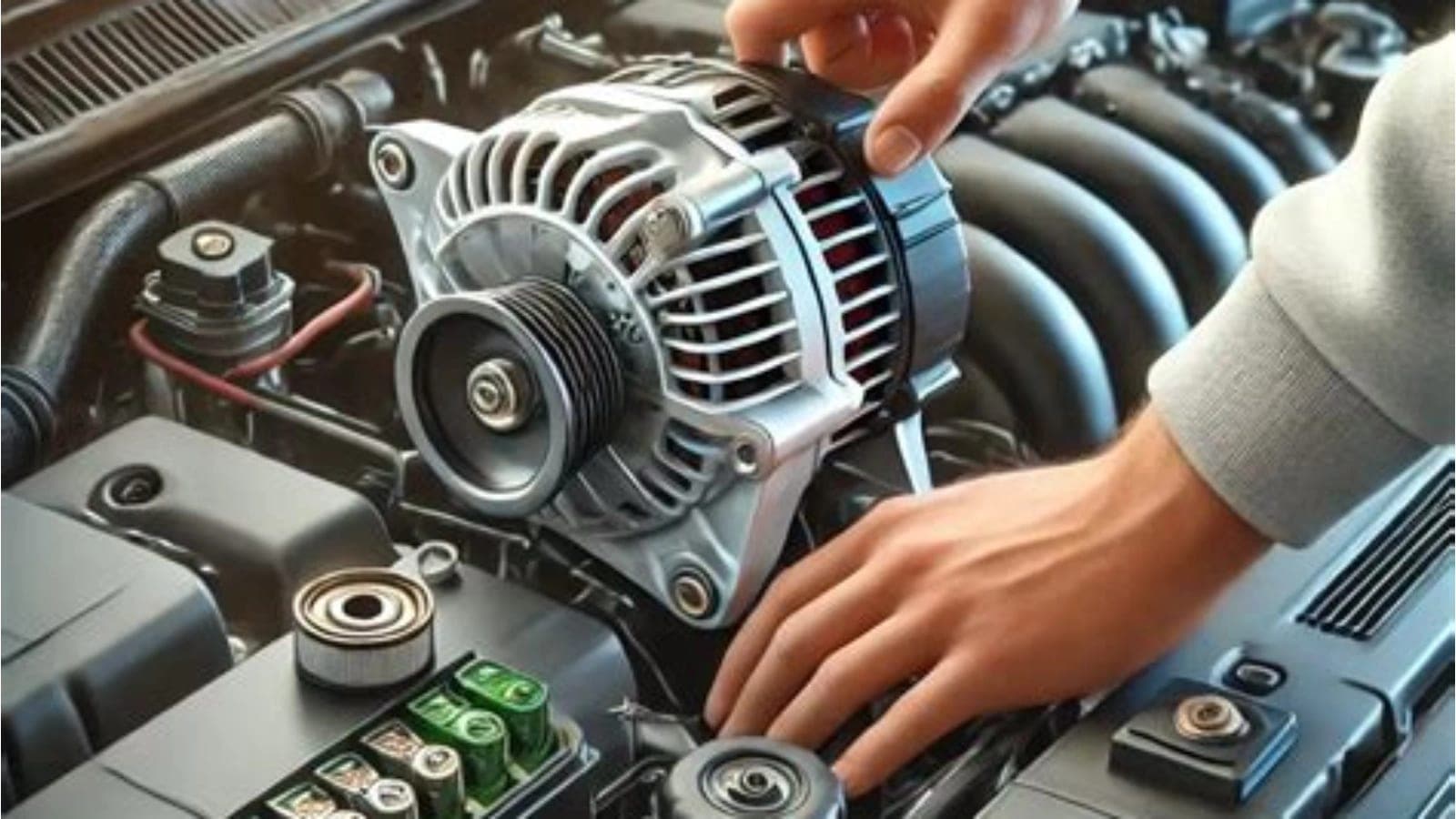
Your dashboard lit up like a Christmas tree, the battery warning glowed, and now someone just quoted you a number that made you blink twice. Welcome to the wonderful world of alternator replacement cost — a repair that falls into that annoying middle zone where it's too expensive to shrug off but not quite expensive enough to total most cars. If you're shopping for a used vehicle and the seller mumbles something about 'the battery light comes on sometimes,' you need these numbers before you negotiate. And if you already own the car, you need them before you authorize the repair.
The short answer
Most alternator replacements cost between $350 and $900 at an independent shop, including parts and labor. Dealerships typically charge 20–40% more. The part itself runs $150–$400 for a remanufactured unit on most passenger vehicles, according to RepairPal's national pricing data.
What Drives Alternator Replacement Cost
Two variables dominate the bill: the part and the labor hours. Parts pricing is relatively predictable — a remanufactured alternator for a 2015 Honda Accord runs roughly $180–$250, while a 2018 BMW 3 Series unit can hit $400–$600 for an OEM-equivalent rebuild, according to RockAuto's catalog pricing. New OEM alternators from dealership parts counters routinely exceed those figures by 30–60%. Labor is where things get interesting, or painful, depending on your perspective.
Labor: The accessibility lottery
On many four-cylinder cars with transverse engines — your Corollas, Civics, and Elantras — the alternator sits near the top of the engine bay. A competent tech can swap it in 45 minutes to an hour. But on certain V6 and V8 configurations, especially longitudinally mounted engines in trucks and luxury sedans, the alternator hides beneath intake manifolds, behind A/C compressors, or under layers of plastic shrouding that engineers apparently installed out of spite. RepairPal estimates that labor for an alternator replacement ranges from 1.0 to 3.0 hours nationally, with a shop rate averaging $100–$150 per hour at independent facilities. At dealerships, that rate can climb to $150–$200 per hour, per AAA's 2023 auto repair cost survey.
Alternator Replacement Cost by Vehicle Type
Averages are fine, but you drive a specific car. Here's what the spread looks like across common categories, based on RepairPal and dealer service menu data:
- Compact sedans (Civic, Corolla, Sentra): $350–$550 at independent shops. These are the easy ones — accessible alternators, cheap parts, quick labor.
- Midsize sedans (Camry, Accord, Malibu): $400–$650. Still manageable, though V6 models trend toward the higher end.
- Full-size trucks and SUVs (F-150, Silverado, RAM 1500): $450–$750. Parts are a bit pricier, and some configurations bury the alternator low on the engine.
- European luxury (BMW 3/5 Series, Audi A4, Mercedes C-Class): $600–$1,200. OEM parts are expensive, labor hours creep up, and shops sometimes charge a 'German car tax' that's partly justified by genuine complexity.
- Heavy-duty trucks and diesel vehicles: $500–$1,000+. Higher-output alternators and tighter engine bays push both parts and labor higher.
If your quote falls outside these ranges, ask the shop to itemize parts versus labor. A suspiciously cheap quote might mean a low-quality aftermarket alternator with a 90-day warranty. A suspiciously expensive one might mean the shop is billing for OEM-new when a quality remanufactured unit would serve you just as well.
Remanufactured vs. New: The Part That Matters Most
Here's a secret the parts industry would rather you not think too hard about: a quality remanufactured alternator is, for most purposes, functionally identical to a new one. Remanufacturers disassemble the core, replace the bearings, brushes, voltage regulator, and diodes, test output to OEM spec, and ship it with a warranty. Companies like Denso, Bosch, and ACDelco sell reman units that carry warranties of two to three years, per their published product specifications.
New OEM alternators typically cost 40–80% more than their remanufactured equivalents. For a 2017 Ford F-150 with the 5.0L V8, a reman Motorcraft alternator runs about $230 through parts retailers, while a brand-new Motorcraft unit lists around $380–$420, according to Ford Parts pricing. Unless you're building a show car or the vehicle is under 20,000 miles, the reman is the smart buy. Save that premium for the battery replacement you'll probably need to do at the same time.
DIY vs. Shop: Running the Numbers
If you own basic hand tools and can follow a YouTube tutorial without panicking, alternator replacement on many vehicles is a legitimate weekend DIY job. Let's do the math on a common scenario — a 2016 Toyota Camry 2.5L.
Shop cost
A quality remanufactured alternator at roughly $210 (parts store price), plus 1.2 labor hours at $130/hour equals about $366 before tax and shop supplies. Most shops mark up parts 25–50%, so the realistic total lands around $450–$520.
DIY cost
The same reman alternator from AutoZone or O'Reilly: $180–$220. A serpentine belt (smart to replace while you're in there): $20–$35. Total: around $200–$255. You'll spend 60–90 minutes and some knuckle skin. On this particular car, the alternator is bolt-accessible from the top — no need to remove other components. Your savings: roughly $200–$300.
The calculus changes on vehicles where the alternator is buried. If the job calls for removing the intake manifold on your Buick Enclave, or pulling the radiator fan assembly on your Jeep Grand Cherokee, the time investment and risk of breaking adjacent plastic components may not be worth the savings. Be honest with yourself about your skill level. A botched DIY alternator job that damages a wiring harness or cracks an aging coolant fitting can turn a $500 repair into a $1,500 one.
The Hidden Cost: Your Battery (and Maybe Your TPMS)
A failing alternator frequently kills the battery it was supposed to charge. Deep-cycling a conventional lead-acid battery — draining it well below its design threshold — causes sulfation that permanently reduces capacity. According to Interstate Batteries' technical documentation, a 12-volt automotive battery that has been deeply discharged more than two or three times typically loses 30–50% of its rated capacity. So if your alternator has been dying slowly, your battery probably went with it.
Budget another $150–$300 for battery replacement, depending on group size. AGM batteries, increasingly standard in vehicles with start-stop systems, run $200–$350, per AAA's 2023 battery pricing data. Yes, it stings. No, you shouldn't skip it. Installing a fresh alternator and connecting it to a toast battery is like putting new tires on bent rims.
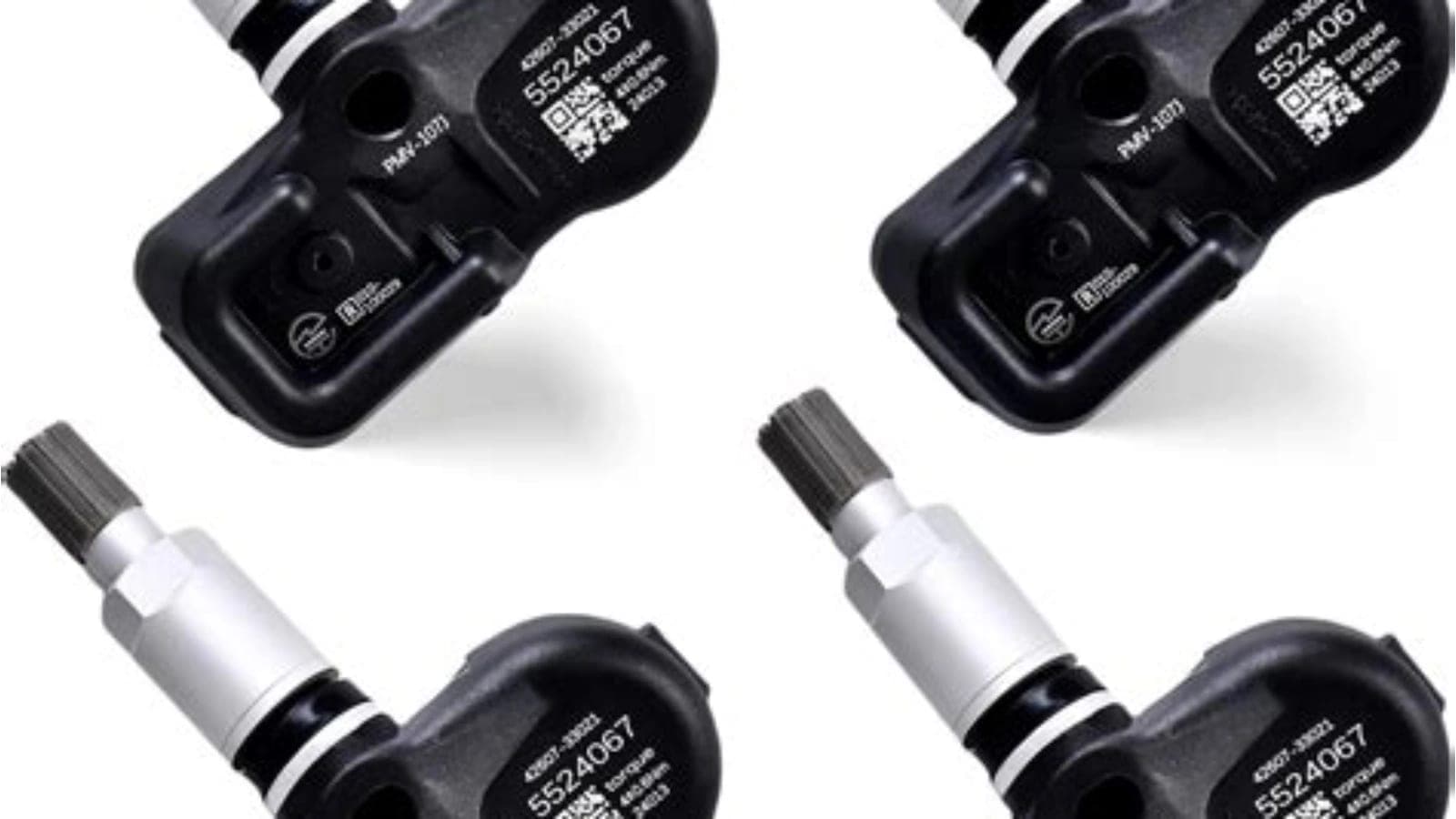
While you're bracing for ancillary costs, voltage spikes from a failing alternator can also damage sensitive electronics. One underrated casualty: tire-pressure monitoring sensors. If your TPMS warning appeared around the same time as your charging system light, a voltage spike may have fried a sensor or two. The tpms sensor replacement cost typically runs $50–$100 per wheel for parts alone (the Schrader or Continental sensors most shops use), plus $25–$40 per wheel in labor for dismounting and remounting the tire, according to Tire Rack's service pricing. That's an unwelcome add-on, but catching it now prevents a future headache.
When to Fix It vs. When to Walk Away
This is the real question, isn't it? An alternator replacement on a car you already own is almost always worth it — it's a wear item, not a sign of systemic failure. But context matters, and so does the rest of the car's condition.
Fix it when:
- The vehicle's market value comfortably exceeds the total repair cost (alternator plus battery, plus any related electrical fixes).
- The rest of the drivetrain is sound — no transmission shudder, no coolant leaks, no timing chain rattle.
- You plan to keep the car at least another 12–18 months, long enough to amortize the repair.
- The car has a clean title. A vehicle history report or VIN check can confirm whether previous damage or title brands affect the car's real worth.
Walk away (or negotiate hard) when:
- You're looking at a used car purchase and the alternator is already failing — the repair cost should come straight off the asking price, minimum.
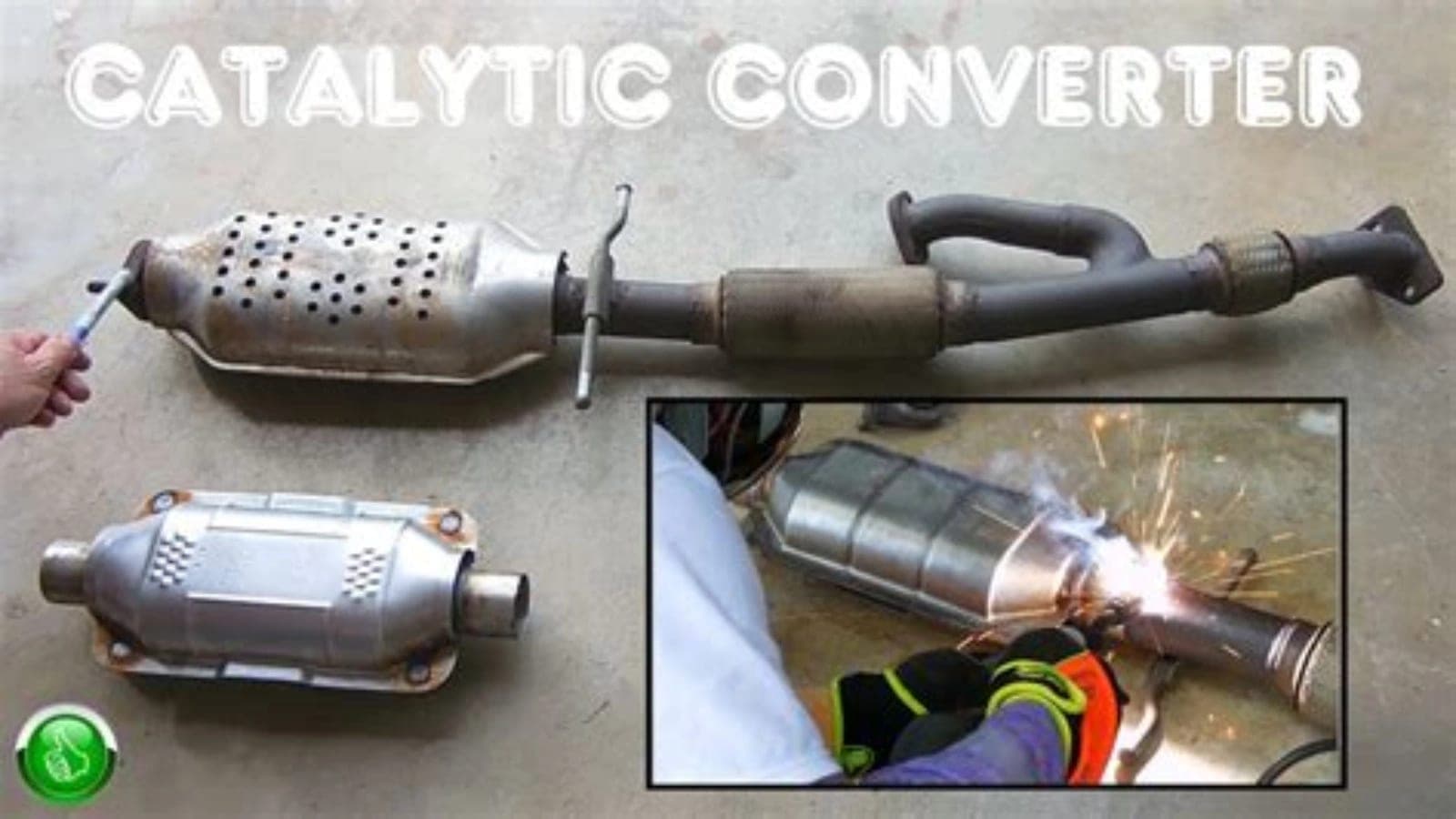
- The alternator is just one item on a growing list. If you also need a catalytic converter, struts, and a water pump, the combined bill may exceed 50% of the car's Kelley Blue Book private-party value.
- The vehicle has a salvage or rebuilt title, which the NMVTIS title brand system tracks. Sinking money into a branded-title car rarely pencils out unless you bought it at a deep discount from a Copart or IAA auction.
- The car is a BHPH lot special with no warranty and existing electrical gremlins — a failing alternator could be the least of your worries.
Watch for the 'just needs a battery' trick
A common seller tactic — especially in private-party sales — is to install a fresh battery before listing the car, masking an alternator that's on its way out. The car starts fine for a week or two, then the warning lights return. If you're buying used, ask when the battery was last replaced. A brand-new battery in an otherwise older car is a yellow flag, not a green one.
Extended Warranties and Alternator Coverage
If you bought an extended warranty or vehicle service contract — whether from a dealer's F&I office or a third-party provider — alternator replacement is typically covered under powertrain-plus or stated-component plans. Basic powertrain-only warranties usually exclude the alternator because it's classified as an electrical component rather than a drivetrain part. Read your contract's component list carefully. According to a 2022 Consumer Reports survey, roughly 55% of extended warranty holders who filed a claim were satisfied with the experience, which is a polite way of saying 45% weren't. Keep your maintenance receipts; denied claims often hinge on a missed oil change.
Choosing the Right Shop
An alternator replacement is bread-and-butter work for any decent independent mechanic. You don't need a dealership for this unless the car is under factory warranty (in which case the alternator should be covered at no charge — the Magnuson-Moss Warranty Act doesn't apply here because the factory powertrain warranty typically covers the charging system for 5 years/60,000 miles on most brands, per manufacturer warranty booklets).
- Get two or three quotes. Specify whether the quote is for a remanufactured or new alternator and what the parts warranty covers.
- Ask about the labor time. If one shop quotes 3 hours and another quotes 1.5 for the same vehicle, someone's padding.
- Confirm the parts warranty in writing. A reputable shop should offer at least a 12-month/12,000-mile warranty on the complete job — parts and labor. Many reman alternators carry 24–36-month warranties from the manufacturer.
- Ask whether the shop will also test and, if necessary, replace the battery at a bundled price. Most will knock $20–$40 off the battery labor if they're already in the engine bay.
- Check reviews, but read between the lines. A shop with 4.5 stars and reviews mentioning honest diagnosis is worth more than a 5.0-star shop with twelve suspiciously similar reviews.
What About Rebuilt Alternators from the Junkyard?
Tempting, especially when a junkyard alternator might cost $50–$80. But 'used' and 'remanufactured' are not the same thing. A used alternator from a salvage yard is pulled from another car that ended up in that yard for a reason. It wasn't disassembled, inspected, or rebuilt. You're gambling on bearings that may have 120,000 miles of wear, brushes that could be down to nubs, and a voltage regulator that might spike intermittently. For a daily driver, the $100–$150 savings over a warrantied reman unit isn't worth the risk of doing the job twice — or frying your new battery. If it's a project car or a parts-bin beater, go nuts.
Preventing the Next Alternator Failure
Alternators are mechanical devices with spinning components, so they all fail eventually. But you can avoid premature death with a few habits.
- Replace your serpentine belt at the manufacturer's recommended interval — typically every 60,000–100,000 miles. A glazed or loose belt causes the alternator to work harder, generating excess heat.
- Keep your battery terminals clean and tight. Corroded terminals increase electrical resistance, which means the alternator has to push harder to maintain charging voltage.
- Avoid extended idling with heavy electrical loads (headlights, heated seats, aftermarket subwoofer setup). At idle, the alternator spins more slowly and produces less current — sustained high demand at low RPM shortens its life.
- If you store a vehicle for weeks at a time, use a battery maintainer. Reconnecting a deeply discharged battery and asking the alternator to bulk-charge it from near-zero is one of the fastest ways to overheat the diode bridge.
Buying a Used Car? Check the Charging System Before You Sign
A pre-purchase inspection at an independent shop — typically $100–$200, per Edmunds — should include a charging system test. The tech connects a carbon-pile load tester or electronic analyzer to measure alternator output at idle and at 2,000 RPM. A healthy alternator produces 13.5–14.8 volts under load. Anything below 13.0 volts, or output that fluctuates more than 0.5 volts, signals a unit that's on borrowed time. That information is leverage. If the alternator tests weak, deduct the full alternator replacement cost — plus a battery replacement — from your offer. The seller can fix it first or accept a lower price. Either way, you shouldn't be the one absorbing that cost.
And while you're running a pre-purchase inspection, pull a vehicle history report to check for prior electrical repairs, accident damage that might have affected the wiring harness, and title brands that could signal deeper problems. Electrical gremlins on a car with a prior flood-damage title brand, for instance, are a completely different animal than a straightforward alternator wear-out.
What to do next
Get two to three itemized quotes from independent shops in your area, specifying a remanufactured alternator with a minimum 24-month warranty. Ask each shop to test your battery while they're quoting — it takes five minutes and most will do it free. Then compare the total repair cost against your car's private-party value to decide whether the fix makes financial sense.
CarCheckerVIN Editorial Team
In-house automotive research team
The CarCheckerVIN editorial team combines decades of automotive industry, dealer, and journalism experience to produce trustworthy buying, selling, and ownership guidance backed by NMVTIS, NICB, and manufacturer data.
Frequently asked questions
- What are the signs of a bad alternator?
- The most obvious sign is the battery or charging system warning light on your dashboard. Beyond that, look for dimming headlights — especially at idle — slow power window operation, a whining or grinding noise from the front of the engine, and a battery that keeps dying even after replacement. If you smell burning rubber or hot wiring near the alternator, the bearings or diode bridge may be failing and generating excessive heat. A quick voltmeter test at the battery terminals should show 13.5–14.8 volts with the engine running; anything below 13.0 volts points to a failing alternator.
- Is it worth fixing the alternator?
- Almost always yes, provided the car is otherwise mechanically sound and worth more than the repair. An alternator is a wear part, not evidence of a deeper problem. At $350–$900 for most vehicles, it's one of the cheaper major repairs you'll face. The exception: if the car already has multiple expensive issues — a slipping transmission, a blown head gasket, serious rust — stacking an alternator job on top may push total repair costs past the car's value. Compare the repair bill to the vehicle's Kelley Blue Book private-party value before committing.
- Can you still drive a car with a bad alternator?
- Technically, yes — briefly. The battery alone can power the engine's ignition and fuel system for roughly 20 to 45 minutes depending on electrical load and battery condition. But once the battery drains, the car dies — potentially in traffic or on a highway. You'll lose power steering on electric-assist systems, the fuel pump drops out, and safety systems like ABS and stability control stop functioning. Drive only far enough to get to a shop or a safe parking spot. It's not a 'limp it for a week' situation.
- Is fixing an alternator a big job?
- For a shop, it's routine — usually 1.0 to 2.5 labor hours on most passenger cars. On vehicles where the alternator is top-mounted and accessible, some techs finish in under an hour. The job becomes more involved on certain V6 and V8 configurations where you have to remove intake components, A/C lines, or fan assemblies to reach it. For a DIYer with moderate mechanical skill, it's a doable weekend project on accessible vehicles. The hardest part is often tensioning the serpentine belt correctly upon reassembly.
Ready to check a VIN?
Run a free VIN check
Decode any vehicle in under 60 seconds.