How to Check if a Car Was in a Flood (2026 Buyer's Guide)
Flooded vehicles are routinely resold cross-state after the title is washed. Use these seven physical inspections plus a VIN check to spot one before you pay.
Check the car you're reading about
Free VIN decode and recall check
Factory specs and open NHTSA recalls in seconds. No sign-up.
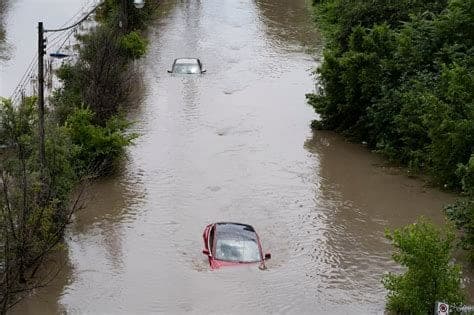
After every major hurricane, hailstorm, or river flood, tens of thousands of vehicles get a quiet second life. Insurance carriers total them, salvage auctions move them across state lines, and a small percentage end up back on consumer marketplaces with a fresh detail and a story you can't independently verify. The seller may not even know — the car they bought at a wholesale auction six months ago might already have been laundered through two title states.
This guide gives you the seven physical checks a competent mechanic walks through in fifteen minutes, plus the one data check that catches the cars whose physical evidence has already been hidden. Together they cover the realistic ways a flooded vehicle reaches a private buyer in 2026.
60-second answer
Smell the interior, lift the carpets, pull the back seat, check the dash electronics, peek under the spare-tire well, look for waterline corrosion on the seat rails, then run a VIN history report. Any single red flag is enough to walk away.
Why flooded cars resurface — and where they're sold
When an insurer pays out a total loss, the car goes to a salvage auction (Copart and IAA together handle the vast majority of US salvage in 2026). Auctions are open to licensed dealers and rebuilders. A rebuilder takes a flooded car for a fraction of its pre-loss value, replaces the obviously ruined parts, dries everything they can dry, and registers it in a state with weaker brand-carryover rules. Once a clean title issues in the new state, that car can travel back across the country and appear on Craigslist, Facebook Marketplace, or even franchised used-car lots — sometimes without the brand following it.
The National Motor Vehicle Title Information System (NMVTIS) was designed to stop exactly this kind of title washing, and it works most of the time. But the system depends on every state, every insurance carrier, and every salvage yard reporting their data on time. There are gaps, especially in the first 30–60 days after a disaster, which is precisely when many flooded cars start moving.
The seven physical checks (in priority order)
1. Smell test, with the AC and heat off
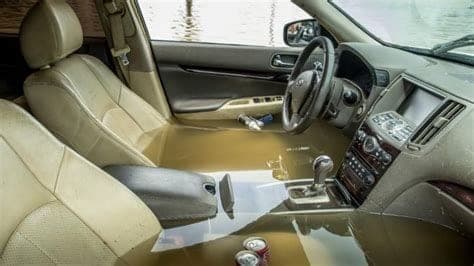
Sit in the driver's seat with the doors closed and the climate system off. Take a long breath through your nose. Mildew, damp paper, or a chemical 'too clean' smell (someone tried to mask it) are all warning signs. Then turn the AC on and smell what comes out of the vents — water that sat in the evaporator core or blower motor housing can produce a distinctive musty odor when forced air flows through it.
2. Lift the floor mats and feel the carpet beneath
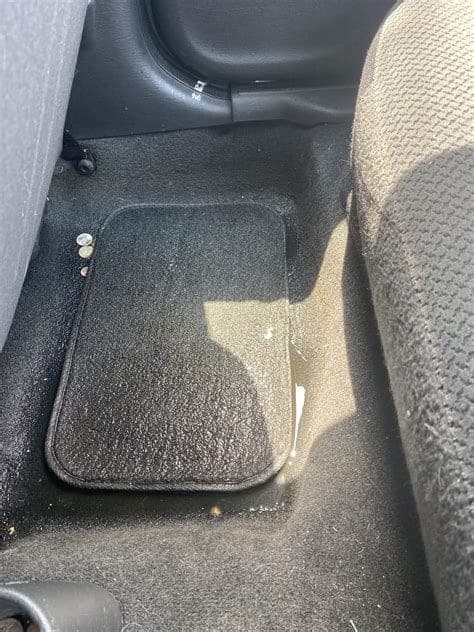
Don't trust new-looking mats — they're $40 to replace. The carpet underneath is what matters. Press firmly with your knuckles in the front and rear footwells. If it feels damp, gritty, or unusually springy (the underlayment can swell), that car was wet inside at some point.
3. Pull up the back-seat bench
Most back seats lift out with a single tug at the front edge. Once it's up, look at the metal floor pan, the seat-belt anchor bolts, and the wiring harness running across the floor. Surface rust on the bolts, white salt residue around the seat-belt mounts, or any sign of mineral deposits in the harness loom is high-confidence evidence of flooding.
4. Inspect the spare-tire well and undercarriage
Open the trunk and lift the spare. The well underneath is one of the lowest points in the body shell and water settles there. Look for waterline staining, surface rust on the jack, and damp foam. Then crawl underneath the car (or have a mechanic do it) and look at the unibody seams and frame rails — flooded cars often show recent undercoating that's been applied over corrosion the seller wanted to hide.
5. Test every electrical accessory
Water and modern automotive electronics don't coexist gracefully, even when the car appears to start fine. Cycle every window, every door lock, the sunroof, the heated seats, the infotainment system, every audio source, the rear defroster, the cruise control, and every dash warning light. Flickers, slow responses, or intermittent errors in two or more unrelated systems are a strong signal of corrosion in connectors that haven't failed yet but will.
6. Look at the seat rails, belt webbing, and dash hardware
Run a finger along the metal seat rails and under the seat-belt webbing where it normally retracts into the trim. Mineral residue, white salt crystals, or a stiff, crunchy texture in the belt webbing is hard to detail out. Same for the screws that hold the dashboard and door cards together — flood cars often show rust starting at fastener heads.
7. Read the inside of the headlights and tail lights
Modern sealed headlight assemblies are watertight when intact. Condensation, a high-water tide mark on the inside of the lens, or a small puddle inside the assembly is something you can't easily fake or fix without replacing the whole unit. Cracked or replaced lights on an otherwise clean car can also mean impact during a flood.
What dealers will tell you (and why it's not enough)
"It's been certified pre-owned." CPO programs vary wildly and most don't include a flood-specific inspection. A CPO certificate is not a substitute for an NMVTIS-backed history report — they answer different questions.
The data check: what a VIN history report tells you
Even a perfectly executed physical inspection misses one thing: cars that were declared a total loss but then re-titled in a state that doesn't carry the flood brand forward. That's where the National Motor Vehicle Title Information System comes in. NMVTIS is a federal database fed by every state DMV, every participating insurance carrier, and every junk and salvage yard. When a car has been reported as a flood loss anywhere in the country, the record stays in NMVTIS even if a later title doesn't show the brand.
A VIN history report pulled at the moment you're considering an offer will surface the original flood declaration, every state the car has been titled in, the recorded total-loss event, and any salvage-yard receipt. The report can't physically inspect the car, but it can answer one question the seller can't: has this VIN ever been declared a total loss for water damage?
Red-flag patterns specific to flooded resales
- The car is titled in a state hundreds of miles from where it's being sold, and the title issued within the last six months.
- The seller offers an unusually low price for a car of that year and mileage, with a vague explanation ("I'm moving," "my dad passed").
- There's a recent CarFax/AutoCheck report, but no NMVTIS-backed history.
- The interior smells too strongly of leather cleaner or new-car spray.
- The seller will only accept cash, won't let you take it to a mechanic, or pressures a same-day decision.
- Carpet looks brand new on a five-year-old car — and the rest of the wear matches the mileage.
When you find flood evidence — your options
If you've already paid, your recourse depends on whether the seller knew. Most US states have an Unfair and Deceptive Acts and Practices (UDAP) statute that gives a private buyer a right of rescission for material undisclosed defects. A documented NMVTIS hit combined with photos of the physical evidence is usually enough for a small-claims case or a strongly-worded demand letter. Document everything before you confront the seller.
If you haven't paid yet, the answer is simple: walk away and tell the seller why. A flooded car is not a discount opportunity. The electrical problems get worse, not better, as corrosion advances inside the wiring harness — and most of the fixes are not fixes, they're maintenance you'll be performing for the rest of your ownership.
What to do next
Before you put down a deposit on any used vehicle: lift the back seat, smell the carpet, then pull a VIN history report. The combined cost is twenty minutes and the price of one report — versus the average cost of unwinding a flooded-car purchase, which industry data puts north of $4,000.
About the author
CarCheckerVIN Editorial Team
In-house automotive research team
The CarCheckerVIN editorial team combines decades of automotive industry, dealer, and journalism experience to produce trustworthy buying, selling, and ownership guidance backed by NMVTIS, NICB, and manufacturer data.
See more of our guides on Google
Add CarCheckerVIN as a preferred source and Google will show our guides more often in your results.

Keep reading
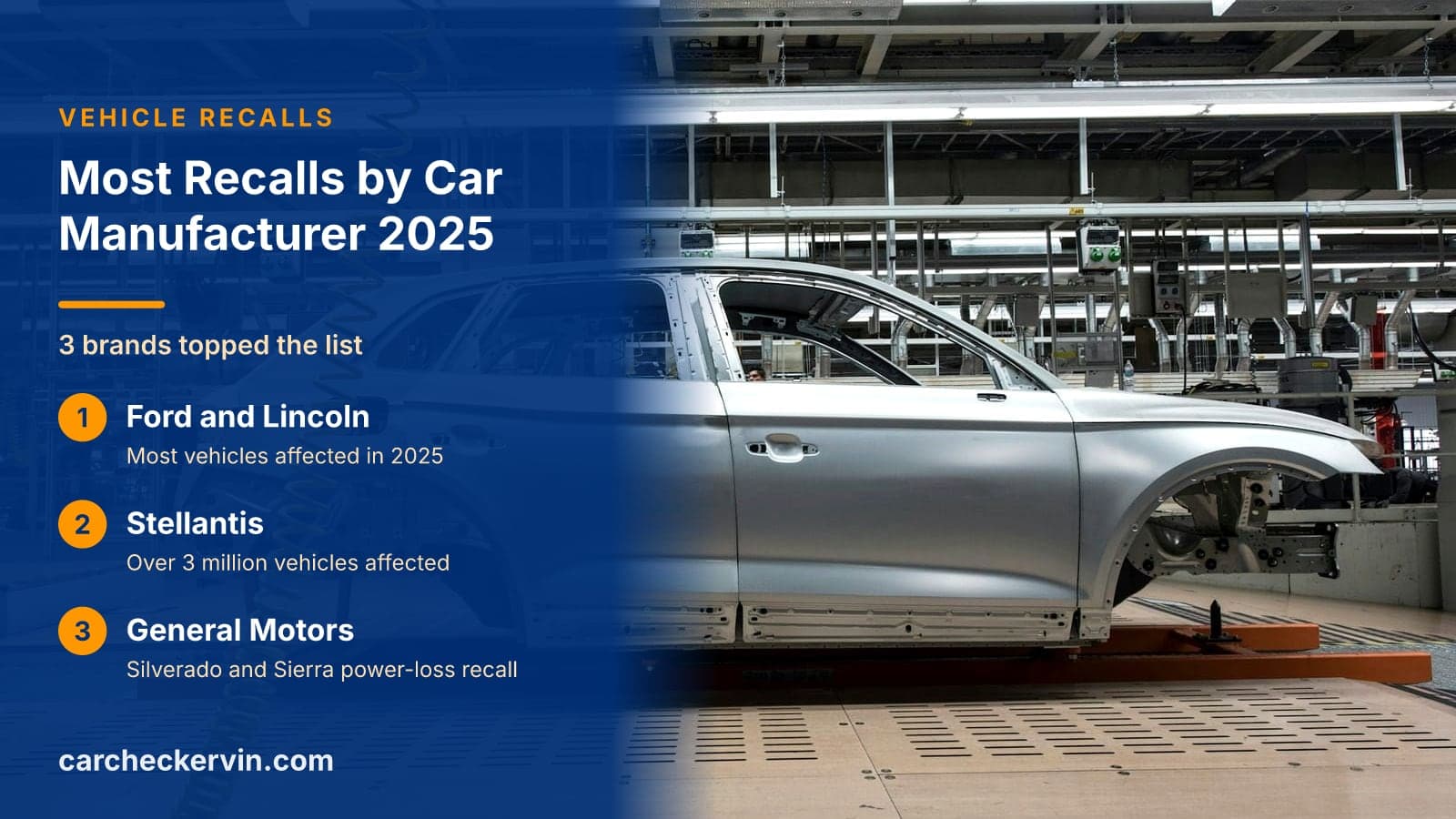
Most Recalls By Car Manufacturer 2025: Which Brands Put Buyers at Risk
Recall volume varies wildly by brand. Before buying used, know which manufacturers topped NHTSA's 2025 recall lists — and what that means for your wallet and safety.
Oct 6, 2026 · 10 min read
Car Frame Damage Repair Cost: What Buyers and Owners Actually Pay
Frame damage can turn a promising used-car deal into a money pit. Here is what repairs actually cost, which damage types are fixable, and when the math says walk away.
Sep 30, 2026 · 11 min read
VIN Etching: What It Is, How It Works, and When It's Worth Paying For
VIN etching engraves your car's 17-character VIN into its window glass so a thief can't resell the car or its parts without replacing every pane. It's a real deterrent, it's often free, and it's also one of the most marked-up add-ons on a dealer's menu. Here's how to tell the two apart.
Sep 16, 2026 · 10 min read