Mileage Rollback: How to Spot Odometer Fraud Before You Pay
Digital odometers haven't ended rollback fraud — they've made it harder to spot. Here are the eight checks that catch a tampered odometer before you sign anything.
Check the car you're reading about
Free VIN decode and recall check
Factory specs and open NHTSA recalls in seconds. No sign-up.
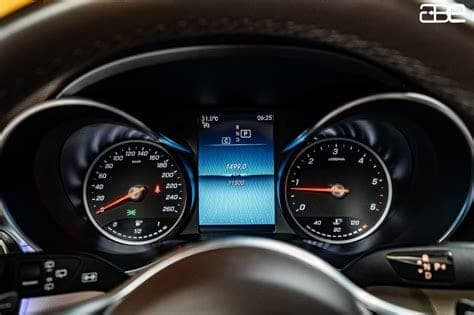
Odometer fraud sounds like a 1970s problem — mechanical odometers spinning backward in a shop with a drill and a screwdriver. It isn't. The National Highway Traffic Safety Administration estimates that more than 450,000 vehicles are sold each year in the US with rolled-back odometers, and that the practice costs American buyers over a billion dollars annually. Digital odometers haven't ended the fraud; they've made it less obvious by removing some of the physical evidence buyers used to look for.
Here are eight checks — four physical, four data-based — that catch the vast majority of rollback attempts before any money changes hands.
60-second answer
Check the steering wheel, driver's seat bolster, pedal pads, and door handles for wear that matches the displayed mileage. Then pull the vehicle's reported odometer history from NMVTIS — every state inspection, oil change, and title transfer creates a recorded reading. A 30,000-mile gap is impossible to fake.
Why rollback is still profitable in 2026
Every 10,000 miles knocked off the odometer adds roughly $300–700 to a typical sedan's market value and considerably more on trucks and SUVs. A rollback of 50,000 miles on a five-year-old crossover can shift the asking price by $3,000–5,000. The cost of the rollback itself — using OBD-II tools widely sold online despite being illegal to use for this purpose — is under $200. The math is irresistible to the kind of seller who's already willing to defraud you.
Federal law (49 U.S.C. § 32703) makes it a felony to disconnect, reset, or alter an odometer with intent to change the mileage reading. Convictions carry up to three years in prison and substantial fines. Enforcement focuses on volume offenders — dealers and rebuilders who do it at scale. Private-party rollbacks are charged less often but the law applies equally.
The four physical checks
1. Steering wheel and shift knob
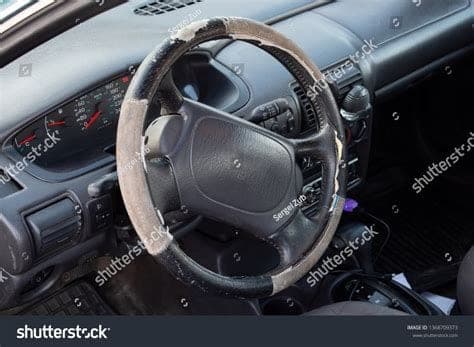
The driver's side of the steering wheel — typically the 9- and 3-o'clock positions where hands rest naturally — wears smooth from use. A 30,000-mile car has a barely-perceptible polish. A 100,000-mile car has visibly worn leather or a flat spot in the rubber. If the displayed mileage says 45,000 but the wheel looks like 120,000, that's your answer. Same logic applies to a manual shift knob.
2. Driver's seat bolster
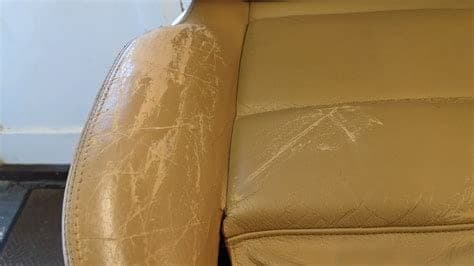
The left side of the driver's seat (the outer bolster) takes daily wear from people sliding in and out of the car. A low-mileage car has firm, evenly-shaped bolsters. A high-mileage car has a collapsed, cracked, or visibly scuffed driver's bolster — and the passenger side typically looks brand new by comparison. This is one of the hardest things for a seller to hide because replacing a seat cover or having the leather repaired is expensive and shows up under any close inspection.
3. Pedal pads
Rubber pedal pads wear smooth with use. The brake pedal in particular tells the story because it's used every time the car moves. A car with 25,000 displayed miles should still have the original mold lines on the pedal rubber. A car with 100,000+ miles will have rounded edges, smooth surfaces, and possibly a worn-through patch where the driver's heel sits.
4. Door handles, switches, and the key
The interior door handle on the driver's side, the volume knob on the infotainment system, the climate control dials, and the wear pattern on the ignition key (if it's a physical key) — all of these accumulate small abuses with every use. Worn-out switches and a polished key fob on a 'low-mileage' car are red flags that something's off.
The four data checks
5. Vehicle history report odometer log
Pull a full vehicle history report before any test drive. The report's odometer history section lists every recorded mileage reading from every source: state safety inspections, emissions tests, oil-change service centers that report to data partners, dealer service visits, insurance claim photographs, and title transfers. Each reading is timestamped. Look at the sequence: if the car had 95,000 miles in March 2024 and is now showing 51,000 miles in June 2026, that's not just a red flag — it's prosecutable fraud.
6. The federal Odometer Disclosure Statement on the title
Every title transfer in the US since 1986 requires an Odometer Disclosure Statement signed by the seller, certifying the mileage at the time of transfer. Pull the current title and any previous title (the seller should have access via their DMV). Each title shows the disclosed mileage at transfer. The mileage should monotonically increase across each transfer. If transfer #2 shows less mileage than transfer #1, you've found the rollback.
7. Service records and maintenance stickers
Most oil-change shops put an under-hood sticker showing the date and mileage of the last service. Look at that sticker and at any service records the seller can produce. Check whether the displayed odometer and the most recent service reading are consistent. Also check whether the brake fluid bottle, the timing-belt sticker, and the air filter date stamps line up with the displayed mileage trajectory.
8. NMVTIS title brand history
NMVTIS occasionally carries an 'odometer brand' on the title — applied when a state DMV has reason to believe the mileage is inaccurate (e.g. the disclosed mileage on a transfer was lower than the previously recorded one). A title with an existing odometer brand is unambiguous: walk away or accept the car is being sold with a known false reading.
Newer cars aren't immune
Modern OBD-II rollback tools can edit the mileage stored in a vehicle's instrument cluster and in some cases the engine ECU. They typically can't edit every module in the car simultaneously — which is how a skilled mechanic catches them. If you suspect rollback, have a dealer pull mileage from multiple modules (transmission, body control, infotainment); discrepancies are evidence.
Categories of vehicle most often rolled back
- Trucks and SUVs — the highest dollar uplift per 10K miles removed.
- Three- to seven-year-old vehicles — old enough to have accumulated real mileage, young enough that low-mileage versions are still worth a premium.
- Lease returns and fleet vehicles — buyers expect high mileage, so a 'low' lease return commands a disproportionate price bump.
- Cars sourced from auction by small independent dealers — the supply chain has the most opportunities and the least accountability.
If you discover rollback after purchase
Document everything immediately. Photograph the physical wear, save the vehicle history report PDF, get the most recent service record, and write down what the seller said about the mileage. Then file a complaint with your state's attorney general (every state has a consumer-protection division) and NHTSA's Office of Odometer Fraud Investigation. Federal odometer fraud is a felony and the buyer is entitled to triple actual damages or $10,000 — whichever is greater — under 49 U.S.C. § 32710.
If the seller is a licensed dealer, also file a complaint with your state's DMV dealer regulation division. Dealers can lose their license over a single substantiated rollback complaint and most will offer a full refund rather than fight.
What to do next
Before you put down a deposit: examine the steering wheel, driver's seat, and pedal pads — three minutes. Then pull a VIN history report and read the odometer history section — two minutes. If those two checks pass, you've eliminated the vast majority of rollback risk.
About the author
CarCheckerVIN Editorial Team
In-house automotive research team
The CarCheckerVIN editorial team combines decades of automotive industry, dealer, and journalism experience to produce trustworthy buying, selling, and ownership guidance backed by NMVTIS, NICB, and manufacturer data.
Keep reading
Most Recalls By Car Manufacturer 2025: Which Brands Put Buyers at Risk
Recall volume varies wildly by brand. Before buying used, know which manufacturers topped NHTSA's 2025 recall lists — and what that means for your wallet and safety.
Oct 6, 2026 · 10 min read
Car Frame Damage Repair Cost: What Buyers and Owners Actually Pay
Frame damage can turn a promising used-car deal into a money pit. Here is what repairs actually cost, which damage types are fixable, and when the math says walk away.
Sep 30, 2026 · 11 min read
VIN Etching: What It Is, How It Works, and When It's Worth Paying For
VIN etching engraves your car's 17-character VIN into its window glass so a thief can't resell the car or its parts without replacing every pane. It's a real deterrent, it's often free, and it's also one of the most marked-up add-ons on a dealer's menu. Here's how to tell the two apart.
Sep 16, 2026 · 10 min read