RV & Camper VIN Check: Why It's Different from a Car
RVs and campers have multi-VIN structures, dual title trails, and recall categories that cars never have to worry about. Here's the complete RV VIN check guide.
Check the car you're reading about
Free VIN decode and recall check
Factory specs and open NHTSA recalls in seconds. No sign-up.
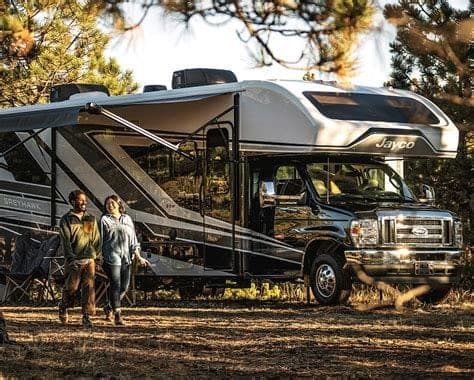
RVs and campers look like cars when you're shopping for them — same dealer lots, same private-party listings, same Marketplace and Craigslist channels. They're not. An RV has a chassis VIN (the underlying truck or van that the coach sits on) AND a coach VIN (the manufactured house portion). Recalls can target either or both. Title trails can split between the chassis manufacturer and the coach manufacturer. Insurance, financing, and lien rules differ. And the inspection priorities — water damage, slide-out mechanics, propane systems, roof integrity — are entirely different from cars.
Here's the complete VIN-check playbook for used RV and camper buyers.
60-second answer
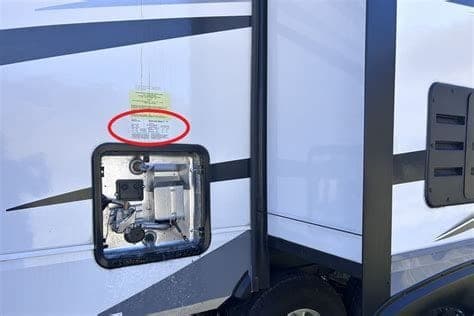
Find both the chassis VIN (under the hood or driver's door jamb) AND the coach VIN (interior data plate, usually inside a cabinet). Run history reports on both. Check chassis recalls at the chassis brand (Ford, Chevy, Freightliner) and coach recalls at the coach brand (Winnebago, Tiffin, etc.) separately. Inspect for water damage at every seam.
RV types and what's actually 'the vehicle'
Class A motorhome
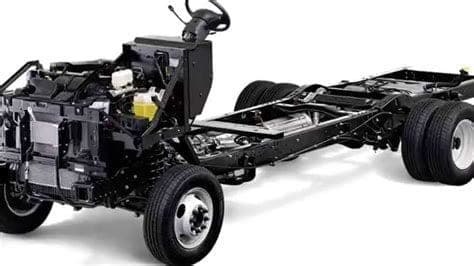
Built on a heavy-duty chassis (Freightliner, Spartan, Ford F-53). The chassis has a VIN at the standard truck locations: driver's door jamb, dashboard, and engine block. The coach (the house portion) has its own data plate inside the coach, usually in a cabinet near the driver's seat or in the bedroom.
Class B (camper van)
Built on a cargo van chassis (Mercedes Sprinter, Ford Transit, Ram ProMaster). The chassis VIN is in the normal car/truck locations. The coach builder (Airstream Interstate, Roadtrek, Storyteller Overland, etc.) typically affixes a separate data plate but reuses the chassis VIN as the legal vehicle identifier in many states.
Class C motorhome
Cutaway-cab chassis (Ford E-350/E-450, Chevy Express). The cab has the chassis VIN; the coach behind it has the coach VIN.
Travel trailer / fifth wheel
Towed, not motorized — there's no engine and no chassis VIN. The coach VIN is the only VIN. Title and registration follow trailer rules (varies by state).
Why dual-VIN matters for buyers
When you pull a vehicle history report on an RV's chassis VIN, you typically get the truck or van portion: title brands, accidents, odometer history, recalls on the chassis. You DON'T get coach-specific recalls (a defective slide-out mechanism, a faulty propane regulator, a water-heater recall), and you may miss coach-side incidents that the title trail recorded separately.
Run a chassis VIN history report AND check the coach manufacturer's recall portal separately (most coach makers have a website lookup tool by serial number). Insurance claims that damaged only the coach (e.g., a low-clearance hit that damaged the roof but not the engine) are sometimes recorded on neither — which is why physical inspection of the coach matters disproportionately.
Recalls: chassis vs coach
Chassis recalls
Standard automotive recalls — airbag inflators, brake systems, fuel pumps, transmission control modules. Checked at the chassis manufacturer's dealer (a Ford E-450 chassis is serviced at any Ford commercial dealer; a Freightliner chassis at a Freightliner dealer). Usually free.
Coach recalls
Everything from the chassis back: propane regulators, electrical converters, generator carbon-monoxide detection, water-heater tank corrosion, slide-out hydraulic systems, refrigerator fire risks. Checked at the coach manufacturer (Winnebago, Tiffin, Jayco, etc.). The NHTSA recall portal at nhtsa.gov/recalls covers some coach recalls but coverage is less consistent than for cars.
Water damage: the #1 RV killer
Water intrusion is to RVs what flooding is to cars — only chronic and harder to spot. Every roof seam, every window seal, every slide-out gasket is a potential leak point. By the time you can see water damage on the interior, the underlying wood structure (most RVs use plywood and OSB sheathing) is usually already compromised.
On any used RV inspection:
- Climb on the roof. Look at every seam (around the AC unit, the antenna, the vents, the edges where roof meets sidewall). Caulking should be uniform and not cracked or peeling.
- Inside, push firmly on the ceiling near the corners and at any wall-to-ceiling joint. Soft spots indicate water-damaged structure.
- Look for ceiling stains, especially in light-colored areas around windows, vents, and roof penetrations.
- Open every cabinet door and look in the corners; trapped water can pool here.
- Sniff for mildew — same test as a flooded car.
- Check the floor around the door, under the slide-outs, and around the toilet for delamination or spongy spots.
Slide-outs: a major mechanical risk
Slide-outs (the room extensions that motor out when the RV is parked) are one of the most expensive things to repair on a used RV. The motor, gears, seals, and floor track can all fail. On a used-RV inspection:
- Operate every slide-out fully out and back in. Listen for binding, popping, or motor strain.
- Look at the seal where the slide-out meets the main coach wall — should be intact, uniformly compressed, no daylight visible.
- Check the floor inside the slide-out for water staining, especially in corners.
- Verify the slide-out is plumb when extended (it shouldn't tilt or sag).
Mileage and engine considerations
RV chassis are built for higher mileage than passenger cars, but the engines often see hard use under heavy load. A Class A motorhome's diesel engine can run 200,000+ miles with proper maintenance; a Class B van engine generally has a shorter life under the load of a coach conversion.
On the test drive:
- Accelerate hard up a hill — listen for unusual exhaust sounds and watch for excessive smoke.
- Brake hard from highway speed in a safe area. RV brakes work harder than car brakes and wear faster.
- Check engine oil and transmission fluid color and smell. Transmission fluid that smells burnt indicates pending failure.
- Verify the generator starts and runs under load (turn on the AC). Generator failure is a $4,000-7,000 repair.
Lien check is critical on RVs
RV loans run longer (often 15-20 years) than car loans, and RVs depreciate slower than cars in some segments — which means many used RVs are still under loan when sold. Run a lien check via the state DMV on the chassis VIN before paying. If a lien exists, pay the lender directly at closing (same playbook as cars).
Insurance and registration quirks
- Most states register Class A and Class C motorhomes as 'motor vehicles' (same category as trucks) — register the same way you would a car.
- Travel trailers and fifth wheels register as 'trailers' with separate fee structures.
- RV-specific insurance carriers (Good Sam, Foremost, Progressive RV) offer coverage tailored to RV use patterns. Standard auto insurance won't cover RV-specific risks like awning damage, slide-out failures, or interior water damage.
- Personal-use vs full-time-use distinction matters for insurance — declare honestly, because misrepresentation can void coverage at claim time.
What to do next
RV purchases reward patience and diligence. Find both VINs, run history reports on both, check recalls at both the chassis and coach manufacturers, then inspect for water damage at every seam. The cheapest mistake is the one you catch before paying.
About the author
CarCheckerVIN Editorial Team
In-house automotive research team
The CarCheckerVIN editorial team combines decades of automotive industry, dealer, and journalism experience to produce trustworthy buying, selling, and ownership guidance backed by NMVTIS, NICB, and manufacturer data.
Keep reading
Most Recalls By Car Manufacturer 2025: Which Brands Put Buyers at Risk
Recall volume varies wildly by brand. Before buying used, know which manufacturers topped NHTSA's 2025 recall lists — and what that means for your wallet and safety.
Oct 6, 2026 · 10 min read
Car Frame Damage Repair Cost: What Buyers and Owners Actually Pay
Frame damage can turn a promising used-car deal into a money pit. Here is what repairs actually cost, which damage types are fixable, and when the math says walk away.
Sep 30, 2026 · 11 min read
VIN Etching: What It Is, How It Works, and When It's Worth Paying For
VIN etching engraves your car's 17-character VIN into its window glass so a thief can't resell the car or its parts without replacing every pane. It's a real deterrent, it's often free, and it's also one of the most marked-up add-ons on a dealer's menu. Here's how to tell the two apart.
Sep 16, 2026 · 10 min read