Stolen Car VIN Check: How to Verify Before You Buy
Buy a stolen car and you can lose both the vehicle and the money. Here's how to verify a VIN against the NICB and NMVTIS databases before any cash changes hands.
Check the car you're reading about
Free VIN decode and recall check
Factory specs and open NHTSA recalls in seconds. No sign-up.
Buying a stolen car — even completely unknowingly — is one of the few transactions in American consumer law where the buyer typically loses everything. The vehicle gets seized and returned to the rightful owner or insurer. The money you paid is gone, recoverable only by suing the seller (assuming you can find them, and assuming they have assets). Your insurance won't cover the loss because the title transfer was never legally valid.
Twenty minutes of free checks and one paid report cover the realistic ways this happens. Here's the playbook.
60-second answer
1. Check the VIN against the free NICB VINCheck database. 2. Pull an NMVTIS-backed history report. 3. Physically match the VIN on the dash, the door jamb sticker, and the title document. 4. Make sure the seller's ID matches the name on the title. Any mismatch = walk away.
The three places a 'stolen' car comes from
Most stolen vehicles in 2026 fall into one of three resale pipelines. Each has its own warning signs.
1. Direct theft + immediate resale
An opportunistic thief takes the car and sells it cheap and fast on Craigslist, Facebook Marketplace, or in a private parking lot. The original VIN is intact because there's no time to alter it. These are the easiest to detect: the title is missing or 'in the mail,' the seller wants cash same-day, and the price is well below market. The free NICB VINCheck catches most of these within 30 days of the theft being reported.
2. VIN cloning
An organized ring steals a car, then finds a similar make/model/year/color on a legitimate sale listing. They duplicate the VIN of the legitimate car and stamp or sticker it onto the stolen one. The fake car gets a 'real' history when you look it up. This is harder to detect — you need to physically check that all the VIN locations match each other and that the federal sticker on the door jamb hasn't been tampered with.
3. Stolen-then-rebuilt
Some stolen cars get crashed in chases or otherwise damaged, then get processed through salvage auctions and end up with a rebuilt title. The theft event is in NMVTIS but may not be on the new title. A full vehicle history report catches the theft record even when the title doesn't show it.
Check 1: NICB VINCheck (free)
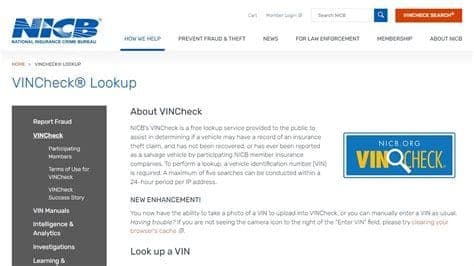
The National Insurance Crime Bureau maintains a free VIN-lookup tool at nicb.org/vincheck. It searches against two databases: theft records that haven't yet been recovered, and salvage records from participating insurance carriers. You get five searches per IP per day, and the result is binary: 'no record' or 'record found.'
A clean NICB result is necessary but not sufficient. NICB only has records that participating carriers and law enforcement have submitted. Recent thefts may not appear for several weeks. Foreign-market thefts (cars shipped from overseas) won't show up. Always treat NICB as the first filter, not the only one.
Check 2: Physical VIN verification
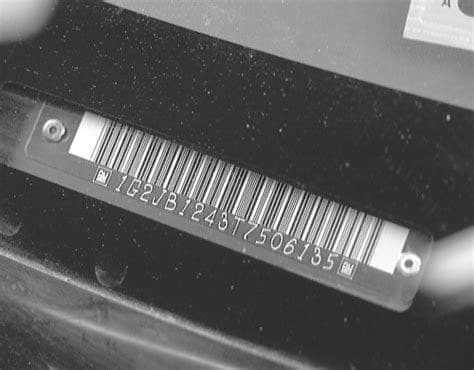
Every passenger vehicle sold in the US has the VIN in at least four places. They must all match each other exactly. Take a flashlight and check each one before any money changes hands.
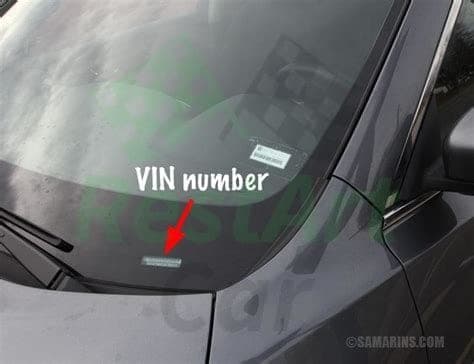
- Dashboard VIN — visible through the windshield at the base on the driver's side. This is the one most people check.
- Driver's door jamb sticker — a federal safety-standards sticker that includes the VIN, the vehicle's manufacture date, and the gross vehicle weight rating. Look at the sticker carefully: if it's peeling, has been re-applied, or the lamination is bubbled, treat that as a major red flag.
- Engine block stamping — usually on the front or top of the engine block, harder to see but standard on all US vehicles. A mechanic can locate it in 60 seconds.
- Title document and registration — the VIN must match the previous three locations exactly. One transposed character is enough to invalidate the title transfer.
What VIN cloning looks like in person
The dash VIN is correct. The door jamb sticker is missing, damaged, or visibly different in font/weight from a normal sticker. The engine VIN doesn't match. The title looks correct but the seller's name doesn't match their ID, or the title was issued recently in a state where the car has never been registered. Any of those, alone, is enough to walk.
Check 3: NMVTIS-backed history report
A paid VIN history report accesses the federal NMVTIS database plus commercial sources like insurance carriers and salvage yards. Unlike NICB's free tool, NMVTIS includes every reported title transfer, every state of registration, every insurance total-loss event, every salvage-yard receipt, and every reported theft — even from years ago. If a car was stolen in 2019, recovered, and quietly retitled, NMVTIS still has the record. Most consumer-facing NMVTIS reports cost $10–25 per VIN and are returned in under a minute.
Specifically look for: title transfers between states with no corresponding ownership transfer (a sign of laundering), recent re-titling in a state where the car has no other history, theft or recovery records, and any insurance total-loss event.
Seller red flags that no database can catch
- The seller can't or won't show government-issued ID.
- The name on the seller's ID doesn't match the name on the title.
- The title is missing, 'in the mail,' or 'at the bank.'
- The seller will only meet in a public parking lot, not at their home.
- They demand cash and refuse a cashier's check, ACH, or escrow.
- The price is more than 20% below comparable listings for the same year/make/model/mileage.
- The seller pressures a same-day decision or refuses a third-party mechanic's inspection.
- The 'seller' is selling on behalf of someone else (a relative, a friend who's out of town).
If you discover the car is stolen after you've paid
Stop driving it immediately. Continued use after discovering theft can expose you to additional criminal liability. Call your local police non-emergency line and report what you've found. Bring the bill of sale, the seller's contact information, and your physical evidence. The car will almost certainly be returned to its rightful owner or their insurer; your only path to recovery is civil action against the seller.
Practically, this is why all the upfront diligence matters. Once cash is gone and the car is gone, the legal system rarely makes the victim whole.
What to do next
Before you transfer any money: NICB free check, physical VIN match across four locations, NMVTIS-backed history report, seller-ID match against title. Four checks, twenty minutes, total cost under $20. Compared to losing the entire purchase price, the math isn't close.
About the author
CarCheckerVIN Editorial Team
In-house automotive research team
The CarCheckerVIN editorial team combines decades of automotive industry, dealer, and journalism experience to produce trustworthy buying, selling, and ownership guidance backed by NMVTIS, NICB, and manufacturer data.
Keep reading
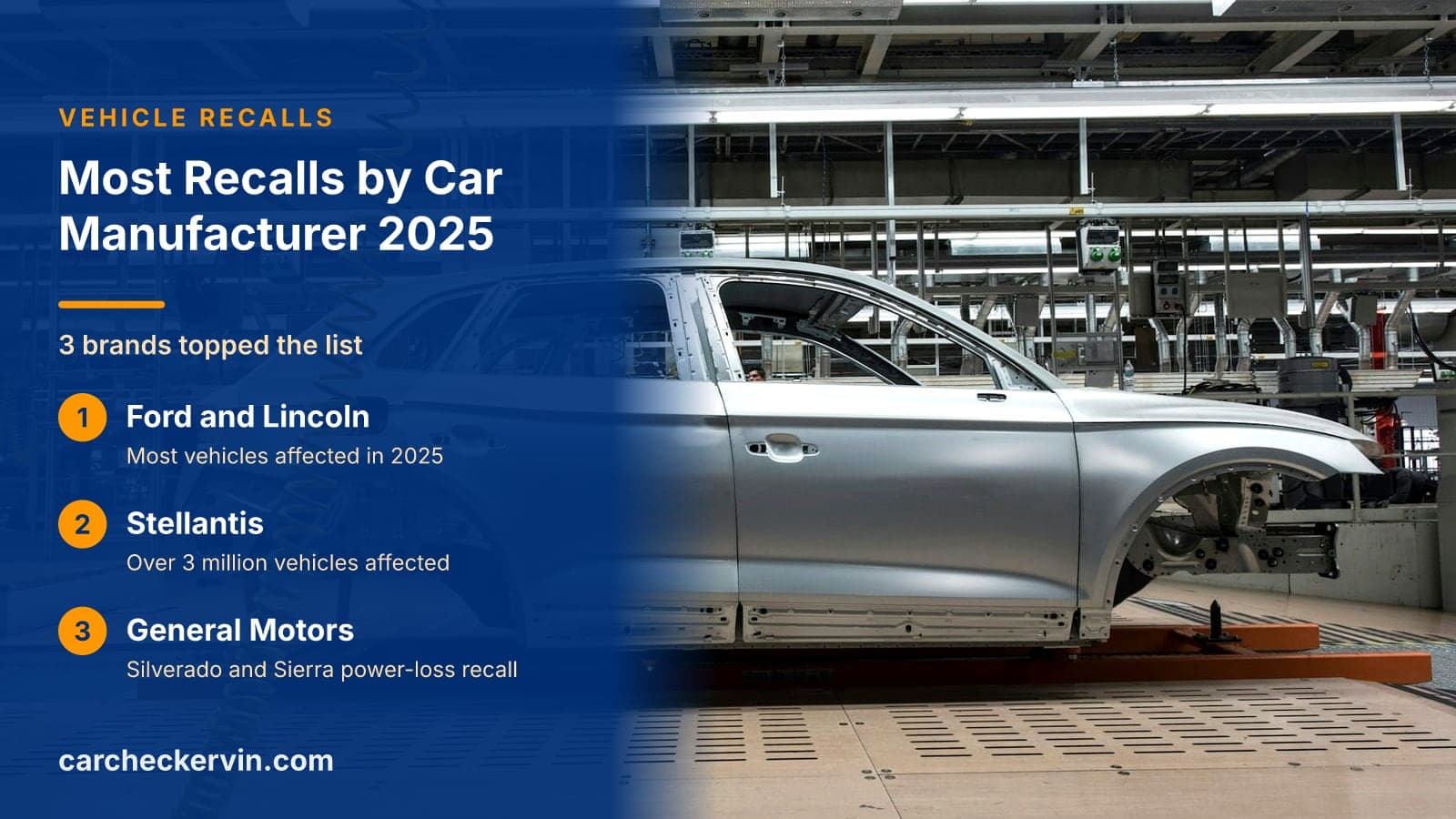
Most Recalls By Car Manufacturer 2025: Which Brands Put Buyers at Risk
Recall volume varies wildly by brand. Before buying used, know which manufacturers topped NHTSA's 2025 recall lists — and what that means for your wallet and safety.
Oct 6, 2026 · 10 min read
Car Frame Damage Repair Cost: What Buyers and Owners Actually Pay
Frame damage can turn a promising used-car deal into a money pit. Here is what repairs actually cost, which damage types are fixable, and when the math says walk away.
Sep 30, 2026 · 11 min read
VIN Etching: What It Is, How It Works, and When It's Worth Paying For
VIN etching engraves your car's 17-character VIN into its window glass so a thief can't resell the car or its parts without replacing every pane. It's a real deterrent, it's often free, and it's also one of the most marked-up add-ons on a dealer's menu. Here's how to tell the two apart.
Sep 16, 2026 · 10 min read