Used Truck VIN Check: 6 Things Cars Don't Need That Trucks Absolutely Do
Trucks live harder lives than cars. A used truck VIN check reveals six categories of abuse and damage that simply don't apply to sedans. Here's your field guide.
On this page
- 1. Frame Damage and Rust-Through
- 2. Plow and Commercial-Use History
- 3. Towing Stress That Cars Never See
- 4. Diesel-Specific Red Flags
- 5. Off-Road Abuse and Flood Exposure
- 6. Aftermarket Suspension and Lift Kit Modifications
- How Truck Title Brands Differ From Car Title Brands
- The Bottom Line on Truck-Specific VIN Checks
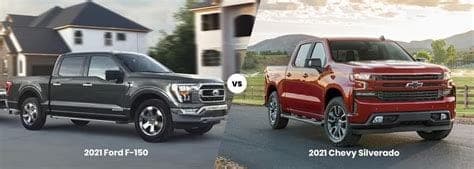
You found a used F-250 with 80,000 miles and a price that seems almost too reasonable. The paint looks decent. The interior isn't trashed. The seller says it was "lightly used." But trucks aren't cars. A half-ton pickup that spent three winters plowing parking lots has lived a fundamentally different life than a Camry that commuted to an office park. The wear patterns differ. The failure points differ. And the things you need to verify before handing over cash differ in ways most buyers never consider. A used truck VIN check covers ground that a standard car history report doesn't need to touch.
60-second answer
Trucks face frame stress, plow duty, commercial towing, off-road abuse, diesel-specific problems, and aftermarket suspension modifications that cars almost never encounter. A used truck VIN check flags these six risk categories through title brands, reported damage, odometer patterns, and registration history that a generic car report won't emphasize.
1. Frame Damage and Rust-Through
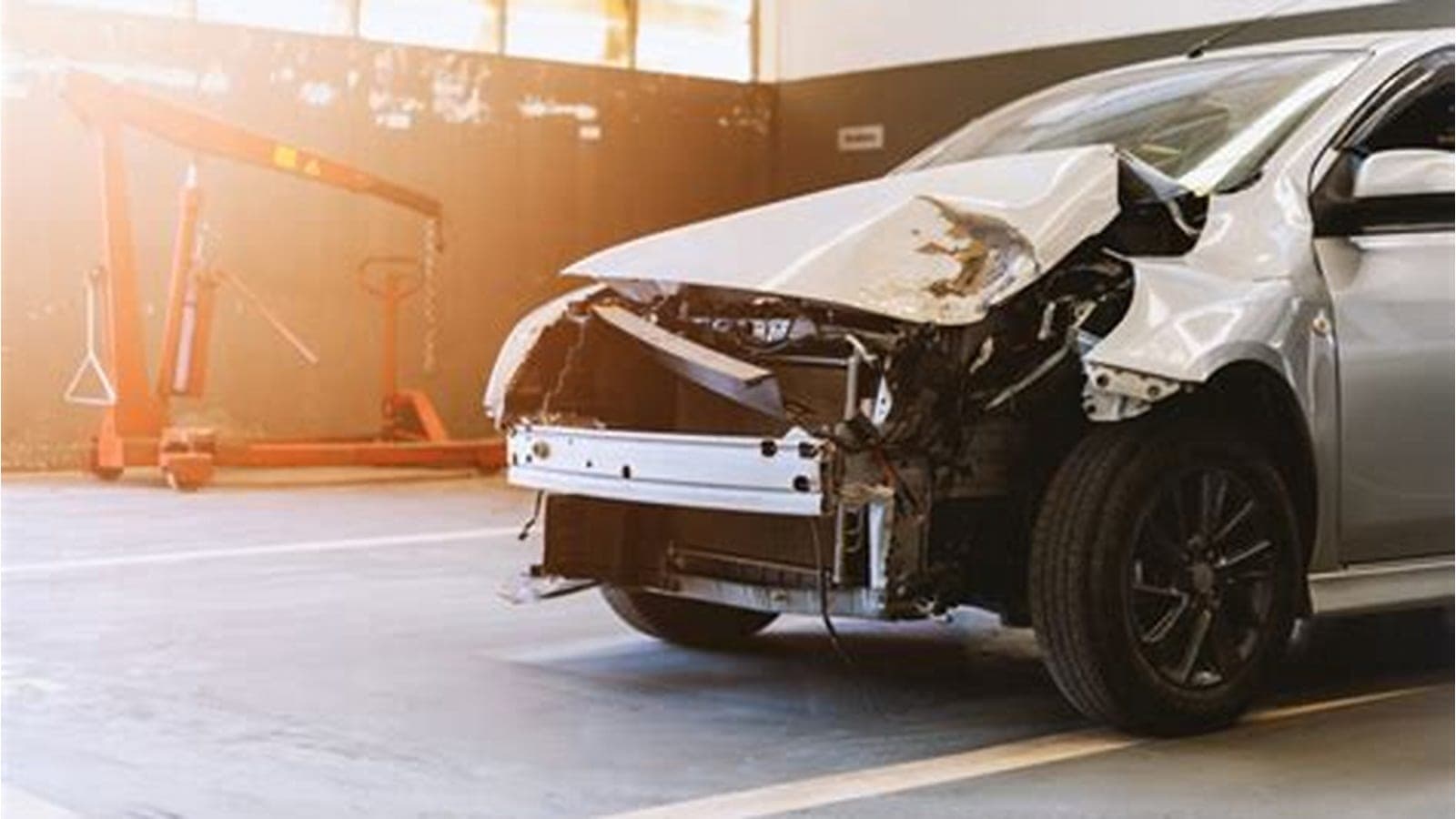
Cars are almost universally unibody now. Trucks still use body-on-frame construction (with a few exceptions like the Honda Ridgeline). That frame is a structural backbone, and it corrodes, bends, and cracks in ways that unibody cars simply don't experience. A used truck VIN check can surface reported structural damage from insurance claims, and NMVTIS data will flag a salvage or rebuilt title if the frame was compromised badly enough to total the vehicle. But here's what catches people: a frame can be significantly rusted without ever triggering an insurance event. Salt-belt trucks from Michigan, Ohio, Minnesota, and the Northeast are notorious for this. When you pull a VIN report, pay close attention to the registration history. If that "Texas truck" spent its first six winters registered in Buffalo, you have homework to do underneath it.
2. Plow and Commercial-Use History
Plowing destroys trucks. The hydraulic stress on the front suspension, the constant forward-and-reverse transmission cycling, the electrical load from plow controls and strobe lights (these all add up fast). A truck that plowed commercially for three seasons may have the equivalent wear of 150,000 highway miles, even if the odometer reads 60,000. When you run a used truck VIN check, look for commercial registration flags. Many states require commercial plates or specific insurance for plow trucks, and that registration type shows up in NMVTIS records. Also check for fleet or government ownership. Municipal trucks get worked hard and maintained on a schedule, but that schedule prioritizes uptime, not long-term preservation.
3. Towing Stress That Cars Never See
Nobody hooks a 12,000-pound travel trailer to a Civic. But used pickup buying puts you squarely in towing territory, and the consequences of heavy towing show up in the transmission, the rear axle, and the cooling system long before they show up in the body. A VIN check won't tell you exactly how many pounds a truck has pulled, but it will reveal a few things that point to heavy-duty use.
- Title history showing registration to an RV dealership, a landscaping company, or a construction firm strongly suggests consistent towing.
- Frequent short-interval odometer readings from inspections can indicate stop-and-go hauling rather than highway cruising.
- Truck title brands like "exceeds mechanical limits" (used in some states) may appear if the drivetrain was flagged during a state inspection after heavy commercial use.
- Auction records from Copart or IAA showing prior damage to the rear bumper, hitch area, or frame rails often correlate with towing incidents.
4. Diesel-Specific Red Flags
If you're shopping for a diesel, your VIN check carries extra weight. A diesel truck VIN tells you the exact engine (a 6.7L Cummins and a 6.0L Power Stroke live very different lives), and the vehicle history can reveal whether emissions equipment has been tampered with. Since 2008, the EPA has cracked down hard on DPF deletes and EGR deletes. A deleted diesel is technically illegal for road use under the Clean Air Act, and several states will fail it at inspection. Your VIN report won't say "DPF deleted" in plain text, but it will flag failed emissions inspections, which is a strong signal. Also watch for trucks that were registered in states without emissions testing (like Florida or Alabama) after starting life in a testing state (like California or Colorado). That registration hop sometimes indicates someone moved the truck to avoid inspection after modifying it.
Deleted diesels carry real legal risk
The EPA can fine individuals up to $5,580 per violation for tampering with emissions equipment. Several states will refuse to register a deleted diesel, which means you could buy a truck you can't legally drive. If the VIN report shows bounced inspections or suspicious state-to-state transfers, inspect the emissions system before you buy.
5. Off-Road Abuse and Flood Exposure
Cars get flooded in parking lots. Trucks get flooded while fording creeks. The distinction matters because a truck that's been submerged off-road may never have triggered an insurance claim (the owner just drove it home and hosed it out). Flood damage is one of the most underreported issues in used pickup buying, especially with trucks sold privately. NICB's VINCheck tool can flag flood-branded titles from insurance totals, and a thorough used truck VIN check through our vin-check page will pull NMVTIS data that includes flood brands from all 50 states. But keep this in mind: private-party trucks that were never insured comprehensively won't appear in those databases after a flood. You still need to inspect for mud lines, water stains above the door sills, and corrosion in electrical connectors under the dash.
6. Aftermarket Suspension and Lift Kit Modifications
Nobody lifts a Corolla six inches. But lifted trucks are everywhere in the used market, and a lift kit changes the truck's center of gravity, steering geometry, driveline angles, and braking characteristics. A poorly installed lift can accelerate wear on ball joints, tie rods, and CV shafts dramatically. Your VIN check helps here in indirect ways. Look at the reported mileage intervals. A truck that changed hands three times in 40,000 miles may have been modified, driven hard, and flipped. Check for accident reports involving rollovers (lifted trucks are more prone to them). And if the truck was ever inspected in a state that checks suspension modifications (like Pennsylvania), a failed inspection note on the report is a clear warning.
How Truck Title Brands Differ From Car Title Brands
The title brand system varies by state, but several brands apply almost exclusively to trucks. You'll rarely see these on a sedan.
- "Exceeds mechanical limits" — used in some states when a truck's drivetrain is worn beyond safe operation.
- "Former taxi/livery" — applies to commercial-use trucks that served as fleet vehicles.
- "Rebuilt" after frame repair — common with trucks because body-on-frame construction allows frame replacement, which is impossible on most unibody cars.
- "Gray market" — occasionally appears on trucks imported from Canada or Mexico with different emissions or safety equipment.
Truck title brands often get washed through state-to-state transfers. A truck totaled for frame damage in Virginia might get a clean title after being rebuilt and re-registered in a state with looser titling laws. The NMVTIS database is supposed to prevent this, but gaps still exist. Running a VIN check that pulls data from multiple sources (insurance records, auction history, and state DMV records) gives you the best chance of catching a washed title before you commit.
The Bottom Line on Truck-Specific VIN Checks
A car VIN check tells you about accidents, title brands, and odometer fraud. A used truck VIN check needs to do all of that plus surface the six categories of truck-specific abuse covered here. The data sources are the same (NMVTIS, insurance claims, auction records, state DMVs), but you read the results differently when you're looking at a truck. Registration in commercial fleets, bounced emissions inspections, multiple short-term owners, and salt-belt winters all carry more weight with a vehicle designed to work. Treat the VIN report as the first filter, not the final answer. It tells you which questions to ask and where to point your flashlight during the physical inspection.
What to do next
Before you schedule a test drive on any used truck, run the VIN through our vin-check page. Look specifically for commercial registration history, state-to-state title transfers, failed inspections, and any structural or flood damage reports. Print the results and bring them with you to the inspection. They'll tell you exactly where to look under the truck.
CarCheckerVIN Editorial Team
In-house automotive research team
The CarCheckerVIN editorial team combines decades of automotive industry, dealer, and journalism experience to produce trustworthy buying, selling, and ownership guidance backed by NMVTIS, NICB, and manufacturer data.
Ready to check a VIN?
Run a free VIN check
Decode any vehicle in under 60 seconds.