VIN Decoder vs Vehicle History Report: What's the Difference?
A VIN decoder tells you what a car was built as. A vehicle history report tells you what happened to it since. Here's why smart buyers use both — and why one alone can leave you exposed.
On this page
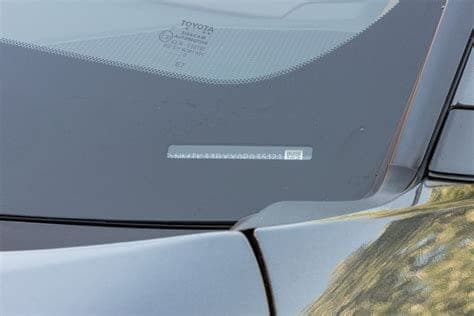
You've found a used car that looks right — price, mileage, color, everything. You copy the 17-digit VIN from the listing, paste it into Google, and immediately land on a dozen sites offering a "free VIN decoder" or a "complete vehicle history report." Some of them seem to do the same thing. Some charge money, some don't. And you're left wondering: is a VIN decoder the same as a history report, or am I looking at two completely different tools? The short answer is they're different animals solving different problems, and understanding the vin decoder vs vehicle history report distinction can save you from buying someone else's expensive mistake.
60-second answer
A VIN decoder translates the 17 characters in a VIN into factory specifications — make, model, engine, trim, and safety equipment. A vehicle history report tracks what happened to that specific car after it left the factory: accidents, title brands, odometer readings, service records, and ownership changes. One tells you what the car is; the other tells you what the car has been through.
What a VIN Decoder Actually Does
Every VIN is a structured code, not a random serial number. Characters 1 through 3 identify the manufacturer and country of origin (the World Manufacturer Identifier). Characters 4 through 8 describe the vehicle's attributes — body style, engine type, restraint system, transmission, and model line. Character 9 is a mathematical check digit the system uses to catch typos and counterfeits. Character 10 is the model year, 11 is the assembly plant, and characters 12 through 17 form the production sequence number. A free VIN decoder simply reads these positions and translates them into plain English.
NHTSA operates the most authoritative free VIN decoder in the United States. Their online tool, sometimes called the NHTSA decoder or the vPIC API, draws on data submitted directly by manufacturers. It's reliable, free, and surprisingly detailed — you can pull everything from the number of airbags to the exact displacement of the engine. If you just want to confirm that a 2019 Honda CR-V listed as an EX-L actually left the factory with leather seats and a turbocharged 1.5-liter four-cylinder, this tool handles that in seconds.
- Country of manufacture, make, and model
- Body style, trim level, and drivetrain
- Engine type, displacement, and fuel type
- Safety equipment (airbag count, ABS, ESC)
- GVWR class (useful for trucks and commercial vehicles)
- Model year and assembly plant
Notice what's missing from that list? Anything that happened after the car rolled off the assembly line. A VIN decoder can't tell you whether the vehicle was totaled in a flood, clocked back 60,000 miles, or spent three years on a rental-car lot in Miami. It's a birth certificate, not a biography.
What a Vehicle History Report Covers
A paid history report is where the real detective work happens. Services like Carfax and AutoCheck — along with our own reports at CarCheckerVIN — pull data from a web of sources: state DMV title records, the National Motor Vehicle Title Information System (NMVTIS), insurance claims databases, salvage auction records from Copart and IAA, manufacturer recall data from NHTSA, and service records from dealerships and independent shops that report to those networks. The result is a timeline of the car's life that can span years and multiple states.
- Title brands: salvage, rebuilt, flood, lemon buyback, junk
- Reported accidents and the severity of damage
- Odometer readings at each title event or service visit
- Ownership history and registration state changes
- Open recalls that haven't been remedied
- Theft records sourced from the NICB and law enforcement databases
- Lien status in states that report it
This is the tool that catches the stuff sellers conveniently forget to mention. That "clean title" car might have a salvage brand in another state that didn't transfer properly. That "one-owner" truck might show five odometer readings that don't add up. The "low-mileage" lie is the oldest one in the book, and a history report with consistent odometer snapshots is your best defense against it.
Free VIN Decoder vs Paid History Report: When to Use Each
Think of it like a funnel. When you're browsing listings and want a quick sanity check — does this VIN match the car described in the ad? — a free VIN decoder through the NHTSA tool or our own vin lookup page is the logical first step. It costs nothing and takes 30 seconds. If the decoder says the VIN belongs to a four-cylinder base model but the listing claims it's a V6 Limited, you've just saved yourself a pointless test drive. Or worse, you've identified a VIN swap, which is a red flag for theft.
But once you're seriously considering a purchase — once you're ready to schedule an inspection or make an offer — you need the paid history report. Spending fifteen to forty dollars on a comprehensive report before spending fifteen to forty thousand dollars on a vehicle is not exactly a tough cost-benefit calculation. Is it possible that a history report comes back clean and the car still has hidden problems? Sure. No database captures every fender bender or backyard repair. But a report that flags a salvage title, a rolled-back odometer, or an unresolved recall just paid for itself a thousand times over.
Common Misconceptions That Cost Buyers Money
The biggest misconception is that a free VIN decoder gives you everything you need. It doesn't. A decoder can't tell you that the car was rear-ended on I-95 or that it spent two weeks underwater during Hurricane Ian. The second misconception is that all history reports are identical. They aren't. Different providers have different data partnerships. Carfax, for instance, has strong service-record coverage from dealership networks. AutoCheck has a proprietary scoring model. Some providers have better access to auction data. If you're spending serious money, running a report from more than one source — or using a service that aggregates from multiple databases — gives you the fullest picture. You can compare what's available on our pricing page.
Watch out for "free history report" bait
Some sites advertise a free vehicle history report but deliver only decoded VIN specs, basic recall info, or a report so stripped down it's functionally useless. If a "report" doesn't mention title brands, accident records, or odometer history, you're looking at a dressed-up VIN decode, not a real history report. Read the fine print before you hand over your email address.
How the Two Tools Work Together
Smart buyers use both, in sequence. Start with a VIN decode to verify the ad matches the metal. Confirm the year, trim, engine, and equipment. Then run a full history report to check for hidden damage, title washing, odometer fraud, theft records, and outstanding recalls. Finally, take the decoded specs and the history report to your pre-purchase inspection mechanic so they know exactly what to look for. A mechanic who knows the car was in a front-end collision will spend extra time on the frame rails and suspension geometry. A mechanic who knows the car came from a flood state will pull carpet and check wiring harnesses. Information stacks, and each layer makes the next one more useful.
- Copy the VIN from the listing (never trust a photo — type it manually or use our vin-check tool to validate the check digit).
- Run a free VIN decode through NHTSA or a trusted decoder to confirm factory specs match the listing description.
- Order a full vehicle history report and review every section: title history, accident records, odometer timeline, recalls, and theft status.
- Cross-reference the report findings with the seller — ask direct questions about anything flagged.
- Schedule a pre-purchase inspection and share both the decoded specs and the history report with the mechanic.
Why "Clean VIN" Doesn't Mean What You Think
Private sellers and small dealers love the phrase "clean VIN." It sounds reassuring. But what does it actually mean? Usually it means the VIN decodes successfully and the car has a clean title in the current state. That's not nothing — but it's not everything either. Title washing, where a salvage-titled vehicle is re-registered in a state with lax title-brand transfer laws, can make a totaled car appear clean on a basic title check. A proper history report that pulls from NMVTIS and multi-state databases is designed to catch exactly this kind of laundering. So the next time a Craigslist ad says "clean VIN, no issues," treat that claim with the respect it deserves — which is to say, verify it yourself.
The Bottom Line on VIN Decoder vs Vehicle History Report
A VIN decoder answers the question "What is this car?" A vehicle history report answers the question "What has this car been through?" You need answers to both questions before you buy, and confusing one tool for the other is how people end up with flood-damaged sedans and rolled-back odometers. Use the free tools for initial screening. Spend the money on a full report before you spend the money on a car. And never let a seller's reassurance substitute for data you can read with your own eyes.
What to do next
Grab the VIN from any listing you're considering and run a free decode on our vin-check page to verify specs. If the car checks out, order a full vehicle history report before scheduling a test drive. It takes five minutes and can save you thousands.
CarCheckerVIN Editorial Team
In-house automotive research team
The CarCheckerVIN editorial team combines decades of automotive industry, dealer, and journalism experience to produce trustworthy buying, selling, and ownership guidance backed by NMVTIS, NICB, and manufacturer data.
Ready to check a VIN?
Run a free VIN check
Decode any vehicle in under 60 seconds.