How Many Owners by VIN: The Real Number Behind 'One-Owner Car'
"One-owner car" sounds great on a listing — but is it true? Here's how to check how many owners by VIN and what the number actually tells you about a used vehicle.
On this page
- Where Does the Owner Count Actually Come From?
- What 'One-Owner Car' Really Means (and Doesn't)
- Scenarios That Inflate or Hide the Real Owner Count
- How to Check Previous Owner VIN History Step by Step
- Why a High Owner Count Isn't Automatically a Red Flag
- What the Owner Count Can't Tell You
- Asking the Right Questions After You Pull the Report
You're scrolling through listings and spot a gem: low miles, clean photos, and the magic phrase — "one-owner car." It sounds like a guarantee of careful stewardship, a vehicle that spent its life in a climate-controlled garage being hand-washed every Sunday. Maybe it did. Or maybe the seller just knows that "one-owner" is one of the most persuasive phrases in the used-car vocabulary and nobody will bother to verify it. That's where checking how many owners by VIN comes in, and it's simpler than most buyers realize.
60-second answer
You can find how many owners a vehicle has had by running the 17-digit VIN through a vehicle history report. Services pull title transfer records from state DMVs and the NMVTIS federal database, showing each registered owner change. Head to our /vin-check page to run a quick lookup and get the real ownership count before you commit.
Where Does the Owner Count Actually Come From?
Every time a vehicle is titled to a new individual or entity, the state DMV records that transfer. Those records feed into the National Motor Vehicle Title Information System, better known as NMVTIS, a federal database managed by the Department of Justice. When a VIN history provider — Carfax, AutoCheck, or a service like the one we offer on our /vin-check page — builds a report, it pulls from NMVTIS data, state title records, and sometimes insurance and auction databases. The owner count you see is based on the number of distinct title registrations, not necessarily the number of people who drove the car. That distinction matters, and we'll get to why.
What 'One-Owner Car' Really Means (and Doesn't)
A "one-owner" designation means the VIN has been titled to a single registrant since it left the dealership. That's it. It doesn't mean the car was only driven by one person. It doesn't confirm maintenance was performed on schedule. And it certainly doesn't tell you whether that one owner treated the vehicle like a rental car on spring break. A one owner car check is a useful filter, but it's not a substitute for a pre-purchase inspection.
Here's another wrinkle: lease returns. A car that was leased for three years and then purchased by the lessee at lease-end may show as two owners — the leasing company and the individual — even though only one human ever sat behind the wheel. Conversely, a car used by a fleet company that rotated it among dozens of drivers might technically show as one owner because only one entity held the title. The number is a data point, not a character reference.
Scenarios That Inflate or Hide the Real Owner Count
- Lease-to-purchase: The leasing bank and then the buyer are two separate title holders, so reports show two owners for what was functionally one.
- Dealer trades: If the car sat on multiple dealer lots before its first retail sale, some reports count the dealership as an owner. Others filter dealer-only registrations out.
- Intra-family transfers: A parent titles a car in their name, then transfers it to a child a year later. That's two owners in the database, one household in reality.
- Salvage and rebuild cycle: A totaled vehicle can pass through an insurance company, a salvage auction like Copart or IAA, and a rebuilder — each potentially registering a new title — before reaching a retail buyer. The owner count balloons, and every one of those transfers matters.
- Out-of-state moves: Re-titling in a new state sometimes adds what looks like a new ownership event, though most modern reports handle this correctly.
How to Check Previous Owner VIN History Step by Step
You don't need a private investigator or a friend at the DMV. The process takes about five minutes — less time than it takes to read the average Craigslist seller's life story about why they're parting with the car.
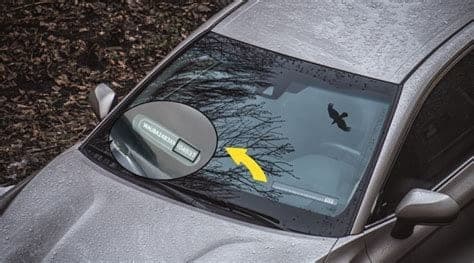
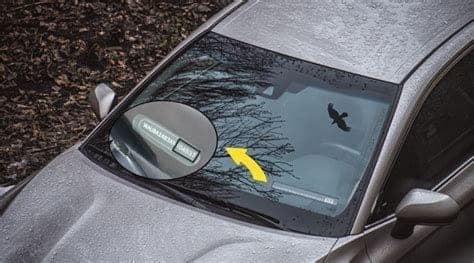
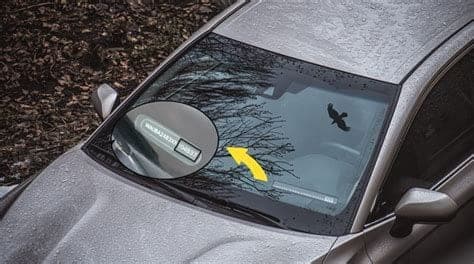
- Locate the VIN. It's on the lower-left dashboard (visible through the windshield), the driver's door jamb sticker, and the vehicle's title or registration. If a seller won't share the VIN before you show up, that tells you something.
- Run the VIN through a reputable history service. Our /vin-check tool queries NMVTIS and supplemental databases to surface the ownership timeline, title brands, accident history, and more.
- Read the ownership timeline carefully. Look at the dates of each transfer. Short ownership periods — under a year — can indicate the car had a problem the owner couldn't live with, or it can just mean someone got a job transfer. Context matters.
- Cross-reference with the seller's story. If the listing says 'one-owner' but the report shows three title events, ask questions. There may be a reasonable explanation, but you deserve a truthful one.
- Check for title brands alongside ownership changes. A jump from owner two to owner three that coincides with a salvage or flood brand is far more telling than the owner count alone.
Why a High Owner Count Isn't Automatically a Red Flag
Five owners in fifteen years? That's roughly one owner every three years, which tracks pretty closely with the average length of vehicle ownership in the U.S. — about 8.4 years for new vehicles and shorter for used, according to data from IHS Markit (now S&P Global Mobility). A high count becomes concerning when those ownership stints are extremely short or when they cluster around a title brand event. Two owners in a decade is great. Four owners in eighteen months is a question mark you should investigate.
Watch for title washing
Some sellers move a branded-title vehicle across state lines specifically to wash the brand off the title, making it look clean. This can reset how ownership appears in certain databases. NMVTIS was designed to catch this, but gaps remain. Always check the VIN ownership history through a service that queries the federal database, not just a single state's records. If the previous owner VIN trail shows an unexplained gap or state-hopping pattern, dig deeper before buying.
What the Owner Count Can't Tell You
A VIN ownership history report is powerful, but it has blind spots. It won't reveal whether the owner changed their own oil or never changed it at all. It won't show you the curbed wheels or the coffee stain on the back seat. And it won't tell you that owner number three let their teenager learn to drive a manual in a parking lot for six months. For that level of insight, you need a mechanical inspection from an independent shop, a thorough test drive, and — ideally — maintenance receipts. The ownership count gets you started; it doesn't get you to the finish line alone.
Asking the Right Questions After You Pull the Report
Once you know how many owners by VIN, use that information as a conversation starter with the seller. If the report shows two owners but the seller claims to be the original, ask to see the original purchase paperwork. If a title transferred through a dealer auction like Manheim between owners, ask why — sometimes it's routine wholesale, sometimes it's a dealer offloading a trade-in they didn't want to retail because of an underlying issue. The data gives you leverage. Use it to ask pointed, specific questions instead of the generic 'has it ever been in an accident?' that every buyer mumbles on the lot.
Think of the VIN report as your cheat sheet. It won't take the test for you, but it tells you exactly which questions are on it. Combine the ownership timeline with the accident history, odometer readings, and title brand data on the same report, and you have a remarkably complete picture before you ever turn the key. For details on what our reports include and current pricing, visit our /pricing page.
What to do next
Before you believe any 'one-owner' claim, run the VIN. Head to our /vin-check page, enter the 17-digit number, and review the full ownership timeline, title brands, and accident history. It takes less time than reading the listing — and it's the single best move you can make before spending a dollar on a used car.
CarCheckerVIN Editorial Team
In-house automotive research team
The CarCheckerVIN editorial team combines decades of automotive industry, dealer, and journalism experience to produce trustworthy buying, selling, and ownership guidance backed by NMVTIS, NICB, and manufacturer data.
Ready to check a VIN?
Run a free VIN check
Decode any vehicle in under 60 seconds.