Why Does My VIN Show No Records? (And When to Worry)
An empty VIN report doesn't always mean fraud. Here's how to tell the harmless explanations from the genuinely concerning ones, in five minutes.
Check the car you're reading about
Free VIN decode and recall check
Factory specs and open NHTSA recalls in seconds. No sign-up.
On this page· 8
- Reason 1: The vehicle is genuinely new
- Reason 2: The car has only been registered in one state, recently
- Reason 3: The VIN you entered is malformed
- Reason 4: The vehicle is a manufacturer recall buyback or pre-production
- Reason 5 (the worrying one): The VIN doesn't correspond to a real vehicle
- What to do when you get a blank report
- When a clean blank report is actually good
- When a blank report is a deal-breaker
You paid for a vehicle history report, you entered the VIN, and the result came back blank — no title records, no accident reports, no service entries. The natural first reaction is to panic. The actual answer is more interesting: a blank VIN report is sometimes the most reassuring result you could get, and sometimes the most alarming. The trick is knowing which one you're looking at.
Here's the playbook for interpreting a blank or near-blank VIN history report in 2026.
60-second answer
If the car is brand new (under one year old), no records is normal — there's nothing to report yet. If the car is 3+ years old and you got no records, it's either a database mismatch (try a different report provider) or a fabricated/counterfeit VIN (walk away).
Reason 1: The vehicle is genuinely new
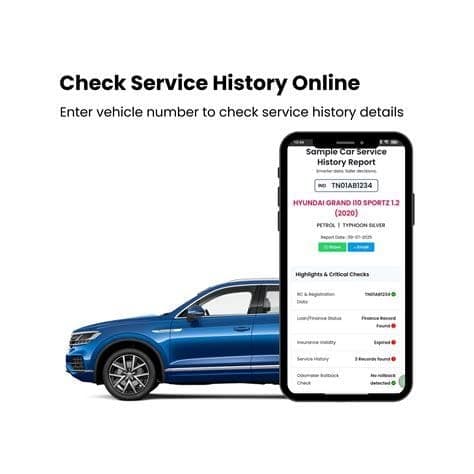
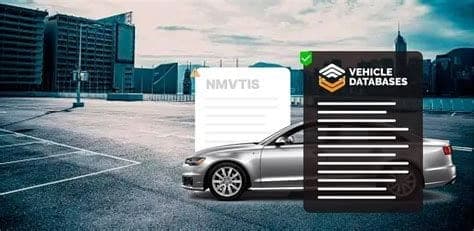
A vehicle that was manufactured within the last 12 months and hasn't been registered, inspected, sold, or had any insurance claim filed against it will have no entries in NMVTIS, the federal database that powers most history reports. NMVTIS is fed by state DMVs (which report when a title is issued), insurance carriers (when claims are filed), and junk/salvage yards (when a car is processed). If none of those events have happened, there's nothing to retrieve.
This is the expected and reassuring case. A 2026 model year car with delivery mileage and a clean MCO (Manufacturer's Certificate of Origin) won't appear in NMVTIS until its first title is issued.
Reason 2: The car has only been registered in one state, recently
NMVTIS data flows to the federal repository on different schedules from different states. Some states submit in near-real-time; others batch updates every 24–72 hours. A car that was titled in California last week may not appear in a NMVTIS query you run today. Wait 7–10 days and re-run the report; if it appears, the system was simply catching up.
Reason 3: The VIN you entered is malformed
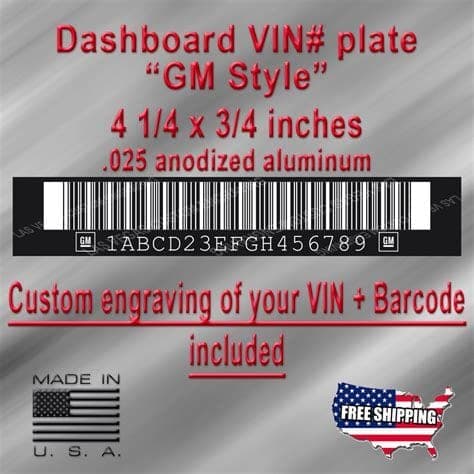
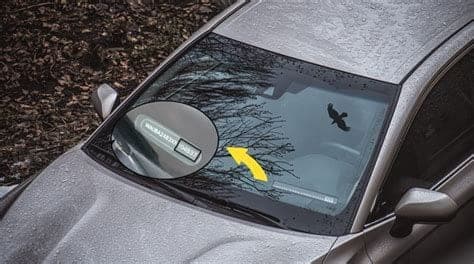
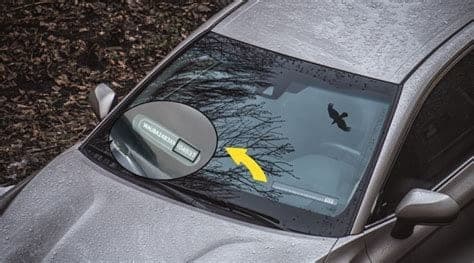
VINs are 17 characters and contain no letters I, O, or Q (to prevent confusion with the digits 1 and 0). A common cause of a 'no records' result is a single character mis-typed at lookup time. Re-check the VIN against the physical car: it should be visible on the dashboard near the windshield base, on the driver's-side door jamb sticker, and on the title document. If any of those three don't match what you entered, run the report again with the correct VIN.
Reason 4: The vehicle is a manufacturer recall buyback or pre-production
Cars that were bought back by the manufacturer under lemon law or recall buyback programs sometimes have NMVTIS records suppressed pending re-titling. Pre-production engineering vehicles, press-fleet cars, and some fleet vehicles also have non-standard NMVTIS profiles. These are uncommon in private-party sales but do exist.
Reason 5 (the worrying one): The VIN doesn't correspond to a real vehicle
If the car is 3+ years old, has been driven, and yet has zero records in any database — that's a strong signal something is wrong. The most common explanation is a counterfeit or cloned VIN: the physical VIN plate on the car was altered or replaced. The original VIN belonged to a real car that's been crushed, scrapped, or shipped overseas; the new VIN was fabricated or copied from a different car.
The cloned-VIN scenario
An organized auto-theft ring takes a stolen vehicle, then finds a similar car on a public sale listing. They duplicate the legitimate car's VIN onto the stolen one. When you look up the cloned VIN, you may get a clean history (because the real car's history is clean) — but when you compare the VIN locations on the car you're inspecting, they don't all match. Always verify the VIN appears identical on the dashboard, the door jamb, the engine block, and the title document.
What to do when you get a blank report
Step 1: Verify the VIN itself
Physically read the VIN from the dashboard (visible through the windshield), the driver's door jamb sticker, the engine block stamping, and the title document. They must all match each other character-for-character. If they don't, the car is misrepresented — walk away.
Step 2: Cross-check with a second source
Run the VIN through a second VIN history report provider (different providers query slightly different data partners) and through the free NHTSA VIN decoder. A real VIN will decode into a real make, model, year, and country of manufacture. If the NHTSA decoder rejects the VIN or returns mismatched specs, the VIN is fabricated.
Step 3: Look at the title
A real car has a title trail. Even brand-new cars have an MCO (Manufacturer's Certificate of Origin) before they get a state-issued title. Ask the seller for the title and look at the issue date. A title issued years ago for a car with no NMVTIS history is suspicious.
Step 4: Compare physical features to the VIN's decoded specs
The first three characters of a VIN identify the world manufacturer (e.g. '1HG' = Honda made in USA, 'WBA' = BMW made in Germany). Positions 4–8 encode model and body style; position 10 is the model year. If the VIN decodes to 'Honda Civic 2018 sedan' but the car you're looking at is a Honda Accord coupe, the VIN doesn't belong to this car.
When a clean blank report is actually good
- The car is a current or prior model year with delivery-mileage odometer (you're buying a new or near-new car from a dealer).
- The previous owner has the original window sticker, MCO documentation, and dealer purchase paperwork to back up the story.
- The VIN matches in every physical location and decodes cleanly through NHTSA.
- The seller's name on the title matches the registration and their government ID.
When a blank report is a deal-breaker
- The car is 3+ years old and clearly has wear consistent with normal use.
- The seller can't produce a title, or the title was issued recently from a state where the car has never been registered.
- The VIN doesn't match across all physical locations on the car.
- The NHTSA VIN decoder either rejects the VIN or returns specs that don't match the car you're looking at.
- The seller becomes evasive when you mention you'd like an independent inspection or a second report.
What to do next
If you got a blank report on a recent-model car, that's expected. If you got a blank report on an older car, verify the VIN physically and through a second provider before paying anything. A blank report on a 2018 Honda is far more concerning than a blank report on a 2026 Toyota.
About the author
CarCheckerVIN Editorial Team
In-house automotive research team
The CarCheckerVIN editorial team combines decades of automotive industry, dealer, and journalism experience to produce trustworthy buying, selling, and ownership guidance backed by NMVTIS, NICB, and manufacturer data.
Keep reading
How Many Owners by VIN: The Real Number Behind 'One-Owner Car'
"One-owner car" sounds great on a listing — but is it true? Here's how to check how many owners by VIN and what the number actually tells you about a used vehicle.
Aug 1, 2026 · 5 min read

JDM Import VIN Decoding: Navigating the 25-Year Rule and Japanese Chassis Numbers
Japanese-market vehicles use chassis numbers that don't follow US VIN standards. Here's how to decode them, verify legal import status, and avoid titling nightmares.
Jul 25, 2026 · 7 min read
The Monroney Label: How to Read a New Car Window Sticker by VIN
The Monroney label is federally mandated on every new car sold in America. Here's how to read one, retrieve it by VIN, and spot the details most buyers miss.
Jul 20, 2026 · 6 min read