Best Used SUV to Purchase: The Buyer's Guide That Actually Helps You Decide
Not all used SUVs are equal — some reward buyers with 200,000 reliable miles, others drain wallets within months. Here's how to find the right one for your budget and risk tolerance.
On this page
- Why the Used SUV Market Rewards Careful Buyers Right Now
- The Best Used SUVs to Purchase by Segment
- Midsize SUVs Worth Your Attention — and Your Money
- Three-Row SUVs: Where the Value Gets Complicated
- Cost vs. Risk: The Decision Framework You Actually Need
- What Title Brands and Auction History Tell You
- The Pre-Purchase Inspection: Non-Negotiable Step
- Dealer vs. Private Party vs. Auction: Knowing Your Channel
- How to Structure Your Offer and Protect Yourself at Signing
- The Best Used SUV to Purchase: Final Rankings by Priority
You've budgeted, narrowed down your list, and now you're staring at a Craigslist ad or a dealer lot wondering whether you're about to make the smartest purchase of the year or the most expensive mistake of your life. Finding the best used SUV to purchase isn't just about which nameplate Consumer Reports loves — it's about matching reliability data, title history, and your actual budget so the deal makes sense before you hand over a check. The difference between a great buy and a money pit often comes down to three things: the model's track record, what that specific truck has been through, and how honestly the seller is representing both.
The short answer
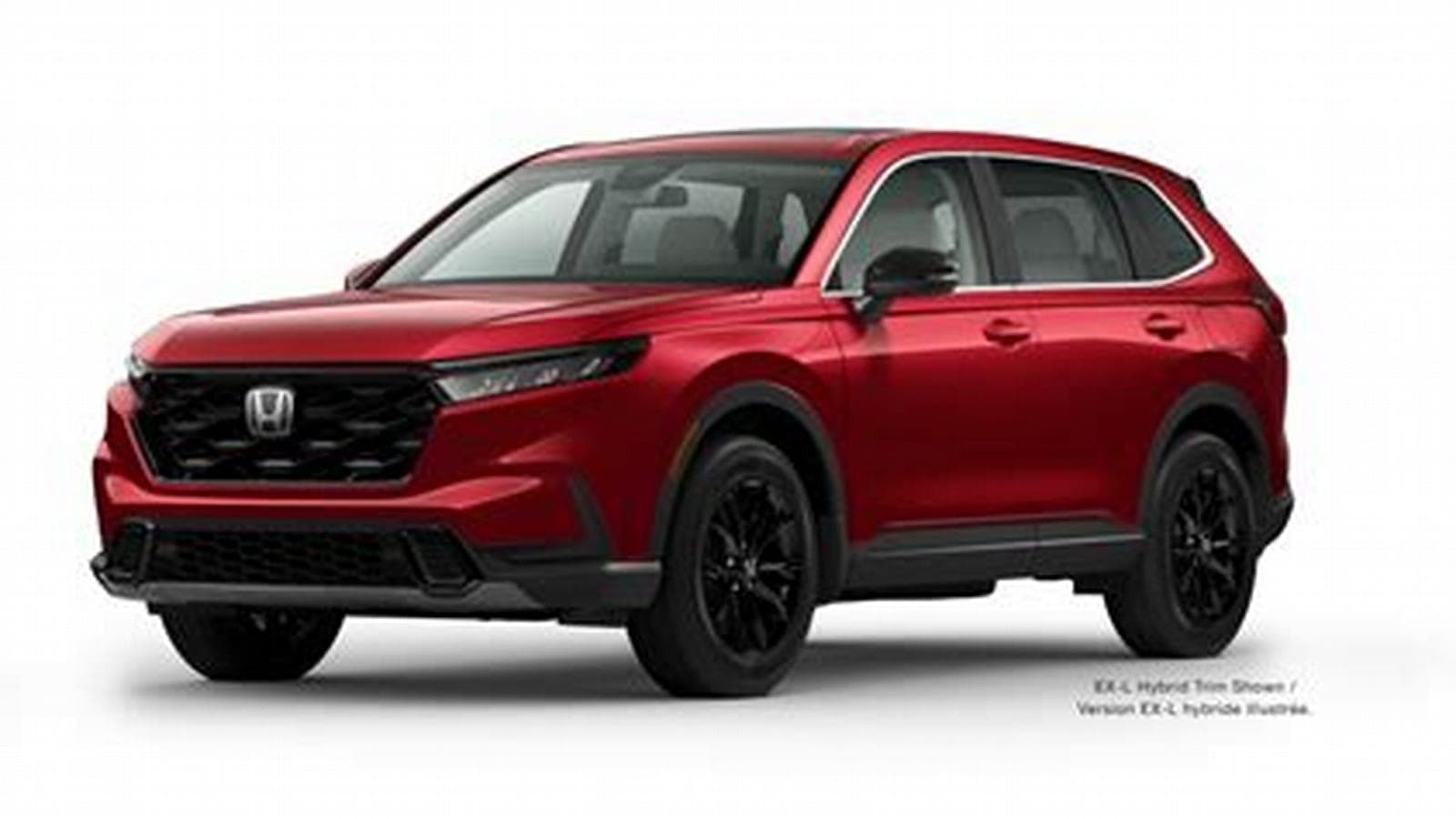
For most buyers, a certified pre-owned Toyota RAV4, Honda CR-V, or Mazda CX-5 from the last six model years offers the best balance of reliability, resale stability, and available warranty coverage — pull a full vehicle history report and a pre-purchase inspection before committing to any of them.
Why the Used SUV Market Rewards Careful Buyers Right Now
Used-vehicle wholesale prices have softened considerably since their pandemic-era peak. According to the Manheim Used Vehicle Value Index, wholesale prices through mid-decade declined more than 20 percent from their early-2022 highs, giving buyers more negotiating room than they've had in years. That's real money — on a $28,000 SUV, even a 7 percent concession saves you nearly $2,000.
But softer prices also mean more distressed inventory is hitting the market. Auction lanes at Copart and IAA are running record volumes of flood-damaged and total-loss vehicles, some of which are rebuilt, retitled, and listed on mainstream platforms. The National Motor Vehicle Title Information System (NMVTIS) — a federal database operated under 49 U.S.C. § 30502 — requires junk and salvage yards, insurers, and state DMVs to report title brands. A proper VIN check surfaces those brands before you buy. Don't skip it.
The opportunity is real, but so is the risk. Buyers who do the homework — title search, inspection, market comparison — routinely outperform those who trust gut feeling alone.
The Best Used SUVs to Purchase by Segment
Different needs call for different rigs. A two-row compact for a city commuter is a completely different purchase decision than a three-row family hauler or a truck-based body-on-frame for towing. Here's where the data actually points buyers.
Compact SUVs: The Sweet Spot for Most Buyers
The Toyota RAV4 and Honda CR-V have traded the top reliability spots in the compact segment for years, and for good reason. J.D. Power's 2024 U.S. Vehicle Dependability Study ranked the Toyota RAV4 among the top three vehicles in the compact SUV segment for fewest reported problems per 100 vehicles over three years of ownership. The Mazda CX-5 consistently earns top marks from Consumer Reports, which gave it a reliability score of 4 out of 5 based on subscriber survey data covering hundreds of thousands of vehicles. For buyers on a tighter budget, a used Subaru Forester with under 80,000 miles represents strong value — particularly the 2019–2022 model years before Subaru's infotainment redesigns introduced early software complaints.
Midsize SUVs Worth Your Attention — and Your Money
The midsize segment is where buyers often overpay for brand perception rather than actual durability. The Toyota Highlander and Honda Pilot lead on long-term reliability, while the Kia Telluride — which won multiple Car and Driver 10Best awards in consecutive years — offers nearly equivalent dependability at meaningfully lower used prices than its badge-premium competitors.
Avoid early-cycle model years of any redesigned midsize SUV. First-model-year vehicles frequently carry unresolved software, transmission, or suspension bugs that later model years fix quietly through technical service bulletins. Buying a second or third year of a generation — say, a 2020 or 2021 Telluride rather than the 2020 launch car — often means those bugs were already patched.
Certified pre-owned (CPO) programs from Toyota and Honda extend factory-backed coverage that independent warranties rarely match. Toyota's CPO program, for example, adds a 12-month/12,000-mile comprehensive warranty on top of any remaining powertrain coverage — details you can verify directly with the selling dealer and on Toyota's official CPO program page.
Three-Row SUVs: Where the Value Gets Complicated
Three-row family haulers carry higher transaction prices and higher repair exposure. The Toyota Sequoia (especially the pre-2022 V8 versions) and Chevrolet Traverse are two of the more defensible buys in this category. The Traverse, per RepairPal's reliability ratings, scores a 4.0 out of 5.0 for the midsize SUV category, with average annual repair costs around $597 — below the segment average.
Steer clear of early Ford Explorer Platinum trims with the 3.5L EcoBoost — that engine's carbon buildup and timing chain stretch issues have generated a significant number of NHTSA complaints and multiple class-action settlements. The National Highway Traffic Safety Administration's complaint database, accessible at NHTSA.gov, lets you filter by model year and component — use it before you fall in love with a specific listing.
Cost vs. Risk: The Decision Framework You Actually Need
This is where most buyers talk themselves into a bad deal. Here's the honest trade-off: a salvage-title RAV4 might be listed at $9,000 when a clean-title equivalent costs $17,500 — that $8,500 gap feels compelling. But NMVTIS-reported salvage or rebuilt brands permanently suppress resale value and frequently disqualify a vehicle from standard financing. Many lenders won't write a loan on a rebuilt title at all, and those that do charge rates 3–5 percentage points higher, according to industry data compiled by Bankrate. On a $12,000 loan, that rate difference costs you roughly $1,800 over a 48-month term.
The repair math matters too. According to AAA's 2023 Your Driving Costs study, annual vehicle maintenance and repair for a midsize SUV averaged $1,049. A vehicle with deferred maintenance — visible on a vehicle history report's service records — can front-load two or three years of that cost into your first 12 months. Always request maintenance records. If the seller can't produce them, price that risk explicitly.
The cleaner decision: a CPO or well-documented private-party vehicle at a higher sticker price nearly always beats a cheaper vehicle with title concerns or missing service history — unless you have a trusted independent mechanic, cash reserves, and zero plans to resell within five years.
What Title Brands and Auction History Tell You
The FTC's Used Car Rule — 16 C.F.R. Part 455 — requires dealers to display a Buyers Guide disclosing whether a vehicle is sold as-is or with a warranty. That form doesn't tell you about title brands, which is a separate and critical data point. NMVTIS brands include salvage, junk, rebuilt, flood, fire, odometer rollback, and lemon law buyback designations. Each brand carries different implications.
Lemon law buybacks are worth understanding separately. A manufacturer buyback under your state's lemon law — most states require the defect to persist through 3–4 repair attempts or 30 days out of service within a defined period — must be disclosed by the manufacturer and is branded accordingly in NMVTIS. These vehicles often surface at dealer auctions. A lemon buyback on a powertrain issue is a hard pass. One on a minor trim defect that's been properly repaired warrants closer scrutiny but isn't automatically disqualifying.
The Pre-Purchase Inspection: Non-Negotiable Step
No vehicle history report replaces eyes-on mechanical evaluation. A pre-purchase inspection (PPI) from an independent mechanic — not the selling dealer's service bay — typically costs $100–$200 and is the single highest-return expenditure in a used-car transaction. It surfaces frame damage, fluid leaks, worn suspension components, and deferred timing chain service that sellers either don't know about or aren't volunteering.
For private-party sales, ask the seller to meet you at your chosen shop. A seller who refuses a PPI is telling you something important. For dealer sales, reputable franchised dealers will generally accommodate a third-party inspection — independent used lots and buy-here-pay-here (BHPH) operations are more variable, and resistance there should raise your guard immediately.
What the Inspector Should Specifically Check on Popular Models
- Toyota RAV4 (2019–2023): Water intrusion behind rear cargo area, infotainment software version, and AWD coupler engagement under load.
- Honda CR-V (2017–2022): Oil dilution in the 1.5T engine — dip the oil and smell for fuel contamination, especially on vehicles in cold-climate states.
- Mazda CX-5 (2017–2023): Turbo models — check for carbon buildup and verify the timing chain tensioner TSB has been addressed.
- Ford Explorer (2020–2023): Exhaust fume intrusion into the cabin — Ford issued a recall (NHTSA Campaign 20V-071) covering roughly 23,000 units, verify completion via VIN check.
- Kia Telluride (2020–2023): Inspect undercarriage for any signs of flood damage; insurance total-loss Tellurides moved through auction lanes in high volume after major storm events.
Dealer vs. Private Party vs. Auction: Knowing Your Channel
Each purchase channel has a different risk-reward profile. Franchised dealers offer CPO eligibility, FTC Buyers Guide protections, and financing on the lot — but their asking prices average 10–15 percent above equivalent private-party listings for comparable mileage and condition, based on pricing spread data regularly tracked by iSeeCars.com analysis of millions of listings.
Private-party sales offer better prices but zero implied warranty in most states and no recourse if the seller misrepresents the vehicle beyond basic fraud law. Independent used-car lots and BHPH operations sit somewhere in between — they must still comply with the FTC Used Car Rule on the Buyers Guide — but financing terms at BHPH lots frequently carry APRs above 20 percent, according to the Consumer Financial Protection Bureau's auto lending research, which can rapidly erase any sticker-price savings.
Buying a vehicle that went through Copart or IAA auction can yield significant savings, but those sales are almost universally as-is, title-branded, and require either a dealer license or a broker in most states. It's a channel for experienced buyers with established repair relationships — not first-time used-SUV shoppers.
How to Structure Your Offer and Protect Yourself at Signing
Once your PPI comes back clean and your vehicle history report shows a clear title, you're negotiating from a position of information. Price your offer against Kelley Blue Book, Edmunds True Market Value, and NADA Guides simultaneously — the spread between them often reveals which way the market is moving for that specific model. On a $22,000 listing, a documented mechanical concern from your PPI is worth requesting a $500–$1,500 price concession or insisting the dealer repair it pre-sale.
- Run a full vehicle history report and cross-reference the VIN against the NHTSA recall database at NHTSA.gov before scheduling a test drive.
- Commission an independent pre-purchase inspection — budget $150 and treat it as part of the vehicle's price.
- Verify the title in person: the name on the title must match the seller's ID, and the odometer disclosure must match the odometer reading.
- Get the Buyers Guide from any dealer and read the warranty box carefully — 'as-is' means no coverage the moment you drive off the lot.
- Negotiate with three price references (KBB, Edmunds, NADA) and cite any PPI findings as concrete leverage.
- If financing through a dealer, compare their APR against your own bank or credit union before accepting any payment quote — you can almost always do better.
Watch for Title Washing
Title washing occurs when a salvage-branded vehicle is re-registered across state lines to obscure its history, exploiting gaps in how states communicate with NMVTIS. Not all state DMVs update NMVTIS with equal speed. A vehicle history report from a provider that queries NMVTIS directly is your best defense — but combine it with a physical VIN check at the state DMV if anything about the title looks inconsistent with the vehicle's age or mileage.
The Best Used SUV to Purchase: Final Rankings by Priority
If you're optimizing for lowest total cost of ownership over five years, the Toyota RAV4 Hybrid and standard RAV4 are the clearest choices the data supports — exceptional fuel economy, top-tier predicted reliability from Consumer Reports, and strong resale value that limits depreciation exposure if you need to sell. The Honda CR-V is a close second, particularly for buyers who prioritize cargo versatility and interior refinement.
For buyers who need three rows and won't compromise on reliability, the Toyota Highlander (non-turbo, 3.5L V6 versions) is the defensible choice — the Kia Telluride is a legitimate alternative with lower sticker prices and near-equivalent reliability, though its limited used-market history means less long-term data than the Highlander's multi-decade track record.
Budget buyers working in the $12,000–$16,000 range will find the best risk-adjusted value in a 2018–2020 Honda CR-V or a 2017–2019 Toyota RAV4 with documented maintenance history and a clean NMVTIS title. At that price point, spending $150 on an independent inspection is even more important — the margin for error narrows as the price drops. Whatever you choose, the VIN check is step one, not an afterthought.
What to do next
Pull a full vehicle history report on every SUV you're seriously considering — before you test drive, before you negotiate, and certainly before you sign. It's the fastest way to eliminate title-branded vehicles and validate the mileage and ownership history the seller is describing.
CarCheckerVIN Editorial Team
In-house automotive research team
The CarCheckerVIN editorial team combines decades of automotive industry, dealer, and journalism experience to produce trustworthy buying, selling, and ownership guidance backed by NMVTIS, NICB, and manufacturer data.
Frequently asked questions
- Which is the best SUV to buy second hand?
- The Toyota RAV4 and Honda CR-V are the most consistently defensible choices for most buyers — both carry strong reliability records across multiple model years, widely available parts, and resale values that protect your investment. For three-row needs, the Toyota Highlander (V6, non-turbo) earns the same recommendation. Always pair your selection with a clean NMVTIS title history and an independent pre-purchase inspection before committing.
- What's the most reliable SUV to buy used?
- Based on Consumer Reports subscriber survey data and J.D. Power Vehicle Dependability Study results, the Toyota RAV4, Mazda CX-5, and Honda CR-V rank at the top for predicted reliability among compact SUVs. The Lexus RX — a Toyota platform — leads among luxury midsize options. Reliability is model-year specific, so verify rankings for the exact year you're buying rather than relying on brand reputation alone.
- What are the 5 worst SUVs to avoid?
- Based on NHTSA complaint volumes and Consumer Reports below-average reliability ratings: early Ford Explorer EcoBoost V6 models with timing chain issues, first-generation Jeep Cherokee (KL) with 9-speed transmission problems, Cadillac Escalade ESV for high ownership costs, Infiniti QX60 for CVT reliability concerns, and the Nissan Rogue (2014–2016) — also CVT-related. Always cross-check the specific model year against the NHTSA database at NHTSA.gov before ruling a vehicle in or out.
- What is the best SUV with the least problems?
- The Mazda CX-5 earns the narrowest gap between predicted and actual reliability in Consumer Reports' data — owners report very few unplanned repairs across multiple model years. Toyota RAV4 Hybrid versions also report notably fewer powertrain concerns than their turbocharged competitors. For a three-row option, the Toyota Sienna minivan — if you can accept the form factor — statistically outperforms most three-row SUVs on total problem reports per 100 vehicles.
Ready to check a VIN?
Run a free VIN check
Decode any vehicle in under 60 seconds.