Best Place To Buy Used Trucks: A Buyer's Field Guide to Every Channel
Franchise dealers, private sellers, online marketplaces, and salvage auctions all sell used trucks. Here's how to pick the channel that fits your budget, risk tolerance, and mechanical know-how.
On this page
- Why Your Channel Choice Changes Everything
- Franchise Dealerships: Highest Price, Most Armor
- Independent Dealers and BHPH Lots: Proceed with Your Eyes Open
- Private-Party Sales: Best Price, Fewest Guardrails
- Online Marketplaces: CarGurus, AutoTrader, Cars.com
- Salvage Auctions (Copart, IAA): Lowest Price, Highest Skill Floor
- Best Place to Buy Used Trucks: Cost vs. Risk Comparison
- Best Used Pickup Trucks to Buy by Budget
- How to Inspect Before You Buy
- Financing and Title Transfer: Don't Skip the Paper Trail
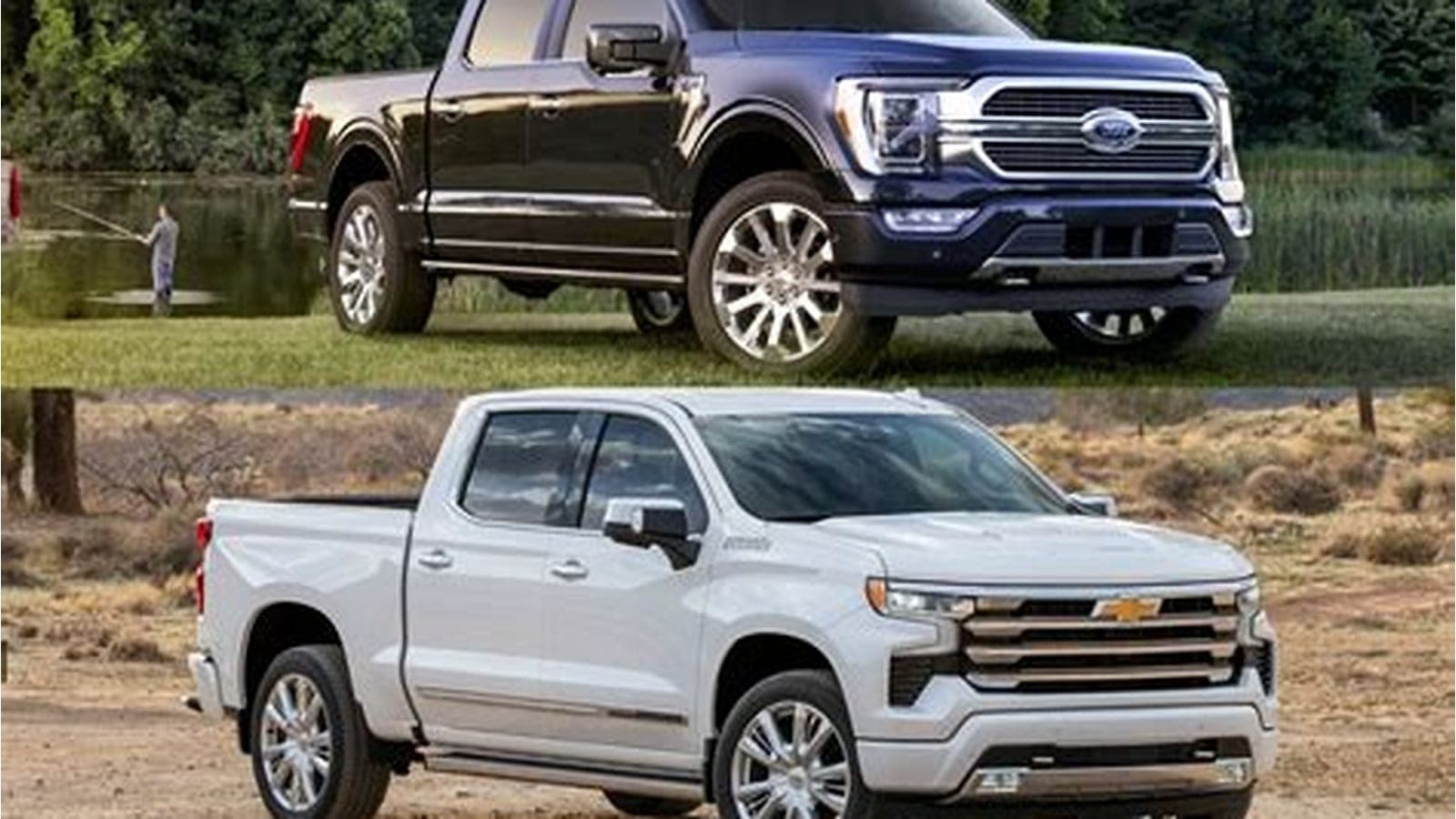
Deciding on the best place to buy used trucks isn't just about finding a low price — it's about matching the channel to your budget, your mechanical confidence, and the legal protections you need. A first-time buyer walking onto a BHPH lot faces completely different risks than a mechanic who knows how to bid at Copart. This guide maps every channel, names the trade-offs, and tells you when to walk away.
The short answer
For most buyers, a certified pre-owned truck from a franchise dealer or a private-party listing on a major marketplace gives the best balance of price and protection — but only after you've pulled a vehicle history report and had an independent inspection done.
Why Your Channel Choice Changes Everything
The used-truck market is not one market. It's a chain of channels, and the price drops — along with the protections — at every step. According to the National Automobile Dealers Association (NADA), the average used-vehicle retail transaction at a dealership exceeded $28,000 in its most recent market report. Drop down to private-party sales and you can trim thousands off that figure, but you also shed the FTC Buyers Guide disclosure, the implied warranty of merchantability in most states, and any dealer accountability. Understanding the chain is step one.
Trucks hold value differently from cars. The Bureau of Transportation Statistics notes that light-duty trucks and SUVs account for more than 75 percent of all new-vehicle sales in the United States, which means used-truck supply is enormous — and so is demand. That volume gives you real choices, but it also means scammers and flood-damaged units enter the market constantly. A clean VIN check before any purchase is non-negotiable.
Franchise Dealerships: Highest Price, Most Armor
Franchise dealers (Ford, Chevy, Ram, Toyota stores) sit at the top of the price stack. Their certified pre-owned (CPO) programs require trucks to pass multi-point inspections, clear title brands, and meet mileage caps — Ford's CPO program, for example, limits eligibility to trucks with fewer than 80,000 miles. In exchange, you get a factory-backed limited warranty, roadside assistance, and in many cases a 3-day or 500-mile exchange window.
The FTC Used Car Rule (16 CFR Part 455) requires every dealer to display a Buyers Guide on the windshield disclosing whether the truck is sold as-is or with a warranty. That piece of paper is your legal baseline. If a dealer removes it before you sign, that's a red flag and a federal violation. CPO trucks carry a warranty disclosure; as-is trucks do not — and "as-is" is exactly what it sounds like.
When to Use a Franchise Dealer
Use a franchise dealer when you want the least post-purchase drama, you're financing through the manufacturer's captive lender, or you're buying a truck you plan to keep past 150,000 miles and want service records from a single source. Expect to pay a 10–15 percent premium over private-party pricing for that security, according to analysis published by iSeeCars.
Independent Dealers and BHPH Lots: Proceed with Your Eyes Open
Independent dealers and Buy Here Pay Here (BHPH) lots fill the gap between franchise dealers and private sellers. They're the right channel if your credit makes bank financing hard, but they carry real risks. The Consumer Financial Protection Bureau (CFPB) has documented that BHPH interest rates frequently exceed 20 percent APR — compared to a national average new-car loan rate that's closer to 7–8 percent — which can erase any sticker-price savings on a truck within 18 months.
Independent dealers still must display the Buyers Guide under the FTC Used Car Rule, but they are not required to run CPO inspections. Many independents buy trucks at auction (Manheim, ADESA), mark them up, and resell with minimal reconditioning. That's not automatically bad — some run tight ships — but it means a vehicle history report and a pre-purchase inspection by your own mechanic become essential, not optional.
BHPH Starter-Interrupt Devices
Many BHPH dealers install GPS-linked starter-interrupt devices that can disable your truck remotely if a payment is late. The CFPB has flagged this practice. Ask the dealer directly before you sign; if one is installed and not disclosed, that is a material fact that affects your purchase decision and may violate your state's consumer protection statutes.
Private-Party Sales: Best Price, Fewest Guardrails
Private sellers list on Facebook Marketplace, Craigslist, and OfferUp. This is where you find the best used trucks to buy under $15,000 — sometimes well under. iSeeCars data consistently shows private-party truck prices running 10–20 percent below dealer retail for the same make, model, year, and mileage. On a $20,000 truck, that's $2,000–$4,000 back in your pocket.
The catch: you get zero statutory protections beyond basic fraud law. There's no Buyers Guide, no implied warranty in most states (many states explicitly exclude private sales from implied-warranty coverage), and no recourse if the truck has an undisclosed lien. Before handing over cash, run a VIN check, verify the title is free and clear, and confirm the seller's name matches the title. Meet at your DMV's public office if the state allows same-day title transfers.
Red Flags in Private Listings
- Seller insists on wire transfer or cryptocurrency only — a classic fraud vector documented by the FTC's Consumer Sentinel Network.
- Title is in a third party's name ('my uncle's truck') — you could be buying a truck the seller has no legal right to sell.
- Odometer reads suspiciously low for a work truck; federal odometer fraud law (49 U.S.C. § 32705) requires sellers to disclose known mileage discrepancies in writing.
- Listing posted from an area known for flooding (check FEMA flood maps); flood-damaged trucks are a major vector for NMVTIS title brand concealment.
- Price is more than 20 percent below market — if it's too good to be true on a truck this reliable, it almost certainly is.
Online Marketplaces: CarGurus, AutoTrader, Cars.com
Large listing platforms aggregate inventory from dealers and private sellers in one place. CarGurus assigns each listing a price rating (Great Deal, Good Deal, Fair, etc.) based on its proprietary algorithm comparing the truck's price to comparable local listings. That rating is a useful sanity check, not a warranty. AutoTrader and Cars.com provide similar tools. According to Cox Automotive, which operates both AutoTrader and Kelley Blue Book, used-truck shoppers visit an average of 4.2 automotive websites before purchasing — so using multiple platforms is standard practice, not overkill.
These platforms do not vet sellers. A dealer listing on CarGurus still needs to be evaluated by you. Use the platform to build a shortlist, then apply the same due-diligence steps you'd use anywhere: vehicle history report, inspection, title check. One advantage these sites offer is price transparency — you can sort every half-ton in your state by price per mile, making it easy to spot outliers that need explaining.
Salvage Auctions (Copart, IAA): Lowest Price, Highest Skill Floor
Copart and Insurance Auto Auctions (IAA) sell vehicles that insurers have declared total losses — collision damage, flood, hail, theft recovery. You can find best used trucks to buy under $10,000 here, sometimes well-configured half-tons going for a fraction of retail. But this channel is not for inexperienced buyers. Trucks carry NMVTIS title brands (Salvage, Rebuilt, Flood) that follow the vehicle forever and are reported to every state DMV.
To register a rebuilt-salvage truck in most states you must pass a state inspection, and in some states — California's BAR inspection and Texas's DMV rebuilt-title process, for example — the process costs several hundred dollars and can take weeks. Insurance on rebuilt-title trucks is harder to get; most carriers offer liability only, not comprehensive or collision, according to the Insurance Information Institute (III). If you're mechanically proficient, rebuilding a hail-damage or minor-flood truck can deliver enormous value. If you're not, you risk an underwriter's nightmare.
Best Place to Buy Used Trucks: Cost vs. Risk Comparison
Choosing a channel is a cost-versus-risk trade-off, and the math is concrete. A CPO Ford F-150 at a franchise dealer might list at $34,000 with a 12-month/12,000-mile bumper-to-bumper warranty included. The same year, trim, and mileage in a private-party listing averages $29,000–$31,000 based on Kelley Blue Book private-party value ranges. A comparable truck with a rebuilt title at Copart might clear for $18,000–$22,000 — but add $1,500–$3,000 for repairs, $400–$800 for the state rebuilt-title inspection process, and the higher insurance premium (or self-insured risk), and the gap narrows fast.
Here's the simplified decision matrix: if you have a mechanic's eye and can absorb a surprise repair without financial stress, private-party or auction channels make financial sense. If a major repair would mean missing a truck payment, pay the premium for CPO or at minimum a dealer with a 30-day powertrain warranty. The CFPB's 2023 auto lending market report found that used-vehicle repossession rates rise sharply when buyers stretch their budgets — a pattern that disproportionately affects buyers from BHPH lots.
Best Used Pickup Trucks to Buy by Budget
The best used pickup trucks to buy depend heavily on what you ask the truck to do. Under $15,000, a 2014–2016 Toyota Tacoma or a 2012–2014 Ford F-150 with the 5.0L V8 consistently top reliability surveys; J.D. Power's Vehicle Dependability Study has ranked Toyota trucks in the top two of midsize pickup dependability for multiple consecutive years. The Tacoma's resale premium means you'll pay more per mile of life remaining compared to domestic trucks, but repair frequency tends to be lower.
If used trucks with best gas mileage is your priority, a 2014–2018 Ram 1500 EcoDiesel (rated up to 29 MPG highway by the EPA) or a 2013–2014 Ford F-150 with the 3.7L V6 (rated 23 MPG highway by the EPA) are the targets. Diesel trucks cost more to buy but save meaningfully at the pump for high-mileage drivers. Buyers cross-shopping for best used trucks to buy under $10,000 will find the diesel options harder to source with clean titles and sub-150,000 miles — set realistic expectations.
Quick Budget Tiers
- Under $10,000: 2010–2013 Ford F-150 V6, 2008–2011 Toyota Tacoma Access Cab, 2009–2012 GMC Sierra 1500 — aim for under 130,000 miles and prioritize a clean NMVTIS title.
- Under $15,000: 2014–2016 Toyota Tacoma, 2013–2016 Ford F-150, 2015–2017 Ram 1500 — enough budget to find a one-owner truck with service records.
- $15,000–$25,000: 2018–2020 model year trucks with CPO eligibility, low-mileage diesel options, or loaded trims (Lariat, TRD Off-Road) that fit work or recreation needs.
How to Inspect Before You Buy
A pre-purchase inspection (PPI) from an independent mechanic costs $100–$200 at most shops and is the single highest-ROI step in any used-truck purchase. The American Automobile Association (AAA) recommends budgeting for a PPI on every used vehicle purchase regardless of channel. The mechanic lifts the truck, checks for frame rust, uneven panel gaps that suggest prior collision repair, and fluid conditions that the seller's description won't mention. Any seller who refuses to let you have an independent inspection done is telling you something.
Beyond the PPI, pull the NMVTIS title history through a vehicle history report service before you pay for the inspection — there's no point spending $150 on a PPI for a truck that comes back with a flood brand. Check for open recalls on the NHTSA safercar.gov database; as of mid-decade, NHTSA maintained recall records on more than 40 million vehicles with open (unrepaired) recall notices. Trucks with open recalls may still be legally sold by private parties, but dealers are prohibited from selling them as CPO.
Financing and Title Transfer: Don't Skip the Paper Trail
How you pay affects what you're protected by. If you finance through a credit union or bank rather than a BHPH dealer, your lender independently verifies the truck's VIN and title before funding — a built-in fraud check. The National Credit Union Administration (NCUA) reports that credit union auto loan rates average roughly 1.5–2 percentage points lower than bank rates for comparable borrowers, which on a $20,000 truck over 60 months can save more than $1,000 in interest.
For private-party sales, always transfer the title at your state DMV on the day of sale. Never accept a bill of sale as a substitute for a properly signed title — a signed title is the legal instrument that transfers ownership. If the seller claims the title is 'in the mail' or 'at the bank,' the truck likely has an open lien. Contact the lienholder directly to get a payoff letter and confirm the process for a clean title transfer before money changes hands.
What to do next
Narrow your channel to one or two options using the cost-vs-risk comparison above, then build a shortlist of three to five specific trucks. Pull a vehicle history report on each before you drive anywhere — it takes ten minutes and filters out branded titles, odometer rollbacks, and open liens before you invest a Saturday in a dead-end inspection.
CarCheckerVIN Editorial Team
In-house automotive research team
The CarCheckerVIN editorial team combines decades of automotive industry, dealer, and journalism experience to produce trustworthy buying, selling, and ownership guidance backed by NMVTIS, NICB, and manufacturer data.
Frequently asked questions
- What is the best site to buy used trucks?
- For most buyers, CarGurus and Facebook Marketplace cover the widest inventory across dealer and private-party listings. CarGurus's price-rating algorithm helps you spot outliers quickly. Facebook Marketplace skews private-party and often surfaces the best prices, especially under $15,000. Use both, filter by mileage and distance, then run a vehicle history report on every truck that makes your shortlist before you contact the seller.
- What's the most reliable used truck to buy?
- The Toyota Tacoma leads J.D. Power's Vehicle Dependability Study in midsize trucks for multiple consecutive years, and Tacoma engines routinely exceed 200,000 miles with standard maintenance. Among full-size trucks, the Ford F-150 with the 5.0L V8 and the Toyota Tundra with its 5.7L V8 rank consistently well. Reliability improves sharply when you buy from a one-owner seller with documented service records — provenance matters as much as brand.
- What is the best second hand pickup truck to buy?
- A 2014–2018 Toyota Tacoma or a 2015–2019 Ford F-150 with the 5.0L V8 hits the best balance of reliability, parts availability, and resale stability for most buyers. If fuel economy matters, a Ram 1500 EcoDiesel from the same era returns up to 29 MPG highway (EPA-rated) and suits high-mileage commuters. Prioritize trucks with a clean NMVTIS title, under 120,000 miles, and a verifiable service history.
- How can I get the best deal on a used truck?
- Shop in late winter (January–February) when truck demand slows and dealers discount aging inventory. Get pre-approved financing from a credit union before you negotiate — the National Credit Union Administration reports credit union rates run roughly 1.5–2 points below bank averages, giving you a benchmark dealers must beat. Always counter the asking price using Kelley Blue Book private-party value as your anchor, and make any offer contingent on a clean VIN check and independent inspection.
Ready to check a VIN?
Run a free VIN check
Decode any vehicle in under 60 seconds.