Wheel Bearing Replacement Cost: What U.S. Buyers Actually Pay in 2024–2025
A failing wheel bearing can turn a $300 fix into a $1,500 safety crisis. Here's what replacement actually costs, what drives the price up, and how to avoid overpaying at the shop or on a used-car lot.
On this page
- How Wheel Bearing Replacement Cost Breaks Down by Vehicle Type
- Dealership vs. Independent Shop vs. DIY: A Cost Comparison
- What Drives the Price Up (and How to Avoid It)
- Weighing the Decision: Replace Now or Delay?
- How to Spot a Bad Wheel Bearing Before Buying a Used Car
- OEM vs. Aftermarket Bearings: Does Brand Matter?
- Warranty and Extended Service Contract Coverage
- Regional and Seasonal Factors Affecting Price
- Should You Replace Bearings in Pairs?
- How Bearing Condition Affects Resale and Trade-In Value
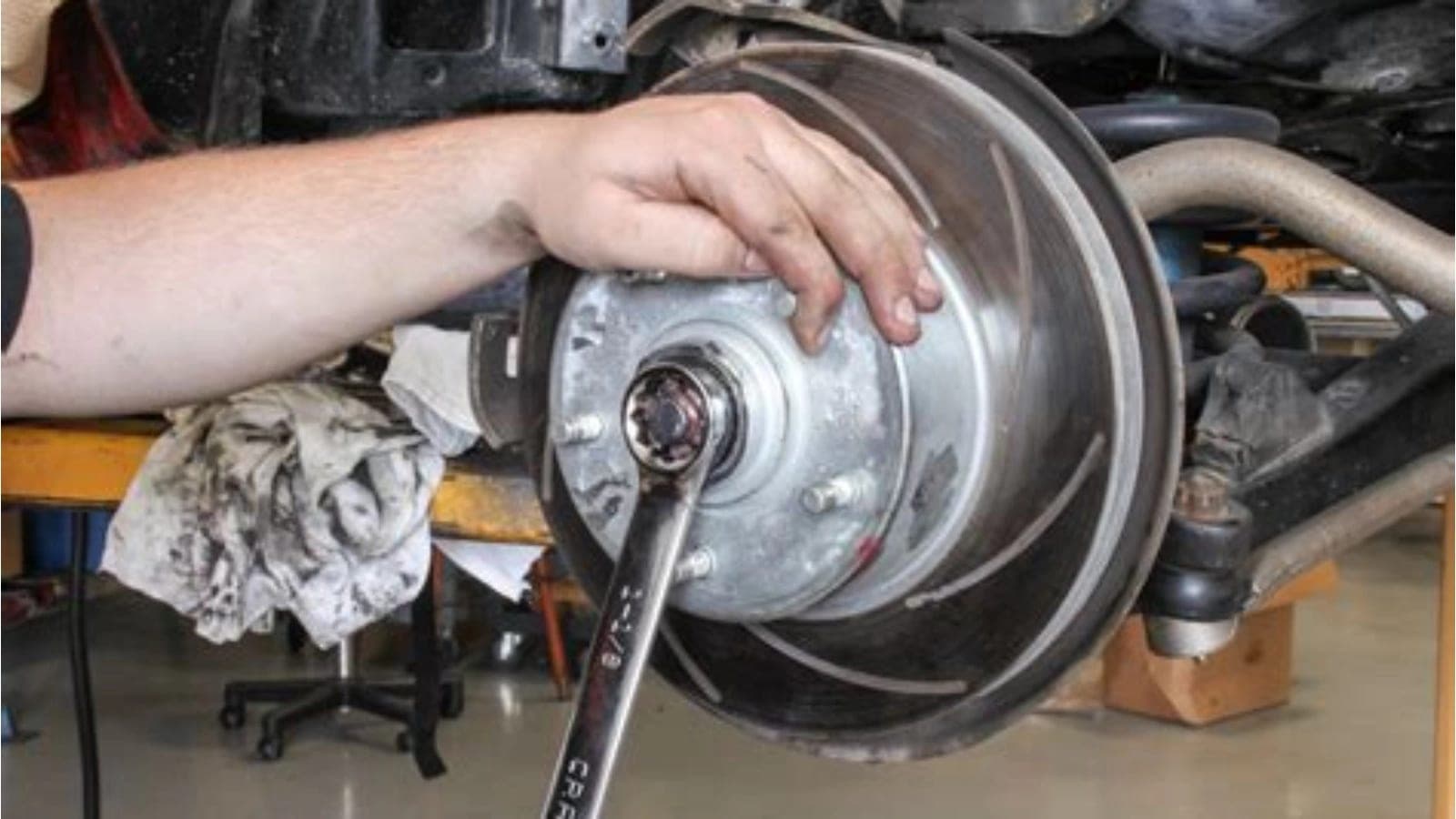
The wheel bearing replacement cost is one of those repair bills that catches used-car buyers off guard — partly because the part itself is relatively cheap, and partly because the labor to reach it can be anything but. According to RepairPal's aggregated shop data, the national average for a single front wheel bearing replacement falls between $300 and $550, while rear bearings on certain all-wheel-drive SUVs can push past $800 once the hub assembly, ABS sensor, and alignment are factored in. For anyone shopping a high-mileage vehicle at a Copart auction, a buy-here-pay-here lot, or even a franchised dealer, understanding this cost before signing matters — because a worn bearing on a test drive is a negotiation lever worth hundreds of dollars, and a missed one is a safety liability that no Buyers Guide window sticker is required to disclose under the FTC Used Car Rule.
The short answer
Most drivers in the U.S. pay $250–$550 per wheel for bearing replacement at an independent shop, or $400–$800+ at a dealership, with the part costing $40–$200 and labor accounting for the rest. Trucks and luxury SUVs with press-in bearings sit at the high end.
How Wheel Bearing Replacement Cost Breaks Down by Vehicle Type
Not all wheel bearings are created equal, and the cost gap between vehicle types reflects genuine engineering differences rather than arbitrary dealer markups. The two main configurations — bolt-on hub assemblies and press-in bearings — dictate roughly how long a technician spends on the job and how much the parts cost. A bolt-on hub assembly on a 2012 Ford F-150, for instance, can be swapped in about an hour because the entire unit — bearing, hub, and ABS tone ring — comes out as one piece. A press-in bearing on a 2018 Subaru Outback, by contrast, requires a hydraulic press, sometimes a knuckle removal, and easily doubles the labor time.
Economy and midsize sedans
Cars like the Honda Civic, Toyota Camry, and Hyundai Elantra typically use bolt-on rear hub assemblies and press-in or bolt-on front bearings. According to data published by Kelley Blue Book's service advisor tool, front bearing replacement on a 2017 Camry averages $320–$460 at an independent shop, with the hub/bearing assembly itself costing approximately $70–$130 from aftermarket suppliers such as Timken or SKF. Rear bearings on the same car tend to run $50–$80 less because of simpler access.
Trucks and full-size SUVs
Half-ton pickups and body-on-frame SUVs — the F-150, Silverado 1500, RAM 1500, Tahoe — frequently use sealed hub assemblies that bolt to the knuckle. Parts prices climb because these units are heavier-duty: a Moog or Timken front hub assembly for a 2019 Silverado 1500 lists around $120–$220 at RockAuto, and labor at the AAA's cited national average shop rate of roughly $115–$150 per hour (AAA 2024 auto repair survey) pushes the total to $400–$650 per side.
Luxury and European vehicles
BMW, Audi, and Mercedes-Benz models frequently require OEM or OEM-equivalent bearings that can cost $150–$350 for the part alone, according to FCP Euro's retail catalog. Dealership labor rates in metro areas — $180–$250 per hour in markets like Northern Virginia and the San Francisco Bay Area, per data compiled by J.D. Power — mean a single bearing job on a 2016 BMW X5 can exceed $900.
Dealership vs. Independent Shop vs. DIY: A Cost Comparison
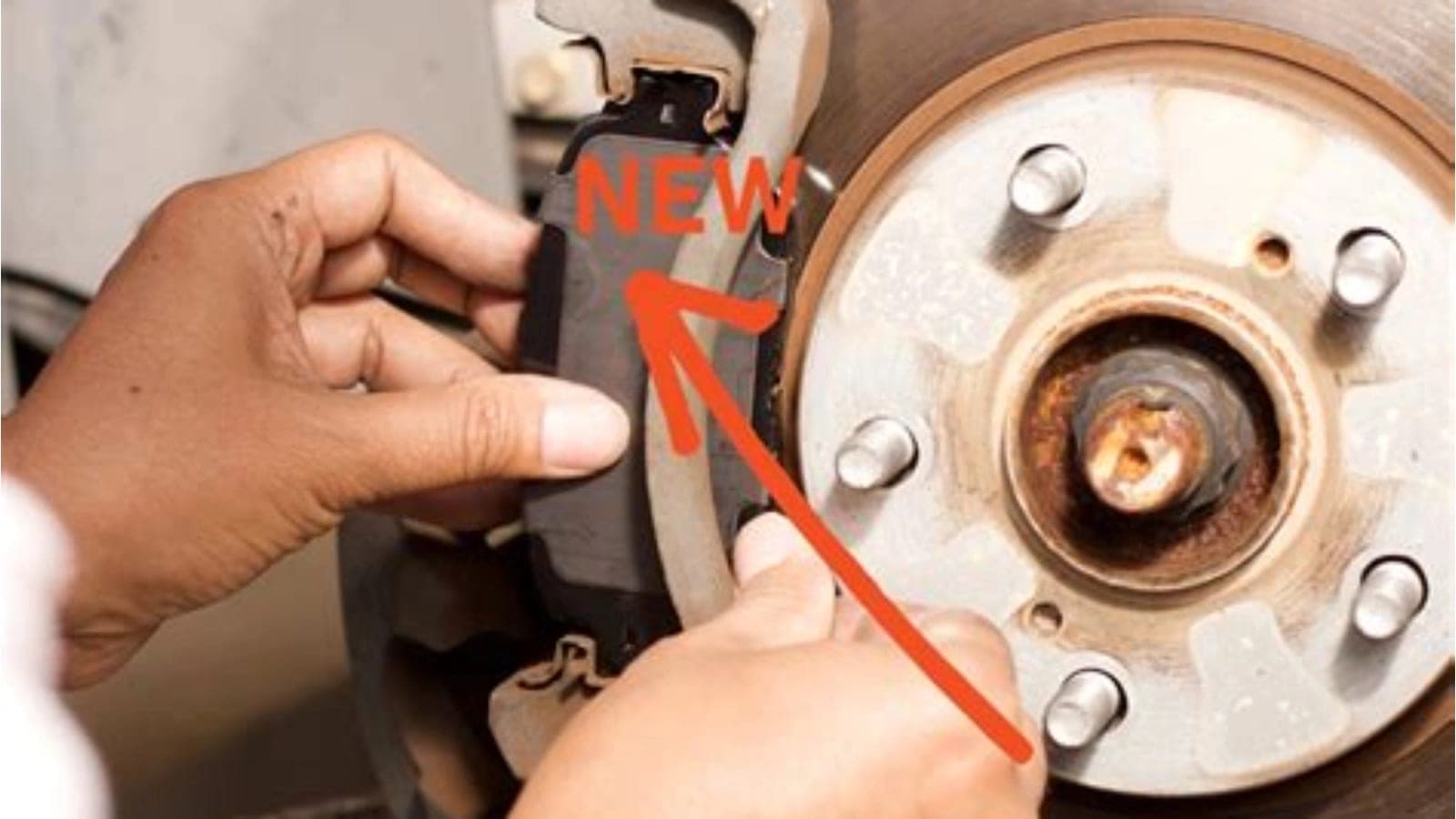
The spread between service channels is wider for wheel bearings than for simpler jobs like brake pad replacement cost, because the skill and tooling requirements vary. A dealership commands its premium partly through certified technicians and OEM parts, but an independent shop with ASE-certified mechanics and a hydraulic press delivers functionally identical results on most bearing jobs — at 20–40% less, according to a 2023 Consumer Reports analysis of repair shop pricing.
- Dealership: $400–$900+ per wheel. OEM parts, warranty typically 12 months / 12,000 miles.
- Independent shop: $250–$550 per wheel. Aftermarket parts (Timken, SKF, Moog); warranty varies, often 24 months / 24,000 miles from parts supplier.
- DIY (bolt-on hub only): $40–$200 in parts, plus roughly 1–2 hours per side if you own a torque wrench and impact gun. Press-in bearings require a hydraulic press most home garages lack.
- Mobile mechanic (YourMechanic, Wrench): $300–$600 per wheel; convenience premium of roughly 10–15% over brick-and-mortar independents, but no overhead for shop rental.
What Drives the Price Up (and How to Avoid It)
Several factors inflate a wheel bearing quote beyond the baseline, and not all of them are legitimate. Buyers should scrutinize any estimate that bundles unnecessary add-ons.
ABS sensor and wiring damage
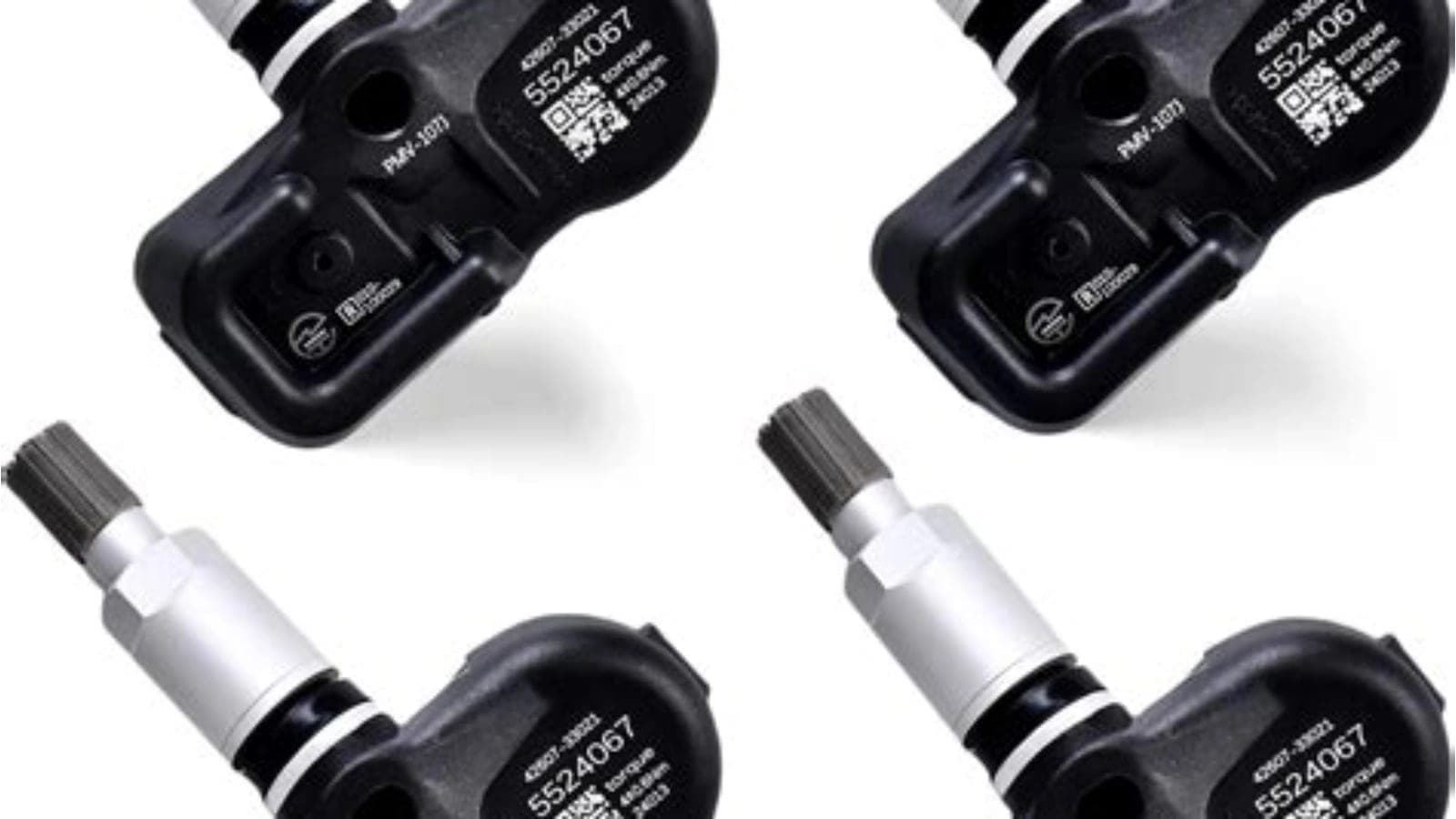
When a bearing fails catastrophically, the ABS reluctor ring or sensor wire can be damaged. Replacing the sensor adds $50–$150 in parts and triggers a related concern: the tpms sensor replacement cost, which runs $50–$100 per sensor if the tire must come off and the shop disturbs the TPMS valve stem during reassembly. Insist that the shop test ABS codes before quoting sensor replacement — a diagnostic scan takes minutes and prevents paying for parts that may not need swapping.
Alignment after knuckle removal
Press-in bearing jobs that require removing the steering knuckle almost always necessitate a wheel alignment afterward, adding $80–$130 at most shops (per Tire Rack's 2024 service pricing survey). Some shops bundle this; others list it separately. Ask upfront.
Upselling unrelated repairs
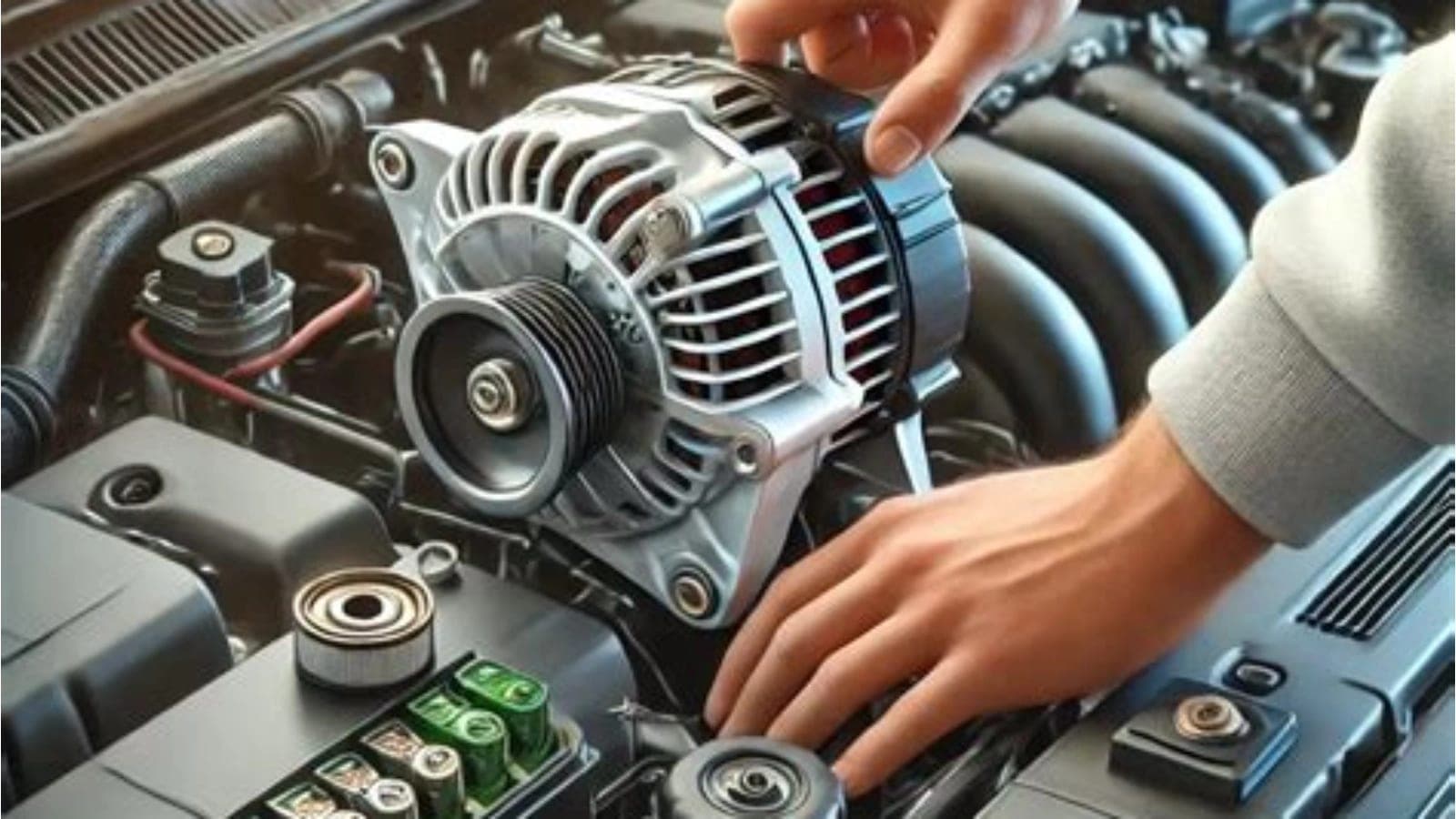
A wheel bearing appointment is a common moment for shops to flag other work — alternator replacement cost gets quoted when voltage output dips on a scan, or a catalytic converter replacement cost suddenly appears on the estimate because the O2 sensor was easier to inspect with the car on the lift. These may be legitimate findings, but requesting the old parts back and getting a second opinion on anything over $500 is a sound strategy.
Watch for "hub assembly required" claims on press-in cars
Some shops tell owners of press-in-bearing vehicles that the entire knuckle or hub must be replaced rather than pressing in a new $30–$60 bearing. This can triple the parts bill. A reputable shop with a hydraulic press can press in a new bearing for far less. If the knuckle is truly damaged, ask to see the scoring or cracks before authorizing the higher-cost route.
Weighing the Decision: Replace Now or Delay?
The temptation to delay a wheel bearing repair — especially when staring at a $400–$600 quote alongside other maintenance like brake pad replacement cost (averaging $150–$300 per axle, per RepairPal) or an upcoming battery replacement ($150–$350 for most vehicles, per AAA) — is understandable. But the math strongly favors early action. A bearing that is growling but not yet showing play might last another 1,000–5,000 miles under cautious driving; one that has measurable axial play can fail unpredictably. The catastrophic failure mode — a seized bearing that locks the wheel — can cause a loss-of-control crash, and according to NHTSA's complaint database, wheel-bearing-related incidents appear in dozens of crash narratives each year. The secondary financial damage is also severe: a seized bearing can destroy the CV axle ($200–$450), the brake rotor ($80–$150), and the knuckle ($150–$400), turning a $400 repair into a $1,200–$1,500 ordeal. Paying the $400 now is cheaper than paying $1,500 later — and far cheaper than the medical and liability costs of a highway incident.
How to Spot a Bad Wheel Bearing Before Buying a Used Car
For used-car shoppers, catching a failing bearing before purchase is one of the highest-value inspection steps available, because the seller rarely discloses it and the FTC's Buyers Guide — required on all dealer-sold used vehicles under 16 CFR Part 455 — only mandates disclosure of whether the car is sold 'as is' or with a warranty, not the condition of individual components like bearings.
- Test drive at highway speed (45–65 mph) and listen for a low-frequency humming or droning that changes pitch when you gently swerve left and right. A bearing that gets louder in a right turn is typically the left-side bearing, and vice versa, because the turn loads weight onto the opposite side.
- Jack up each corner of the car (with the seller's permission) and grab the tire at 12 and 6 o'clock positions. Rock it — any perceptible play indicates a bearing or ball-joint issue that warrants further diagnosis.
- Spin each wheel by hand and feel for roughness, grinding, or a cyclical catch. A healthy bearing spins silently.
- Request a vehicle history report or VIN check to look for prior accident damage to the suspension corner; a collision that bent a knuckle accelerates bearing wear and may not have been properly repaired.
- Ask the seller for maintenance records. Bearings replaced under warranty within the past 30,000–40,000 miles could indicate a recurring issue — certain GM trucks, for example, were subject to TSB #15-00-89-002 for premature front hub-bearing failures.
OEM vs. Aftermarket Bearings: Does Brand Matter?
The aftermarket bearing market is dominated by a handful of reputable manufacturers — Timken (made in the U.S. and China), SKF (Sweden-headquartered, global manufacturing), NTN (Japan), and Moog (Federal-Mogul / Tenneco). According to a 2022 Babcox Media survey of professional technicians, Timken and SKF were the most-recommended brands for longevity, with expected service life of 75,000–100,000 miles under normal driving conditions. Budget-tier bearings from no-name suppliers on Amazon or eBay may cost as little as $15–$30 but have been linked to premature failures at under 20,000 miles in consumer forums and verified purchase reviews. The savings of $30–$50 on the part is quickly erased by a second round of labor charges. For most buyers, a mid-tier aftermarket brand from a known supplier offers the best cost-to-longevity ratio.
Warranty and Extended Service Contract Coverage
Factory powertrain warranties from most manufacturers — which typically run 5 years / 60,000 miles (e.g., Toyota, Ford, GM) or 10 years / 100,000 miles (Hyundai, Kia) — generally do not cover wheel bearings, because bearings are classified as chassis or suspension components, not powertrain. The bumper-to-bumper warranty (usually 3 years / 36,000 miles, per manufacturer terms) does cover them, but most used-car buyers are well past that threshold. Extended service contracts sold by dealers or third parties like Endurance, CARCHEX, or Protective may cover bearings under their "exclusionary" (comprehensive) plans but typically exclude them from lower-tier "stated component" plans. Read the contract language carefully: some plans cover the bearing but not the hub assembly, leaving the buyer responsible for the more expensive integrated unit.
Regional and Seasonal Factors Affecting Price
Wheel bearing replacement costs are not uniform across the country. Labor rates in the rural South and Midwest can be $70–$90 per hour, while shops in the Northeast corridor and Pacific Coast metros frequently charge $130–$180 per hour, according to data from the Bureau of Labor Statistics' Occupational Employment and Wage Statistics for automotive service technicians (May 2023 release). Seasonality matters too: shops in salt-belt states (Michigan, Ohio, Pennsylvania, New York) see a spike in bearing failures every spring as corrosion from winter road salt accelerates seal degradation. Booking the repair in late summer or early fall — when shop calendars are less congested — may yield shorter wait times and occasionally promotional pricing.
Should You Replace Bearings in Pairs?
This is a legitimately debated question among technicians, and the answer depends on mileage and driving conditions. If one front bearing fails at 95,000 miles on a vehicle that has never had bearing work, the opposite side has endured identical loads and is statistically likely to fail within the next 10,000–20,000 miles. Replacing both at once saves a second round of labor — effectively cutting per-bearing labor cost by 25–35% because the car is already on the lift and the tools are out. On the other hand, if the failure is premature (under 50,000 miles) and attributable to a pothole impact or prior collision on one side only, there is less justification for replacing the unaffected side. A technician who can demonstrate play or roughness in the second bearing during inspection provides a defensible reason to replace both.
- Replace both if: the car has over 80,000 miles, both sides are original, and you plan to keep the vehicle for 30,000+ more miles.
- Replace one if: the failure is clearly caused by impact damage, the other side shows no play or noise, and the vehicle has under 60,000 miles.
- Always replace both on AWD vehicles if both are original and over 80,000 miles — AWD systems place more consistent load on all four bearings.
How Bearing Condition Affects Resale and Trade-In Value
A humming bearing is one of the easiest defects for a dealer appraiser or auction inspector to catch, and it will be deducted from any trade-in or wholesale offer. Manheim's condition grading system, used at the country's largest wholesale auto auction, penalizes vehicles with audible drivetrain or suspension noise — and a bad bearing falls squarely into that category. The deduction is typically the retail repair cost plus a margin, meaning a $400 fix could reduce your trade-in offer by $500–$700. Fixing the bearing before trading in — or before listing a private-party sale — almost always returns more than its cost. Conversely, if you are buying a car with a known bearing issue at auction on Copart or IAA, use the repair cost as a hard deduction from your maximum bid.
What to do next
Get two written estimates — one from a dealership, one from an ASE-certified independent shop — and compare parts brands, labor hours, and warranty terms side by side. If you are buying a used car, factor the bearing replacement cost into your offer price and confirm the vehicle's history with a VIN check before committing.
CarCheckerVIN Editorial Team
In-house automotive research team
The CarCheckerVIN editorial team combines decades of automotive industry, dealer, and journalism experience to produce trustworthy buying, selling, and ownership guidance backed by NMVTIS, NICB, and manufacturer data.
Frequently asked questions
- Is it okay to drive with a bad wheel bearing?
- Driving short distances at low speed with a bearing that only hums is unlikely to cause immediate danger, but it is not safe to continue for long. A bearing with measurable play can fail catastrophically, locking the wheel or causing it to separate from the hub. NHTSA's complaint database includes crash reports linked to bearing failures. The risk escalates with speed, and continued driving also damages adjacent components — the ABS sensor, CV axle, and brake rotor — potentially doubling or tripling the final repair bill.
- What are signs of bad wheel bearing?
- The most common symptom is a low-pitched humming or droning noise that increases with vehicle speed and changes tone when you turn the steering wheel. Other signs include a vibration felt through the steering wheel or floorboard, uneven tire wear on one side, an ABS warning light triggered by a damaged reluctor ring, and — in advanced cases — visible play when you grab the tire at 12 and 6 o'clock and rock it. Any combination of these warrants immediate inspection.
- Is replacing wheel bearings a big job?
- It depends on the bearing type. A bolt-on hub assembly — common on trucks and many SUVs — is a moderate job requiring basic hand tools and about one to two hours per wheel. A press-in bearing, found on many sedans and all-wheel-drive crossovers, is significantly more involved: the knuckle must be removed, the old bearing pressed out with a hydraulic press, and the new one pressed in with precise force. This version typically requires professional equipment and is not practical for most home mechanics.
- How long would it take to replace a wheel bearing?
- For a bolt-on hub assembly, most shops estimate one to one-and-a-half hours of labor per wheel. A press-in bearing job, which involves knuckle removal and press work, typically takes two to three hours per side. If a wheel alignment is needed after knuckle reinstallation, add another 30–45 minutes. Dealerships may quote slightly longer book times than independent shops. On vehicles with severe corrosion — common in salt-belt states — seized bolts can add an extra hour.
Ready to check a VIN?
Run a free VIN check
Decode any vehicle in under 60 seconds.