Head Gasket Repair: What It Really Costs and Whether to Fix, Walk Away, or Negotiate
A blown head gasket can cost more than a car is worth. Here's how to read the signs, get a fair repair quote, and decide whether to fix it, negotiate the price down, or walk away entirely.
On this page
- What a Head Gasket Actually Does — and Why Failure Is So Costly
- Head Gasket Repair Cost: Real Numbers by Engine Type
- Fix vs. Walk Away: The Decision Framework With Figures
- Buying a Car With a Known Head Gasket Problem? How to Negotiate
- Should You Use Blue Devil Head Gasket Sealer or a Sealer Product?
- How to Vet the Shop Before You Authorize the Repair
- After the Repair: Protecting Your Investment
- Extended Warranties and Head Gasket Coverage: What to Expect
You've just heard the words 'blown head gasket' from a mechanic, a seller, or a pre-purchase inspection report — and now you need to decide fast. Head gasket repair is one of the most expensive, most misunderstood jobs in the used-car market. It can be a legitimate $2,000 fix on a vehicle worth keeping, or it can be a money pit dressed up in cheap coolant-stop-leak. This guide cuts through the noise so you can make a buy, fix, or walk-away call with real numbers in hand.
The short answer
Budget $1,500 to $3,000 for a professional head gasket repair on most four-cylinder engines; V6 and V8 jobs routinely run $2,500 to $4,500 or more. If the repair quote exceeds 50–60 percent of the vehicle's private-party value, most buyers should walk.
What a Head Gasket Actually Does — and Why Failure Is So Costly
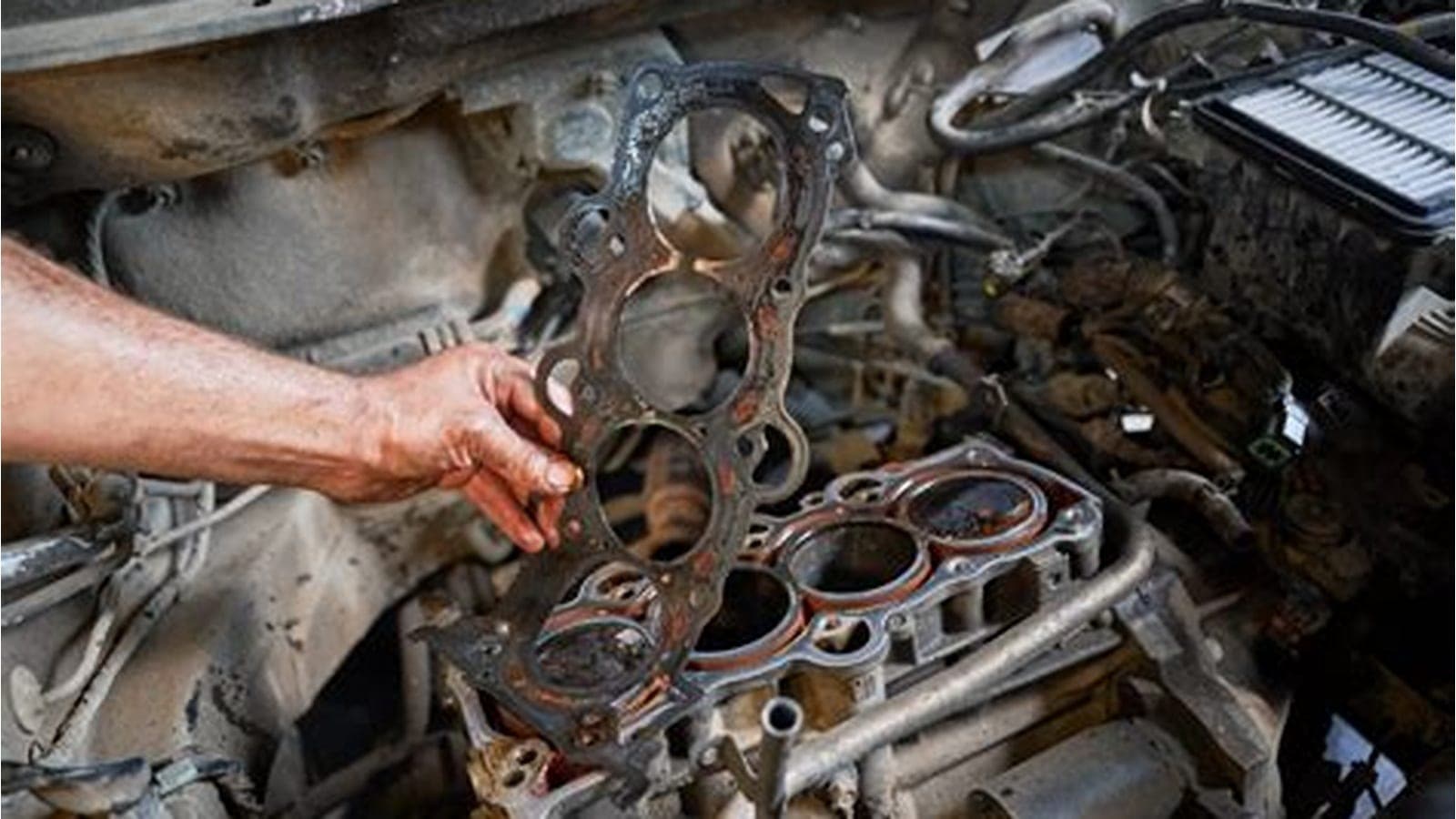
The head gasket seals the joint between the engine block and the cylinder head. It keeps combustion gases inside the cylinders while also keeping engine oil and coolant in their separate passages. When it fails, those fluids can mix, combustion gases can enter the cooling system, and coolant can enter combustion chambers. Every mile you drive after failure risks warping the aluminum cylinder head — a part that alone can cost $300 to $900 in machining fees according to the Automotive Service Association's published labor guides.
The reason repair is so expensive has nothing to do with the gasket itself. A replacement head gasket typically costs $40 to $120 in parts. The bill comes from labor: a technician has to drain coolant and oil, disconnect the intake and exhaust, remove the cylinder head, resurface or inspect it, and reassemble everything in the correct torque sequence. That process runs 8 to 20 hours of flat-rate labor on most passenger vehicles, according to Chilton and Haynes flat-rate labor estimating guides widely used by US repair shops.
The Components That Get Damaged Alongside the Gasket
A warped or cracked cylinder head turns a $1,800 job into a $3,500 job overnight. Shops also frequently find stretched head bolts (which must be replaced, not reused), scored cylinder walls from coolant intrusion, and catalytic converter damage from coolant burning in the exhaust. Budget for these line items before you approve the repair order, not after the engine is already apart.
Head Gasket Repair Cost: Real Numbers by Engine Type
RepairPal's cost estimator, which aggregates real shop invoices across the United States, shows head gasket replacement cost ranges of approximately $1,624 to $1,979 for a typical four-cylinder, $2,100 to $2,800 for a V6, and $3,000 to $4,500 or higher for a V8 or turbocharged engine. Those figures include parts and labor but assume no additional damage such as a warped head. Dealers typically charge 20 to 30 percent more than independent shops for the same job, based on AAA's 2023 survey of member repair experiences.
Geography also moves the number. Bureau of Labor Statistics Occupational Employment data shows the median automotive service technician hourly wage ranges from roughly $22 in rural South Carolina to over $38 in metro California — and shops bill at two to three times technician wages. A job quoted at $1,800 in Memphis might run $3,200 at a San Jose independent shop. Always get at least two written estimates before approving work.
What the Parts Invoice Should Show
- Head gasket set (not just the gasket — the set includes cam seals, valve cover gaskets, and intake manifold gaskets disturbed during teardown)
- Coolant and oil for refill (plan for roughly $80 to $150 in fluids)
- Head bolts if the manufacturer specifies torque-to-yield (TTY) fasteners, which are single-use
- Cylinder head resurfacing fee if the deck shows any warpage (typically $150 to $300 at a machine shop)
- Timing belt or chain replacement if accessed during the job — do it now while labor is already sunk
Fix vs. Walk Away: The Decision Framework With Figures
Run this math before you write any checks. Pull the vehicle's private-party value from Kelley Blue Book or NADA Guides in 'good' condition (assume 'fair' if it overheated). Then get a firm written repair estimate. If the estimate exceeds 60 percent of that private-party value, the repair rarely makes financial sense unless you have a strong personal reason to keep the vehicle — sentimental value, no available replacement, or a very low-mileage engine with many years of expected life remaining.
Example: a 2016 midsize sedan with 95,000 miles books at $9,500 in good private-party condition. A $2,400 head gasket repair equals about 25 percent of value — borderline acceptable, especially if a vehicle history report shows clean ownership and no prior overheating. But if that same car overheated badly, has a warped head, and the shop quote climbs to $4,800, you're now at 50 percent of value on top of a vehicle that has already stressed the engine. That's a walk-away situation.
Also factor in what a blown head gasket does to resale. Carfax and AutoCheck both flag dealership service records. A branded title is not issued for mechanical failure, but a buyer pulling a vehicle history report will see any dealership repair invoices submitted to state DMVs or insurer databases. Transparent repair documentation actually helps resale; hidden repairs destroy trust and invite price renegotiation or legal disputes under FTC Used Car Rule Buyer's Guide disclosure requirements.
Buying a Car With a Known Head Gasket Problem? How to Negotiate
Private sellers occasionally list vehicles with known head gasket issues, especially on Facebook Marketplace and Craigslist, at steep discounts. Done right, this can be a legitimate deal. Done wrong, you absorb someone else's problem at full price. The negotiation anchor is the repair estimate, not the asking price. Get a written quote from a shop before you meet the seller. Then offer the private-party good-condition value minus the full repair cost minus a 10 to 15 percent risk premium for unknown secondary damage.
Run a VIN check before any offer. Overheating events sometimes trigger insurance claims that appear in NMVTIS (the National Motor Vehicle Title Information System), the federally mandated database that all US states, insurers, and junk yards are required to report to under 49 U.S.C. § 30504. A prior total-loss brand related to fire or flood can indicate pre-existing engine stress that contributed to gasket failure. If the seller resists a pre-purchase inspection, treat that refusal as a disqualifying red flag.
Auction Vehicles With Head Gasket Damage
Copart and IAA regularly list vehicles with engine or overheating damage. Auction buyers have no right of return and often cannot run the engine before bidding. According to Copart's published buyer fee schedule, buyer fees on a $4,000 vehicle can total $400 to $600 before transport — stacking cost on top of an already expensive repair. Only bid at auction if you have a firm shop repair estimate and can absorb the worst-case scenario of a cracked block.
Should You Use Blue Devil Head Gasket Sealer or a Sealer Product?
Blue Devil Head Gasket Sealer is the market leader in chemical sealant products, typically retailing for $50 to $60 per bottle at AutoZone, O'Reilly, and Advance Auto Parts. The product works by flowing through the cooling system and polymerizing when it contacts combustion gases, forming a seal at the breach point. For a small, external seep with no internal coolant-to-oil mixing and no overheating damage, it genuinely buys time for some owners. Blue Devil's own marketing specifies the product works on 'head gasket, block, radiator, and freeze plug leaks' and is not a substitute for mechanical repair on severely damaged engines.
The honest assessment: sealer products make sense as a short-term measure while you arrange a proper repair, or as a cost-benefit play on a high-mileage vehicle you plan to drive conservatively until it's worth repairing or replacing. They are not a long-term fix on a vehicle where combustion gases are actively pressurizing the cooling system (visible bubbling in the coolant reservoir), where coolant and oil are mixing (milky brown oil or white froth on the dipstick), or where the cylinder head has already warped. Using sealer on a severely blown head gasket masks symptoms while damage compounds — which is exactly why used-car dealers sometimes apply it before listing vehicles.
How to Spot a Sealer-Treated Engine During Inspection
- Reddish or orange powder residue visible inside the coolant reservoir cap or radiator filler neck
- Unusual cloudiness in the coolant that doesn't look like normal corrosion deposits
- A recently flushed cooling system on a high-mileage vehicle with no other maintenance records supporting it
- Coolant that smells faintly of chemicals beyond the normal ethylene glycol sweet odor
Sealer in the cooling system can void a shop's repair warranty
Many independent shops and all franchised dealers will refuse to warranty a head gasket repair if they find sealer residue in the cooling system, because the product can clog heater cores, narrow coolant passages, and interfere with thermostat operation. If you used sealer and now need a mechanical repair, disclose it upfront and expect to pay for a full cooling system flush before the shop will begin teardown.
How to Vet the Shop Before You Authorize the Repair
Head gasket replacement is a job where shop competence matters enormously. An improperly torqued cylinder head re-fails within 10,000 miles, and you're back to square one. Look for ASE-certified technicians (the National Institute for Automotive Service Excellence certifies technicians specifically in Engine Repair under the A1 certification). Shops that display the ASE Blue Seal of Excellence employ at least 75 percent ASE-certified technicians and have a certified service consultant. That badge doesn't guarantee perfection, but it's a meaningful filter.
Ask the shop specifically whether they will pressure-test the cooling system after reassembly and whether a cylinder head resurfacing check is included in the estimate. Both steps cost very little extra time but catch problems before they cause a repeat failure. A shop unwilling to include these steps in writing is a shop to skip. Get the repair warranty in writing: a reputable independent shop typically offers 12 months or 12,000 miles on head gasket work; many national chains offer 24 months or 24,000 miles under their nationwide warranty programs.
Questions to Ask Before You Sign the Repair Order
- Will you pressure-test and vacuum-test the cooling system after reassembly, and is that included in this estimate?
- Does this quote cover cylinder head resurfacing if the deck shows any warpage on inspection?
- Are the head bolts included — and if the manufacturer specifies TTY bolts, are new ones in this quote?
- What is your parts and labor warranty on this repair, and does it transfer if I sell the vehicle?
- Do you document repairs with photos I can share with a future buyer or for a vehicle history report update?
After the Repair: Protecting Your Investment
A properly done head gasket repair can give an engine 100,000 or more additional miles of reliable service — but only if you change driving habits that caused or accelerated the original failure. Monitor coolant temperature obsessively for the first 1,000 miles post-repair. Any upward drift toward the red zone means pulling over immediately; the repaired engine is no more tolerant of overheating than the original gasket was. Set a coolant-temperature alert on your dash display if your vehicle supports it.
Change the oil at the next scheduled interval — typically every 5,000 to 7,500 miles under normal service intervals recommended by the EPA's fuel economy and maintenance guidance — even if the repair shop changed it during the job. Coolant contamination in oil degrades additives, and fresh oil after a major engine repair is cheap insurance. Keep every receipt from the repair. The FTC Used Car Rule's Buyer's Guide disclosure requirements apply to dealers reselling the vehicle, and documented, transparent repair history is your single strongest negotiating asset if you ever sell.
Extended Warranties and Head Gasket Coverage: What to Expect
If you bought an extended warranty or vehicle service contract (VSC) before the failure, head gasket replacement is covered under virtually all powertrain-level VSCs — but coverage depends entirely on how the failure is documented. Insurers and VSC administrators will deny claims if they can show overheating resulted from owner neglect: low coolant from a known leak you didn't address, for example. Keep records that you maintained cooling system fluid levels and addressed warning lights promptly.
If you're buying a used car with a head gasket problem and considering a VSC purchase afterward, know that pre-existing conditions are universally excluded. The VSC won't cover a failure that existed before the contract start date. The FTC regulates VSC marketing under its rules on unfair or deceptive acts, and several states require VSC providers to maintain statutory reserves — but those protections don't conjure coverage for pre-existing damage. Buy before the problem exists, not after.
What to do next
Get a written, itemized repair estimate from at least two ASE-certified shops before you approve any work or make any offer on a vehicle with a known head gasket problem. Then run the 60-percent-of-value test: if repair cost divided by current private-party book value exceeds 0.60, seriously consider walking. Pull a vehicle history report to confirm no prior overheating events or title brands before you commit.
CarCheckerVIN Editorial Team
In-house automotive research team
The CarCheckerVIN editorial team combines decades of automotive industry, dealer, and journalism experience to produce trustworthy buying, selling, and ownership guidance backed by NMVTIS, NICB, and manufacturer data.
Frequently asked questions
- What causes a blown head gasket?
- Overheating is the primary cause — aluminum cylinder heads expand faster than cast-iron blocks, crushing the gasket unevenly and breaking its seal. Detonation (engine knock from low octane or ignition timing errors), age-related metal fatigue, and improper installation can also cause failure. Turbocharged engines face higher cylinder pressure and fail at higher rates. A single severe overheating event can blow a gasket that was otherwise in good condition.
- Can you fix a cracked head gasket?
- You replace a head gasket; you don't repair the old one. The failed gasket comes out and a new one goes in. What you can sometimes repair is a cracked cylinder head — a machine shop can weld and resurface minor cracks on cast-iron heads, though aluminum heads are usually replaced rather than welded. A cracked block is generally an engine-replacement situation, not a repair. Chemical sealers like Blue Devil offer a temporary workaround but not a structural fix.
- Can you drive with a blown head gasket?
- Short answer: no. Every mile risks warping the cylinder head, contaminating the oil with coolant (which strips bearing lubrication), or pushing coolant into a cylinder and hydrostatically locking the engine — a catastrophic, unrecoverable failure. Some small external seeps allow limited driving to reach a shop, but internal failures require immediate shutdown. If your temperature gauge climbs above normal, pull over. Towing costs far less than an engine replacement.
- How long does head gasket repair take?
- Plan for two to five business days at most shops. The job itself runs 8 to 20 flat-rate labor hours depending on engine configuration and accessibility, but shops also need time for machine-shop cylinder head resurfacing (usually a one-day turnaround) and parts ordering if components are not in stock. Turbocharged or interference-engine vehicles run toward the longer end. Ask the shop for a firm completion estimate in writing before you authorize teardown.
Ready to check a VIN?
Run a free VIN check
Decode any vehicle in under 60 seconds.