Catalytic Converter Replacement Cost: What You'll Actually Pay in 2025
A catalytic converter replacement can run from under $1,000 to well over $3,500. Here's what drives those numbers, when the repair is worth it, and how to avoid overpaying.
On this page
- Why Catalytic Converters Cost So Much
- Catalytic Converter Replacement Cost by Vehicle Type
- How to Tell If You're Facing This Bill
- OEM, Aftermarket, or Used: Weighing the Options
- Cost vs. Risk: When Replacing Makes Financial Sense
- Catalytic Converter Theft: A Used-Car Buyer's Hidden Risk
- DIY Replacement: Realistic or Risky?
- Emissions Warranty and Extended Coverage
- Related Repairs to Budget For
- Buying a Car With a Known Converter Issue
- How to Get the Best Price on Converter Replacement
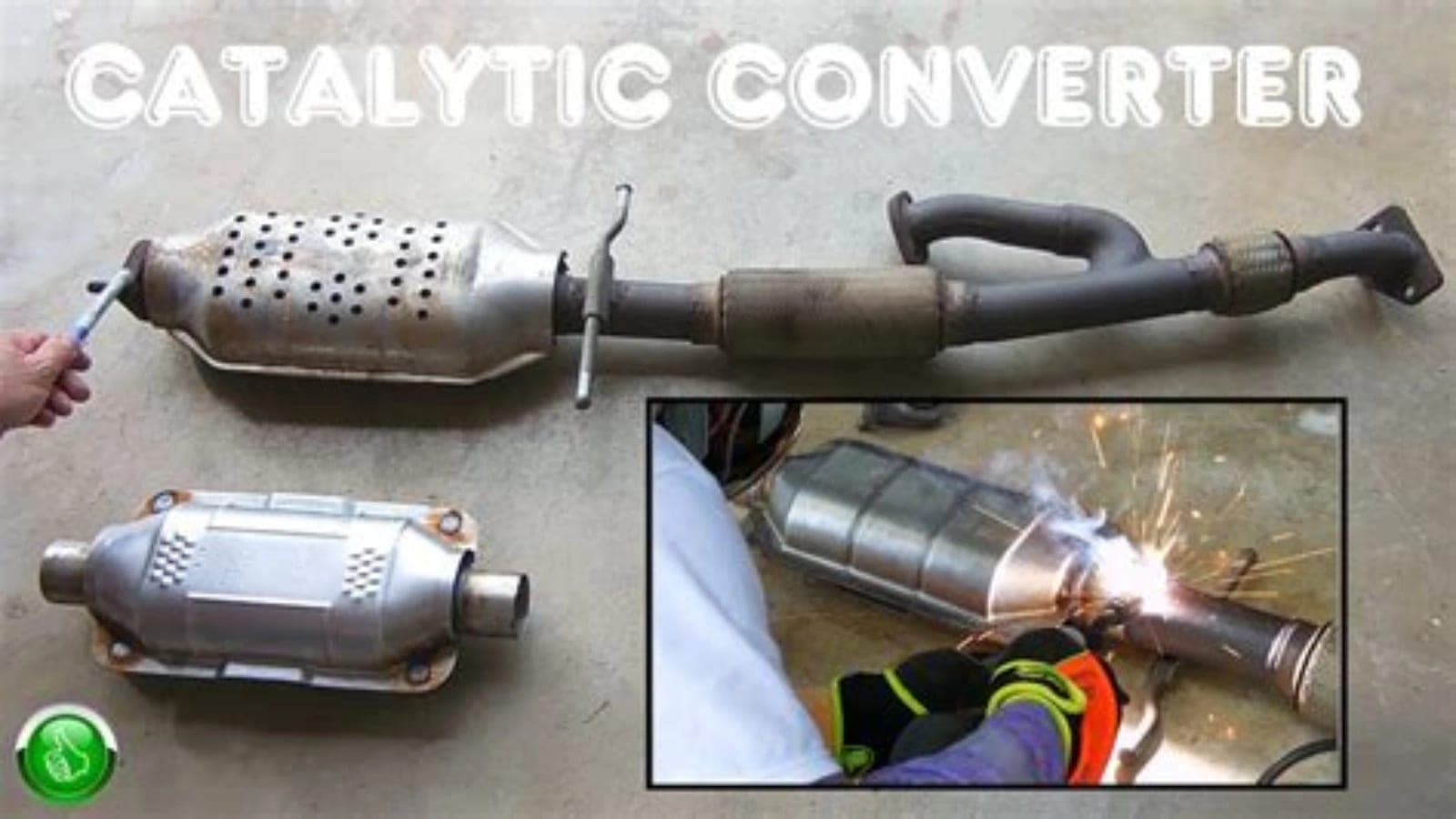
Your check-engine light has been on for weeks. The shop says P0420 — catalyst efficiency below threshold. Now you're staring at a quote that makes your stomach drop. The catalytic converter replacement cost is one of the largest single-repair bills a car owner can face, and if you're shopping for a used vehicle, a failing or stolen cat can quietly turn a deal into a money pit. Whether you're deciding to fix your current car or evaluating a used purchase with a known converter issue, this guide lays out the real numbers, the trade-offs, and the smartest path forward.
The short answer
Most drivers pay between $900 and $2,500 for a catalytic converter replacement at an independent shop, though some vehicles — particularly hybrids and trucks with multiple converters — can push the bill past $3,500. The precious metals inside the converter account for roughly half the cost.
Why Catalytic Converters Cost So Much
A catalytic converter isn't just a pipe. It's a small chemical reactor lined with platinum, palladium, and rhodium — metals that trade at staggering prices. According to the U.S. Geological Survey's 2024 Mineral Commodity Summary, rhodium averaged approximately $4,575 per troy ounce in 2023. Palladium hovered near $1,337 per ounce that same year per the same USGS data. Even small quantities of these metals drive parts prices far above what you'd expect for an exhaust component.
OEM vs aftermarket parts
Original-equipment converters from the dealer can cost $1,200 to $3,000+ for the part alone — before labor. Aftermarket CARB-compliant converters often run $300 to $800 for the part, but availability depends heavily on your state. California, New York, Colorado, and Maine enforce stricter rules that may require a CARB-certified unit. The California Air Resources Board publishes a list of approved aftermarket converters by application; if your vehicle isn't on the list, you're stuck buying OEM. That single regulatory fact can double or triple your bill.
Labor and location
Labor for a straightforward bolt-on replacement typically runs 1 to 2.5 hours. At an independent shop charging $100–$150 per hour — a range consistent with AAA's 2023 survey of repair costs — that's $100 to $375. Dealerships bill higher hourly rates, often $150–$250 per hour according to RepairPal's national data. Vehicles with converters welded into the exhaust manifold or tucked deep in a V6 or V8 layout require more time and more expertise.
Catalytic Converter Replacement Cost by Vehicle Type
Not all vehicles carry the same price tag. Below are realistic total-cost ranges — parts plus labor — based on RepairPal and YourMechanic national estimate data for 2024–2025. These assume an independent shop and a quality aftermarket part where legally available.
- Compact sedans (Honda Civic, Toyota Corolla): $900–$1,500 total, often on the low end because parts are abundant and access is easy.
- Midsize sedans (Toyota Camry, Honda Accord): $1,000–$1,800 total. Four-cylinder models stay lower; V6 variants with dual converters cost more.
- Full-size trucks and SUVs (Ford F-150, Chevy Silverado): $1,200–$2,800 total. Many trucks have two or even four converters in the exhaust system.
- Hybrid vehicles (Toyota Prius): $1,800–$3,500+ total. Prius converters contain higher concentrations of precious metals because the engine cycles on and off, requiring a more efficient catalyst.
- Luxury and European brands (BMW, Mercedes-Benz, Audi): $1,500–$3,500+ total. OEM-only requirements and integrated exhaust manifold designs inflate costs.
These figures matter enormously when you're evaluating a used-car purchase. A $6,000 Prius with a dead converter could need $3,000 in exhaust work before it passes emissions — making it a $9,000 car. Always pull a vehicle history report before buying; it won't show converter condition directly, but flagged emissions-test failures and theft claims are red flags.
How to Tell If You're Facing This Bill
Before you commit to a repair, confirm the diagnosis. A stored P0420 or P0430 code doesn't always mean the converter itself has failed — a lazy oxygen sensor, an exhaust leak, or even a bad engine tune can trigger the same code. Replacing the wrong part is expensive and frustrating.
- Ask the shop for live O2 sensor data. A healthy downstream sensor shows a nearly flat voltage line. If it's mirroring the upstream sensor's oscillation, the converter is likely spent.
- Check for rattling inside the converter by tapping it gently. A loose substrate — the honeycomb inside — means internal failure.
- Request a temperature test. A properly functioning converter should be hotter at its outlet than its inlet. If the temperatures are equal, the catalyst isn't reacting.
- Rule out upstream causes. Misfires, rich-running conditions, and coolant leaks into combustion chambers can kill converters prematurely — and they'll kill the new one too if you don't fix the root cause first.
OEM, Aftermarket, or Used: Weighing the Options
This is the decision that determines your final bill. Here's how the three main options compare, with real trade-offs.
OEM new
The safe bet. You get an exact-fit part with a manufacturer warranty — typically 8 years or 80,000 miles for emissions components, as required by EPA regulations under the Clean Air Act. The downside is price: OEM converters for a 2020 Toyota Tacoma, for example, can list above $2,000 per unit at the dealer parts counter. If your vehicle is still within that federal emissions warranty window, check with the dealer before paying out of pocket — the repair may be covered.
Aftermarket CARB-compliant
Usually 40–60% cheaper than OEM. A CARB-certified aftermarket converter for a common application might cost $350–$700 for the part. These units meet federal and California standards, but you need to match the exact CARB Executive Order number to your vehicle's year, make, engine, and emission system. Installing a non-compliant converter is a federal violation under the Clean Air Act — Section 203(a)(3) — and can carry fines of up to $5,580 per violation for individuals, according to the EPA's civil penalty policy updated in 2024.
Used or salvage
Tempting for budget buyers, but risky. Federal law does not prohibit the sale of used converters, but many states restrict their installation. California, for instance, banned the installation of used catalytic converters via Health & Safety Code Section 44015.1. Even where legal, a used converter may be partially depleted and fail emissions testing within a year. You save upfront but may pay twice.
Cost vs. Risk: When Replacing Makes Financial Sense
Here's the math most guides skip. If your car is worth $8,000 and the converter replacement costs $1,500, spending 19% of the vehicle's value on a critical emissions component is almost always justified — the car continues to pass state inspections and holds its resale value. But if the car is worth $3,000 and the bill is $2,800, you're spending 93% of its value on one repair. That's the zone where selling the vehicle as-is or trading it in starts to make sense.
Consider what else the car needs. A converter failure often coincides with high-mileage wear items. If you're also facing a brake pad replacement cost of $150–$350 per axle, an alternator replacement cost of $400–$700, or a battery replacement at $150–$300 — all realistic ranges per RepairPal's 2024 national data — the total repair bill can exceed the car's market value quickly. Stack those costs honestly before committing.
On the other hand, if you're buying a used car with a known converter problem, you hold negotiating leverage. A converter issue gives you grounds to request $1,500–$3,000 off the asking price. Just make sure the seller discloses the issue — the FTC's Used Car Rule requires dealers to display a Buyers Guide indicating whether the vehicle is sold 'as is' or with a warranty, and some states require disclosure of known defects.
Catalytic Converter Theft: A Used-Car Buyer's Hidden Risk
Converter theft has surged over the past several years. The National Insurance Crime Bureau reported more than 64,000 catalytic converter theft claims in 2022 — a dramatic increase from about 3,400 in 2019. If you're buying a used vehicle, especially a Toyota Tundra, Prius, Honda Accord, or any truck that sits high off the ground, inspect the exhaust system closely. Look for fresh welds, mismatched pipe diameters, or aftermarket shields that suggest a prior theft and replacement.
A VIN check can reveal a prior theft claim filed through insurance, which would appear in NMVTIS records or insurer-reported data. If the converter was replaced after a theft with a cheap, non-compliant part, you could inherit an emissions failure — and the full replacement bill.
Protecting a converter after replacement
- Install a catalytic converter shield or cage — aftermarket options from companies like CatClamp or MillerCAT run $150–$400 installed.
- Etch the VIN into the converter's heat shield. Many police departments and some Muffler shops offer this for free.
- Park in well-lit areas or garages. Thieves typically need only 60–90 seconds with a battery-powered saw.
- Check whether your state has enacted a catalytic converter theft law — at least 40 states passed or updated such statutes between 2021 and 2024, per the National Conference of State Legislatures.
DIY Replacement: Realistic or Risky?
If you're mechanically inclined and your vehicle uses a bolt-on converter — not a welded or manifold-integrated design — DIY replacement is feasible. You'll need jack stands, penetrating oil for rusted bolts, new gaskets, and an OBD-II scanner to clear codes afterward. The parts savings can be substantial: you'd pay $300–$800 for an aftermarket converter versus $900–$2,500 at a shop.
But there are real risks. Improper installation can create exhaust leaks, which trigger the same P0420 code you just tried to fix. In states that require a smog inspection, a technician may refuse to pass a vehicle if the converter doesn't match the approved application or lacks a visible CARB EO number. And some vehicles — particularly those with converters integrated into the exhaust manifold — require specialized tools and significant disassembly. On those cars, shop labor is money well spent.
Emissions Warranty and Extended Coverage
Before paying anything, check your warranty status. Federal emissions warranty rules under the Clean Air Act require manufacturers to cover the catalytic converter for 8 years or 80,000 miles on vehicles sold in the United States — this applies to the converter, the ECU, and the onboard diagnostics module. Some states extend this further; California's emission warranty covers major components for 7 years or 70,000 miles beyond the federal floor for certain parts, and the converter falls under the longer federal period regardless.
If you're outside warranty, an extended warranty or vehicle service contract may cover the converter — but read the fine print. Many third-party warranty companies exclude emissions components or cap coverage at $1,500, which may not cover the full cost on a hybrid or luxury vehicle. Ask for the exclusions list before signing.
Related Repairs to Budget For
A converter failure rarely happens in isolation. Here are common companion repairs and their approximate costs — useful for building a realistic maintenance budget.
- Oxygen sensor replacement: $200–$450 per sensor (parts and labor) per RepairPal. Most vehicles have two to four sensors, and a failing upstream sensor can mask or mimic converter problems.
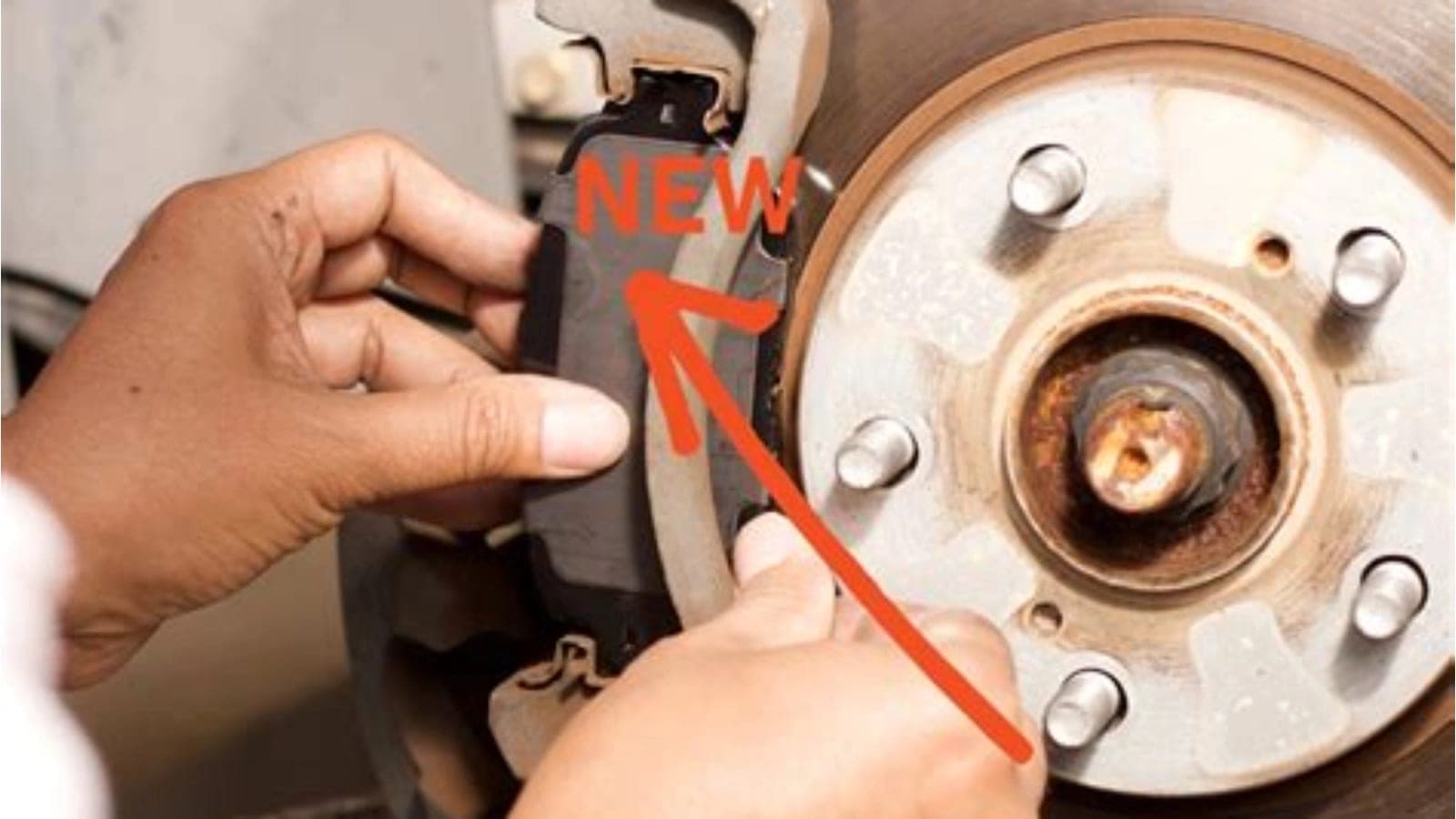
- Brake pad replacement cost: $150–$350 per axle at an independent shop, a routine maintenance item that often comes due around the same mileage as converter issues (80,000–120,000 miles).
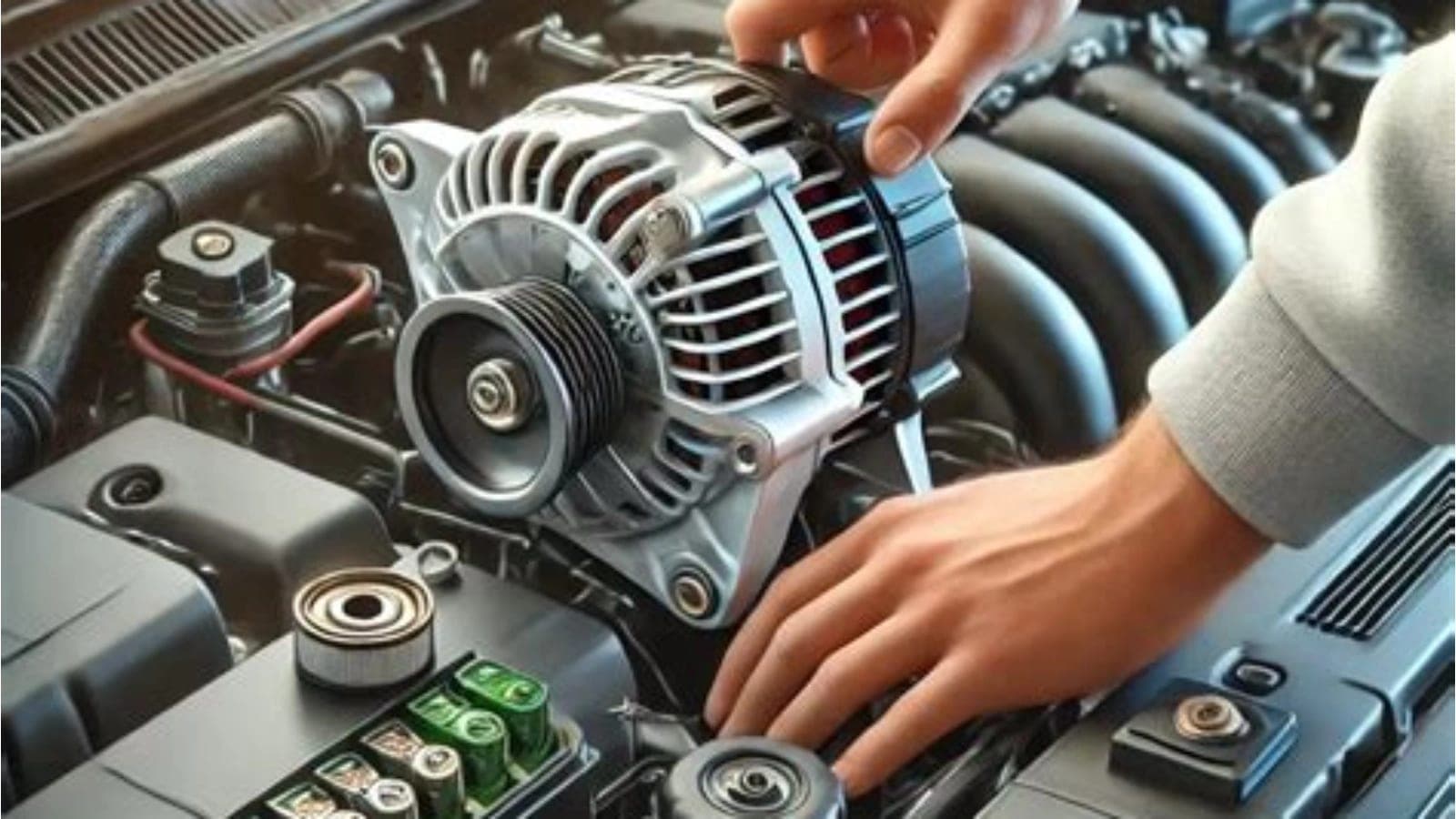
- Alternator replacement cost: $400–$700 for most vehicles, another high-mileage failure point that can strain a repair budget.
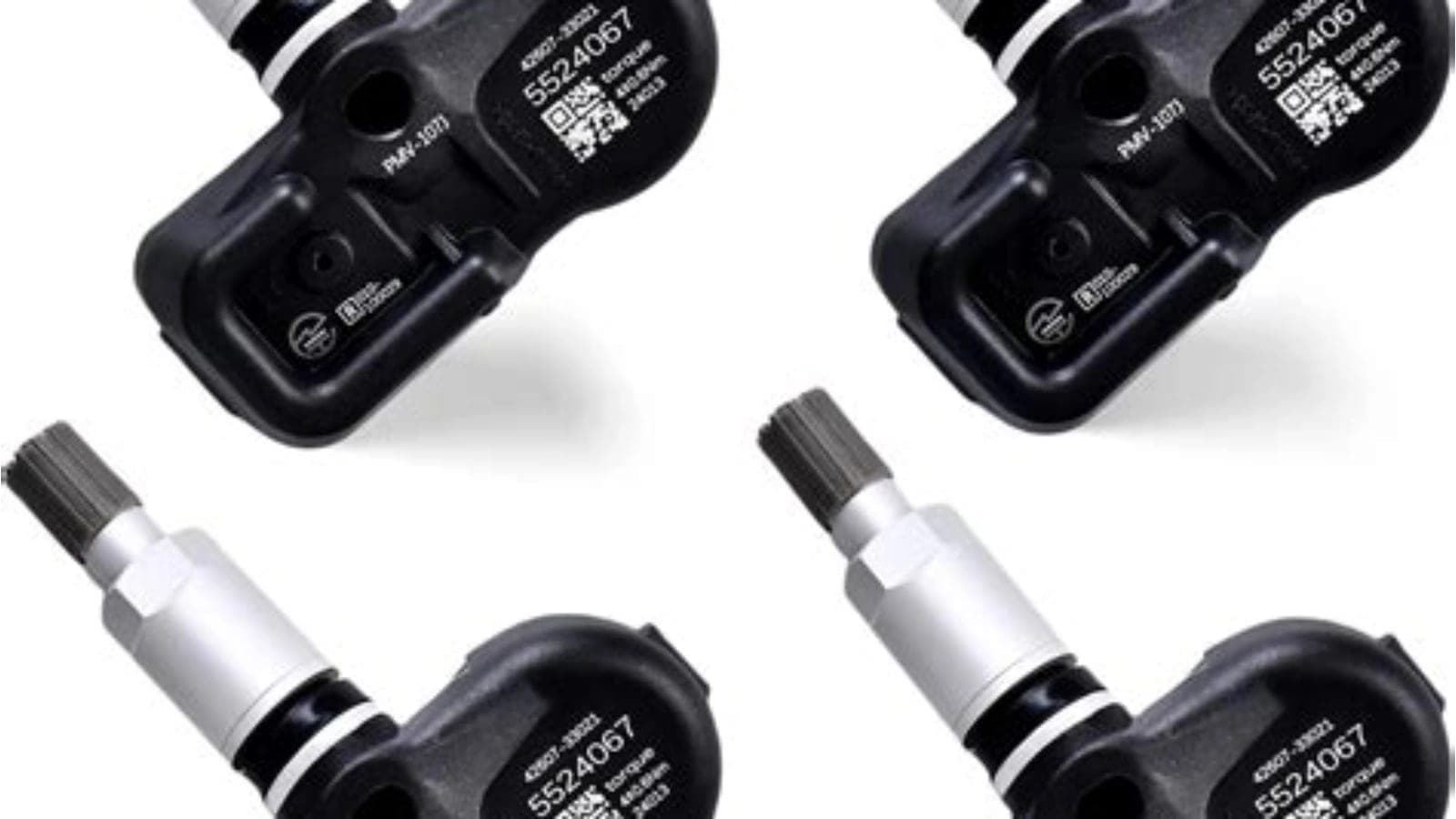
- TPMS sensor replacement cost: $50–$150 per sensor, often flagged during state inspections and easy to overlook when bigger bills demand attention.
- Battery replacement: $150–$300 for a conventional 12V battery, or $2,000–$6,000+ for a hybrid battery pack — a separate but significant cost center on aging hybrids.
Buying a Car With a Known Converter Issue
Used-car buyers encounter converter problems at auctions — Copart and IAA regularly list vehicles with emissions failures — and on buy-here-pay-here lots where pre-sale inspections are minimal. If you're considering one of these vehicles, treat the converter repair as a fixed cost that gets added to the purchase price. A $4,500 auction car plus a $2,000 converter repair is a $6,500 car. Compare that total against clean retail examples before bidding.
At a dealership, the FTC's Buyers Guide must disclose whether the vehicle comes with a warranty or is sold as-is. If you spot a check-engine light during a test drive, ask the dealer to pull codes before negotiating. A P0420 code provides concrete leverage. In private-party sales, you have fewer legal protections — but you also have the freedom to walk away without pressure. Either way, a pre-purchase inspection at an independent shop — typically $100–$200 — can catch converter issues before they become your problem.
Don't ignore emissions failures on a used-car purchase
In 33 states plus the District of Columbia, vehicles must pass an emissions or smog test to be registered, according to the EPA. A failed converter means a failed test — and in most of those states, you cannot legally register or renew the vehicle until the repair is completed. Factor the converter fix into your total purchase cost before you commit.
How to Get the Best Price on Converter Replacement
Shop around — literally. Prices vary significantly between shops, even in the same metro area. Here's a systematic approach.
- Get three written estimates from independent muffler shops or general repair shops. Avoid chain shops that mark up parts aggressively.
- Ask each shop whether they're quoting OEM or aftermarket and whether the aftermarket unit is CARB-compliant. This one question can reveal a $500–$1,500 price difference.
- Check the federal emissions warranty period for your specific vehicle before approving any work. The manufacturer must cover eligible converters for 8 years or 80,000 miles under the Clean Air Act.
- If you're in a state without emissions testing (like Florida or South Dakota), confirm with the shop that a less expensive EPA-compliant — but not CARB-certified — converter is legal for your application.
- Ask about a warranty on the repair. Reputable shops offer 12–24 months of parts-and-labor coverage on converter work.
What to do next
Get three written quotes from independent shops this week — specify whether you need a CARB-compliant or EPA-only converter for your state. Compare those quotes against your vehicle's current market value. If the repair exceeds 50% of the car's worth and other major systems are aging, it may be time to sell and buy smarter. For any used-car purchase, run a vehicle history report to check for prior theft claims and emissions failures before you sign.
CarCheckerVIN Editorial Team
In-house automotive research team
The CarCheckerVIN editorial team combines decades of automotive industry, dealer, and journalism experience to produce trustworthy buying, selling, and ownership guidance backed by NMVTIS, NICB, and manufacturer data.
Frequently asked questions
- Is it worth replacing a catalytic converter?
- Yes — if the vehicle's market value significantly exceeds the repair cost and the rest of the car is sound. A $1,500 converter repair on a $10,000 car is a reasonable investment. But if the repair approaches or exceeds 50% of the vehicle's value, and you're also facing other high-mileage maintenance like brake pad replacement cost or alternator work, selling the car may be the smarter financial move. Also check whether your vehicle is still within the federal 8-year/80,000-mile emissions warranty before paying out of pocket.
- Can I drive with a bad catalytic converter?
- Technically, a car will usually still run with a failing converter. However, driving with a clogged converter can cause overheating, loss of power, and potential damage to the engine. A converter that's breaking apart internally can send debris into the muffler or even back toward the engine. In 33 states plus D.C., you'll also fail an emissions test and be unable to register the vehicle, according to EPA records. Driving with a hollowed-out or removed converter is a federal violation under the Clean Air Act.
- What is the cheapest way to fix a catalytic converter?
- The cheapest legitimate option is an aftermarket EPA-compliant converter — typically $200–$500 for the part — installed by an independent muffler shop charging $100–$250 in labor. This works in states without CARB requirements. If your state mandates CARB-certified converters, aftermarket options cost $350–$800. DIY installation on bolt-on designs saves labor entirely. Avoid used converters in states that prohibit their installation, and never install a non-compliant part — the EPA can fine individuals up to $5,580 per violation.
- What are signs of a bad catalytic converter?
- The most common sign is a check-engine light with a stored P0420 or P0430 code, indicating catalyst efficiency below threshold. Other symptoms include a sulfur or rotten-egg smell from the exhaust, reduced acceleration and engine power, rattling noises from under the vehicle — especially on cold starts — and failed emissions testing. A clogged converter can also cause the engine to stall or overheat. If you notice any combination of these, have a shop verify with live O2 sensor data before committing to replacement.
Ready to check a VIN?
Run a free VIN check
Decode any vehicle in under 60 seconds.