Serpentine Belt Replacement Cost: What You'll Actually Pay in 2024
A serpentine belt costs $25–$75, but labor adds up fast. Here's what shops actually charge, when DIY makes sense, and how to avoid the upsell on a used car that's overdue.
On this page
- What Drives Serpentine Belt Replacement Cost
- Price Comparison: Serpentine Belt vs. Other Common Repairs
- DIY vs. Shop: The Real Math
- When Does a Serpentine Belt Need Replacing?
- Buying a Used Car with a Worn Belt: Negotiate, Don't Walk
- What Happens When a Serpentine Belt Breaks
- Dealership vs. Independent Shop vs. DIY: A Direct Comparison
- Should You Bundle Other Maintenance at the Same Time?
- Red Flags When Getting Quotes
- Final Cost Snapshot and What to Expect
You're staring at a maintenance estimate or poking around under the hood of a used car you're about to buy, and one line item keeps showing up: serpentine belt replacement cost. It's not flashy. Nobody brags about a fresh belt at Cars and Coffee. But that single ribbed strip of rubber runs your alternator, power steering pump, A/C compressor, and water pump — basically everything that makes your car feel like something built after 1975. When it snaps, you're on the shoulder calling a tow truck, and the cascade of failures can make a $30 belt into a $1,500 afternoon. So let's talk real numbers, when to do it, and whether a used car with an overdue belt should scare you off or just earn you a price concession.
The short answer
Expect to pay $100–$250 total at an independent shop for most vehicles. The belt itself runs $25–$75; labor is the rest. Luxury and European models can push $300–$400 because engineers apparently design engine bays to discourage human hands.
What Drives Serpentine Belt Replacement Cost
The belt is cheap. What you're really paying for is the mechanic's time and the routing complexity of your particular engine. A 2015 Honda Civic? The belt is right there on top — a straightforward 30-minute job. A 2018 BMW X5 with a turbocharged inline-six? That belt hides behind a fan shroud, auxiliary components, and what appears to be spite. According to RepairPal's 2024 estimates, the national average for serpentine belt replacement runs between $109 and $205, with the belt part averaging $28–$80 and labor averaging $62–$125. Those numbers shift meaningfully depending on three factors.
Vehicle make and model
Domestic trucks and mainstream sedans (Ford F-150, Toyota Camry, Chevy Malibu) sit at the low end of the range. European luxury vehicles — Mercedes, BMW, Audi — routinely land at the high end because belt routing is more complex and OEM parts carry a premium. According to Kelley Blue Book's service cost data, the average serpentine belt replacement on a BMW 3 Series runs $180–$390 depending on the model year and engine, roughly double a comparable Honda Accord.
Shop type
Dealership service departments typically charge $150–$300 for what an independent mechanic quotes at $100–$200. Chain shops like Firestone and Midas fall somewhere in between. The markup at dealerships isn't just labor rate — it's the OEM-only parts policy and the "multi-point inspection" that always seems to discover three more things you should fix. An independent shop using a quality aftermarket belt from Gates or Continental can save you 20–40% without sacrificing durability.
Tensioner and idler pulleys
Here's where the real cost conversation begins. The spring-loaded tensioner and idler pulleys that keep the belt tight wear out on a similar schedule. If you replace only the belt and the tensioner bearing fails 6,000 miles later, you're paying labor all over again. According to Gates — the largest automotive belt manufacturer in the U.S. — their technician surveys show approximately 50% of belt replacements also require a new tensioner. Adding a tensioner and idler pulley kit bumps the parts cost by $40–$120, bringing total repair cost to $150–$350 at most shops. It's usually worth doing both at once.
Price Comparison: Serpentine Belt vs. Other Common Repairs
If you're evaluating a used car and the pre-purchase inspection flags multiple issues, it helps to rank them by cost and urgency. The serpentine belt is one of the more affordable repairs on the maintenance menu, but it's far from the only line item you'll encounter. Here's how it stacks up against other common services that buyers frequently budget for.
- Serpentine belt replacement cost: $100–$250 (most vehicles, independent shop)
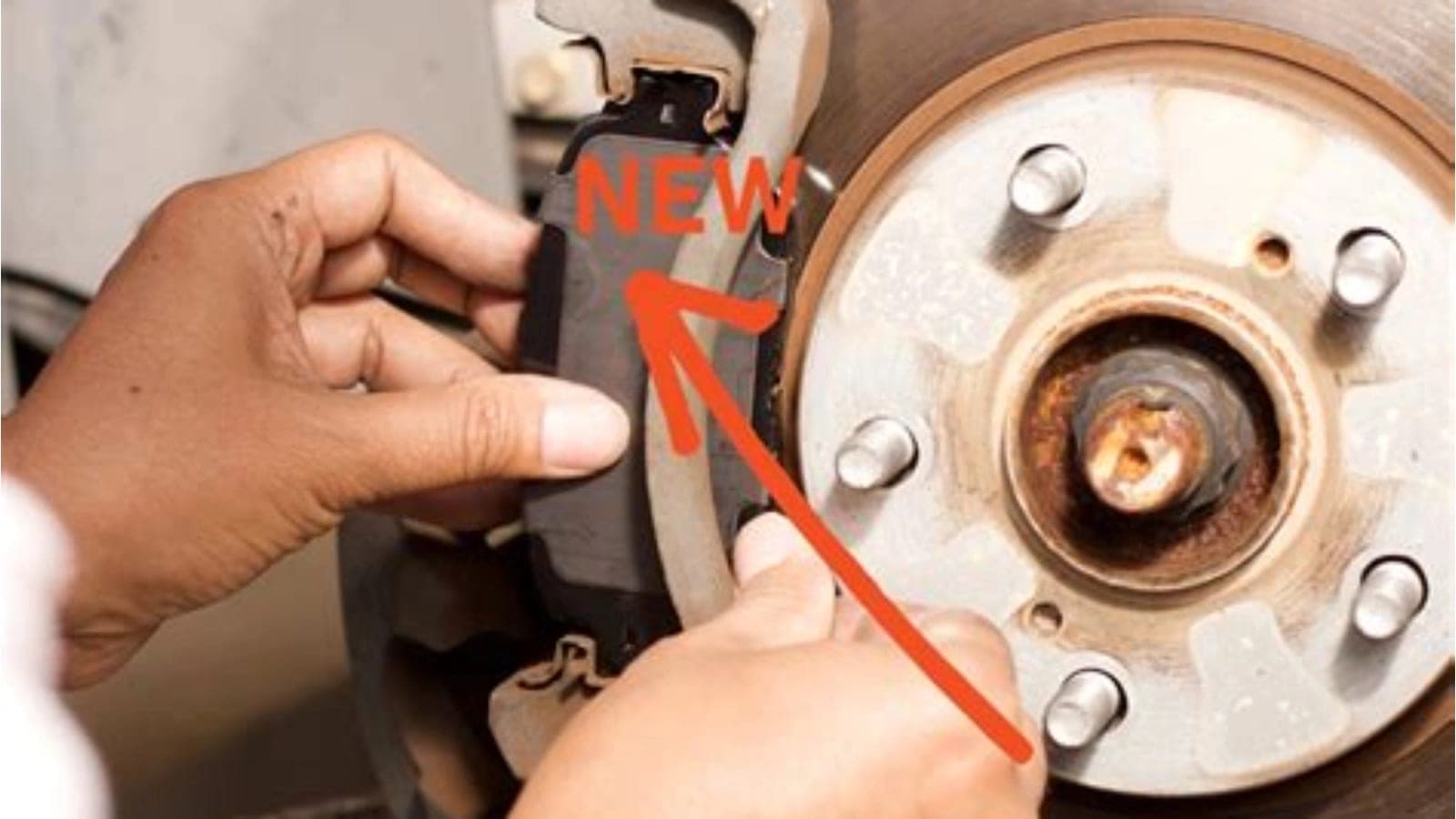
- Brake pad replacement cost: $150–$300 per axle according to AAA's 2023 vehicle maintenance cost data — pads and rotors together can exceed $500
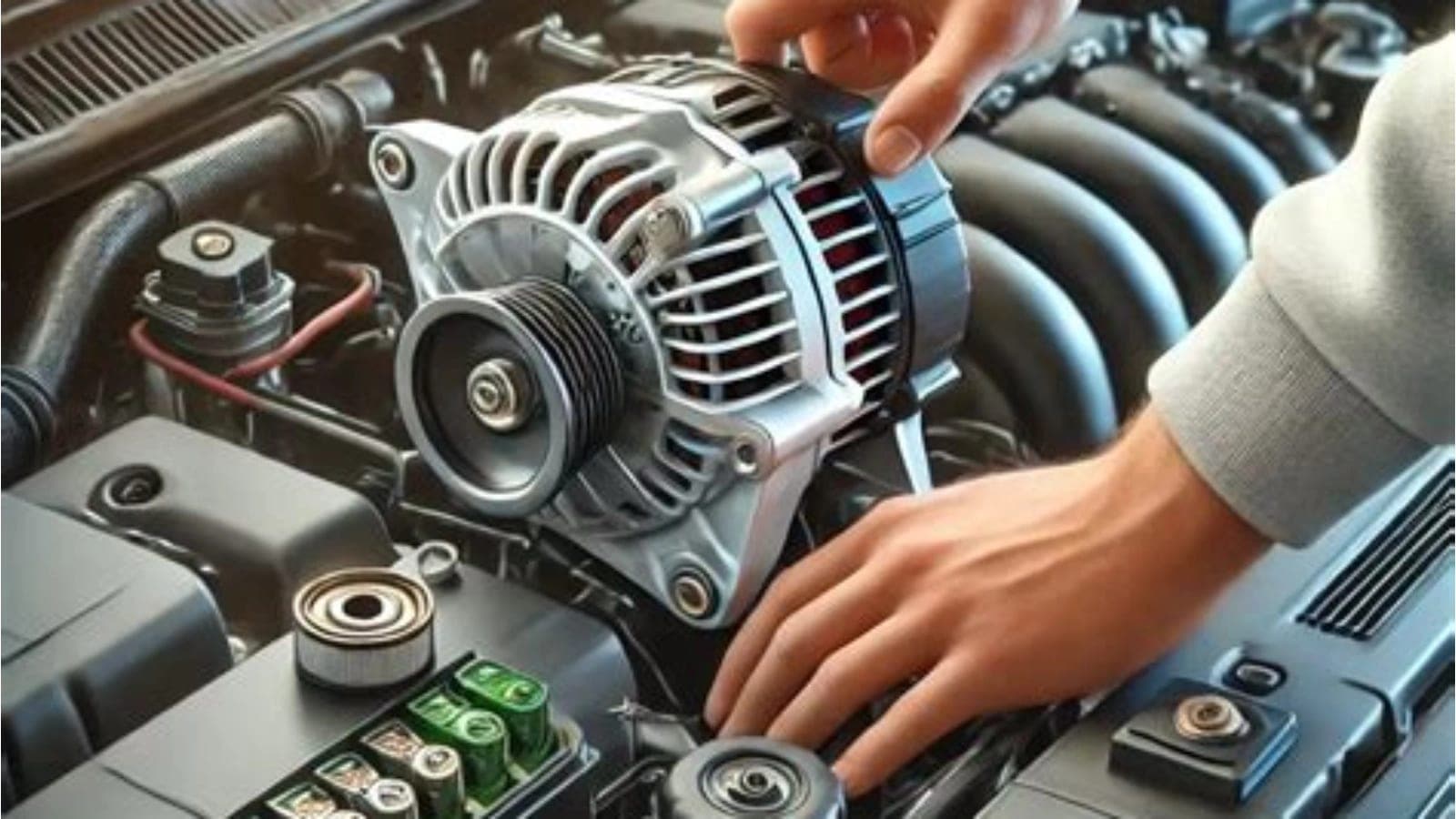
- Alternator replacement cost: $350–$700 at most shops per RepairPal, a repair that a failing belt can cause you to need sooner by overworking the charging system
- Battery replacement: $150–$300 installed for a standard flooded lead-acid; AGM batteries for start-stop vehicles run $200–$400 according to AAA
- Wheel bearing replacement cost: $300–$600 per wheel per RepairPal's 2024 national data, significantly more expensive than a belt but less urgent unless you hear grinding
- Catalytic converter replacement cost: $1,000–$2,500+ per CARB-compliant unit according to the Bureau of Automotive Repair in California — this is the one that ruins your day
A serpentine belt is the cheapest item on that list. It's also one of the most consequential if ignored, because the belt drives the alternator (dead battery and electrical failure), the water pump on many engines (overheating and potential head gasket damage), and the power steering pump (you suddenly discover how hard the steering wheel was in 1968). For buyers evaluating a used car, a worn belt is a negotiation chip, not a deal-breaker.
DIY vs. Shop: The Real Math
The serpentine belt is one of the most commonly recommended DIY jobs for a reason — on many vehicles, it genuinely is accessible. But "easy" is relative, and the savings need to justify the risk of doing it wrong. Let's run the numbers honestly.
The DIY case
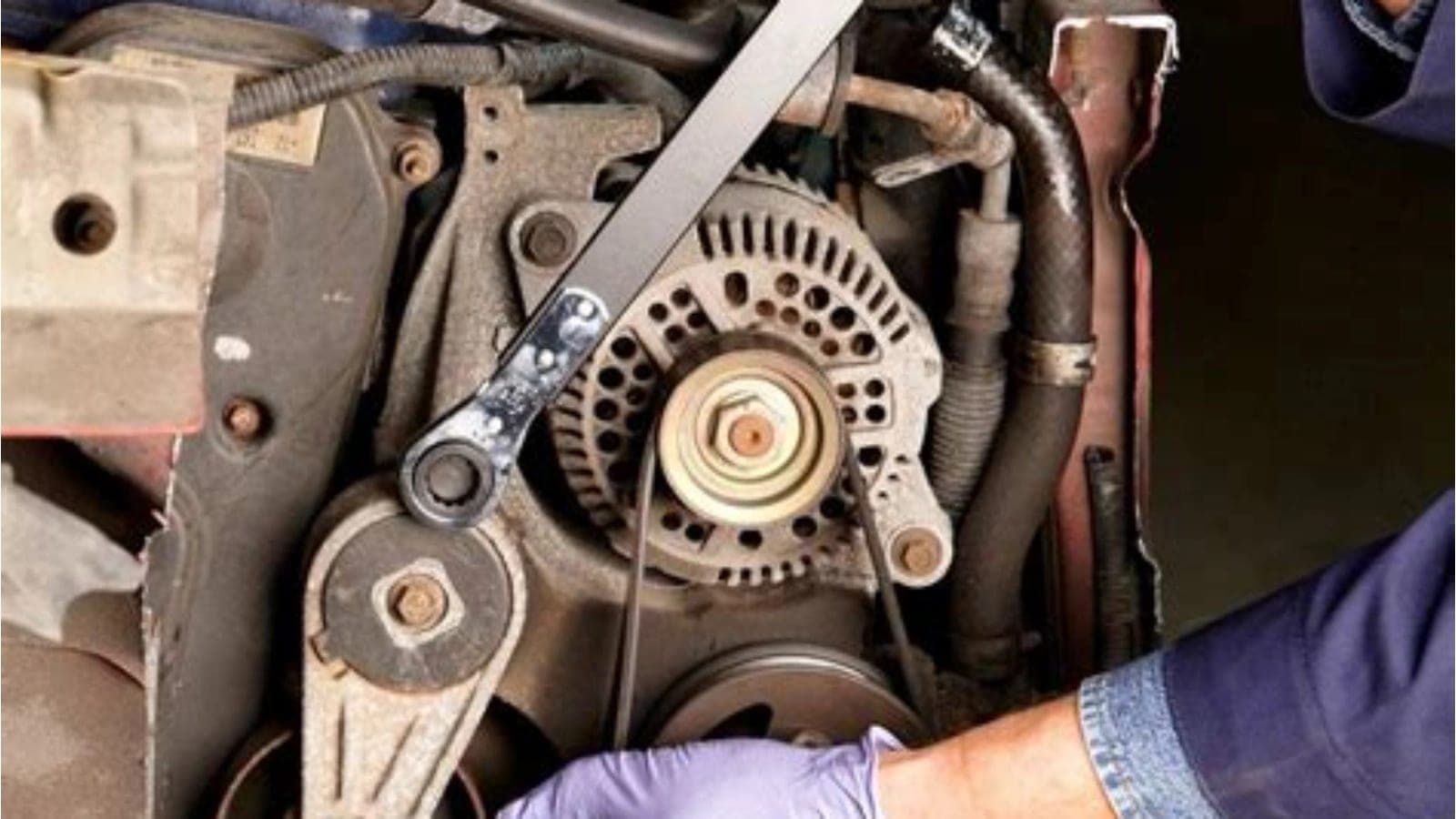
A quality aftermarket belt from Gates, Continental, or Dayco runs $20–$50 at AutoZone, O'Reilly, or RockAuto. A tensioner/pulley kit adds $35–$90. Total parts cost: $55–$140. You'll need a serpentine belt tool (a long-handle wrench or specific socket, about $15–$30 if you don't have one) and 30–90 minutes. If you already own basic hand tools and your vehicle has a straightforward top-access layout — most four-cylinder Hondas, Toyotas, and domestic trucks — this is legitimately a beginner-friendly repair. Photograph the routing before you remove the old belt, or find the routing diagram on the fan shroud or in the owner's manual.
When to let a shop do it
If the belt routes behind engine mounts, through tight packaging, or you're dealing with a stretch-fit belt (common on some newer VW and Audi models that require a special installation tool), pay the labor. A stretch-fit belt installed incorrectly can jump off the pulleys within minutes and damage engine components. Also, if you suspect the water pump is belt-driven and nearing its service interval — typically 60,000–100,000 miles per most manufacturer maintenance schedules — it makes sense to have the shop quote the water pump simultaneously. You're already paying for the labor overlap.
When Does a Serpentine Belt Need Replacing?
Most automakers recommend serpentine belt replacement between 60,000 and 100,000 miles, though some modern EPDM (ethylene propylene diene monomer) belts can last even longer. The old rule of "look for cracks" is less reliable with EPDM compounds — they wear by losing rib material rather than visibly cracking the way older neoprene belts did. Gates recommends using a belt wear gauge (they offer one free to shops) that measures rib depth; when ribs have worn 5% or more of their original depth, the belt is due for replacement regardless of appearance.
- Squealing on startup, especially in cold or damp weather — the belt is slipping on a pulley
- Visible glazing, fraying, or chunks missing from the ribs
- Rib depth wear beyond the manufacturer's specification (measured with a wear gauge)
- Any sign of oil or coolant contamination on the belt surface — this accelerates degradation and can cause sudden failure
If you're buying a used car with 70,000+ miles and no record of belt replacement on the vehicle history report, budget for it. The belt may look fine and still be near the end of its useful life. This is a $100–$250 insurance policy against being stranded.
Buying a Used Car with a Worn Belt: Negotiate, Don't Walk
A worn serpentine belt on a used car is not a structural problem — it's a maintenance item. But it's a useful one at the negotiation table. If a pre-purchase inspection identifies belt wear, squealing, or a weak tensioner, you have documented evidence of near-term maintenance cost. Ask for $150–$300 off the purchase price, or ask the seller to replace it before closing. Dealers often prefer the price reduction because it's simpler for their paperwork.
At a BHPH (Buy Here Pay Here) lot, this is particularly important. These dealers rarely perform preventive maintenance before selling, and the FTC's Buyers Guide (required on every used vehicle sold by a dealer under the Used Car Rule) will almost always say "As-Is / No Dealer Warranty" unless a service contract is offered. That means a belt that snaps three weeks after purchase is your problem. A quick VIN check and maintenance records review before you buy can reveal whether the belt and related components have been serviced.
Don't ignore a squealing belt at a dealer lot
A squealing serpentine belt during a test drive means the dealer knows about it and chose not to fix a $150 repair before listing the car. Ask yourself what else they skipped. Request a pre-purchase inspection from an independent mechanic before committing.
What Happens When a Serpentine Belt Breaks
The consequences depend on your engine layout, but none of them are fun. When the belt snaps, every accessory it drives stops immediately. Your alternator stops charging the battery — dashboard warning lights illuminate, and you have roughly 15–30 minutes of battery reserve before electronics start failing. Your power steering pump stops, making the wheel extremely difficult to turn. If your water pump is belt-driven (common on many four-cylinder and V6 engines), the engine begins overheating within minutes.
According to AAA's 2023 roadside assistance data, mechanical breakdowns remain the top reason for service calls, accounting for approximately 32 million calls per year. Belt and hose failures are a significant subset. The tow alone costs $75–$150 for the first few miles if you're not an AAA member, and you'll still pay shop rates for the repair on the other end. Replacing a belt proactively for $150 looks a lot better than a $150 tow plus a $250 emergency repair plus a day of missed work.
Dealership vs. Independent Shop vs. DIY: A Direct Comparison
Here's a realistic cost breakdown for a serpentine belt and tensioner replacement on a 2017 Toyota Camry 2.5L — one of the most common vehicles on the road — to give you a concrete comparison.
- Dealership: OEM belt ($55–$75), OEM tensioner ($85–$110), labor 1.0 hour at $150–$180/hr = total $290–$365
- Independent shop: Aftermarket belt ($25–$40), aftermarket tensioner ($45–$70), labor 0.7–1.0 hour at $90–$130/hr = total $160–$240
- DIY: Aftermarket belt ($25–$40), aftermarket tensioner ($45–$70), no labor cost = total $70–$110 plus your time
The independent shop saves you roughly $100–$130 compared to the dealership on this particular car. DIY saves another $90–$130 in labor. For a straightforward engine bay like the Camry's, DIY is genuinely sensible if you have a basic socket set and 45 minutes. For something like an Audi A4 with a stretch-fit belt, the independent shop is the sweet spot — you save over the dealer without risking an incorrect installation.
Should You Bundle Other Maintenance at the Same Time?
If you're already paying shop labor for a belt replacement, consider bundling adjacent maintenance items that share labor overlap. The tensioner and idler pulleys are the obvious add-ons (discussed above), but depending on your vehicle and mileage, there are a few other services worth quoting.
- Water pump: If belt-driven and you're past 80,000 miles, replacing it with the belt saves you from paying labor twice — water pump parts add $50–$150 for aftermarket
- Coolant flush: The cooling system is already accessible during a water pump job, so a coolant flush ($50–$100 at most shops) makes sense as an add-on
- Drive belt idler pulleys: Often sold as a kit with the tensioner for $10–$30 extra — cheap insurance
- A/C compressor clutch inspection: The tech is already looking at the pulleys; ask them to check for bearing play on the A/C clutch while they're there
Bundling doesn't always make financial sense — don't let a shop talk you into replacing a water pump at 40,000 miles just because "we're already in there." But at higher mileage, the labor savings from doing it all at once are real. A water pump replacement quoted standalone might run $400–$700; bundled with a belt job, you may save $100–$200 in overlapping labor.
Red Flags When Getting Quotes
Most belt replacements are honest, straightforward transactions. But a few shop practices should make your eyebrows rise.
- Quoting over $400 for a standard domestic or Japanese vehicle with easy belt access — ask for a breakdown of parts and labor hours, and compare against RepairPal or the manufacturer's flat-rate labor time
- Insisting on OEM-only belts when quality aftermarket brands (Gates, Continental, Dayco) are available — OEM belts are often manufactured by these same companies and rebadged
- Recommending a timing belt replacement at the same time without explaining that the serpentine belt and timing belt are completely separate systems with different replacement intervals — this is either an upsell or the tech is confused, neither of which is great
- Refusing to show you the old belt — a reputable shop will hand you the removed part if you ask
Final Cost Snapshot and What to Expect
For most American-market vehicles — your Camrys, Accords, F-150s, Silverados, Altimas, and CRVs — serpentine belt replacement cost falls squarely in the $100–$250 range at an independent shop, including parts and labor. Add a tensioner for another $40–$120 in parts, and you're still well under $350. European luxury vehicles push $200–$400. DIY brings the total to $25–$110 in parts alone. According to the Bureau of Labor Statistics, the average hourly labor rate at automotive repair shops was $64.40 as of Q1 2024, though many metro-area shops charge $100–$180 per hour.
Compare that to the repairs a broken belt can trigger — alternator replacement cost of $350–$700, engine overheating damage potentially exceeding $2,000, or even a head gasket repair north of $1,500 — and the case for proactive replacement is overwhelming. This is the rare repair where the preventive cost is a fraction of the failure cost, and the job is quick enough that you can usually get it done during a lunch break. If you're buying a used car, check the maintenance records, factor belt condition into your offer, and move on to worrying about the things that actually cost real money.
What to do next
Get two quotes from independent shops in your area, specifying belt plus tensioner replacement. Compare against RepairPal's estimate for your exact year, make, and model. If you're buying a used car, run a VIN check first — service records often reveal whether the belt has already been replaced.
CarCheckerVIN Editorial Team
In-house automotive research team
The CarCheckerVIN editorial team combines decades of automotive industry, dealer, and journalism experience to produce trustworthy buying, selling, and ownership guidance backed by NMVTIS, NICB, and manufacturer data.
Frequently asked questions
- What are the signs of a bad serpentine belt?
- The most common sign is a high-pitched squealing noise on startup or during acceleration, especially in cold or wet conditions. You may also notice visible cracks, fraying, or missing chunks on the belt ribs. Modern EPDM belts often wear by losing rib material rather than cracking visibly, so a belt wear gauge is more reliable than a visual inspection. Dashboard warning lights for the battery or overheating can also indicate the belt is slipping or about to fail.
- Can I drive my car with a bad serpentine belt?
- You can drive briefly with a squealing belt, but driving with a broken belt is extremely risky. Once it snaps, you lose power steering, the alternator stops charging your battery, and on many engines the water pump stops circulating coolant. You'll have roughly 15–30 minutes of battery reserve before electrical systems fail. If the water pump is belt-driven, the engine will overheat within minutes, risking severe damage. Pull over safely and call for a tow.
- Are serpentine belts easy to replace?
- On many vehicles — especially domestic trucks and mainstream Japanese sedans — yes. The job typically requires a basic socket set, a serpentine belt tool or long-handle wrench, and 30–90 minutes. The key is releasing the spring-loaded tensioner to slip the old belt off and routing the new one correctly. Photograph the routing before removal. However, some European models use stretch-fit belts that require a special installation tool and more expertise. Those are better left to a shop.
- How much does it cost to replace a serpentine belt at AutoZone?
- AutoZone doesn't perform belt installations — they sell parts only. A serpentine belt at AutoZone runs $20–$60 depending on your vehicle and brand (Duralast, Gates, Dayco). A tensioner assembly adds $40–$100. If you're doing the job yourself, your total parts cost will be $20–$160. AutoZone does offer free loaner tools at most locations, including serpentine belt tools, which can save you the $15–$30 cost of buying one.
Ready to check a VIN?
Run a free VIN check
Decode any vehicle in under 60 seconds.